Living in an apartment often means limited space, fixed layouts, and restrictions on renovation. Yet it also offers a powerful opportunity to rethink how we decorate and consume. Zero waste home decor is not about perfection or extreme minimalism. It is about making thoughtful choices that reduce waste, support healthier living, and still reflect personal style.

For apartment dwellers, this approach makes even more sense. Smaller spaces magnify clutter and poor material choices. When decor items are chosen with care, apartments feel calmer, easier to maintain, and more meaningful. This guide focuses on realistic, verified practices that help reduce waste while improving both function and aesthetics.
Why zero waste thinking matters in apartment decor
Home decor waste is often invisible. Fast furniture, synthetic textiles, and trend driven accessories quietly contribute to landfill buildup and indoor pollution. According to reports from the United Nations Environment Programme, furniture and household goods form a growing share of urban solid waste, especially in high density housing.
Apartments amplify this issue because items are replaced more often. People move frequently, storage is limited, and disposable decor seems convenient. Zero waste principles address these challenges by prioritising longevity, adaptability, and material safety rather than short term trends.
Understanding zero waste decor in practical terms
Eco friendly home decor ideas do not mean buying nothing. It means choosing items that last longer, serve multiple purposes, and can return safely to nature or circulation at the end of their life.
This approach rests on three practical pillars.
Reduce what enters your space
Before buying anything, evaluate whether it is truly needed. Decorative items that do not serve a purpose often become clutter quickly in apartments.
Also Read: Bathroom decor ideas without renovation that instantly refresh dull spaces
Reducing also includes avoiding materials that age poorly, such as low quality particle board or plastic based fabrics. Fewer but better items always outperform crowded shelves.
Reuse what already exists
Many decor upgrades come from rearranging or repurposing items you already own. Side tables become bedside units. Scarves turn into cushion covers. Glass jars transform into storage or planters.
Reuse preserves resources and adds character that mass produced decor cannot replicate.
Choose materials that age responsibly
When purchases are necessary, focus on low waste home decor materials with proven durability and low environmental impact. Solid wood, metal, glass, clay, and natural fibres consistently perform better over time and are easier to recycle or reuse.
Sustainable home decor for apartments starts with furniture choices
Furniture has the largest environmental footprint in most homes. In apartments, each piece must justify its space and impact.
Opt for long life furniture over fast trends
Solid wood furniture sourced responsibly can last decades. Unlike engineered wood, it can be repaired, refinished, or resized. Certified wood standards from organisations like the Forest Stewardship Council help verify responsible sourcing.
Metal furniture also performs well in apartments because it tolerates frequent moves and resists moisture damage.
Prioritise modular and flexible designs
Modular furniture adapts to changing layouts and life stages. A shelving system that expands vertically or a sofa with removable sections reduces the need for replacement when circumstances change.
This flexibility is essential for renters who cannot modify walls or floors permanently.
Eco friendly home decor ideas that work in small spaces
Decor in apartments must balance visual appeal with functionality. Eco friendly choices excel here because they often emphasise simplicity and material honesty.

Natural textiles improve comfort and air quality
Choose curtains, cushions, and rugs made from cotton, linen, wool, or jute. These materials regulate temperature better than synthetics and release fewer airborne pollutants indoors.
Research from indoor air quality studies consistently shows that synthetic textiles contribute to volatile organic compound emissions, especially in small enclosed spaces.
Lighting that saves energy and lasts longer
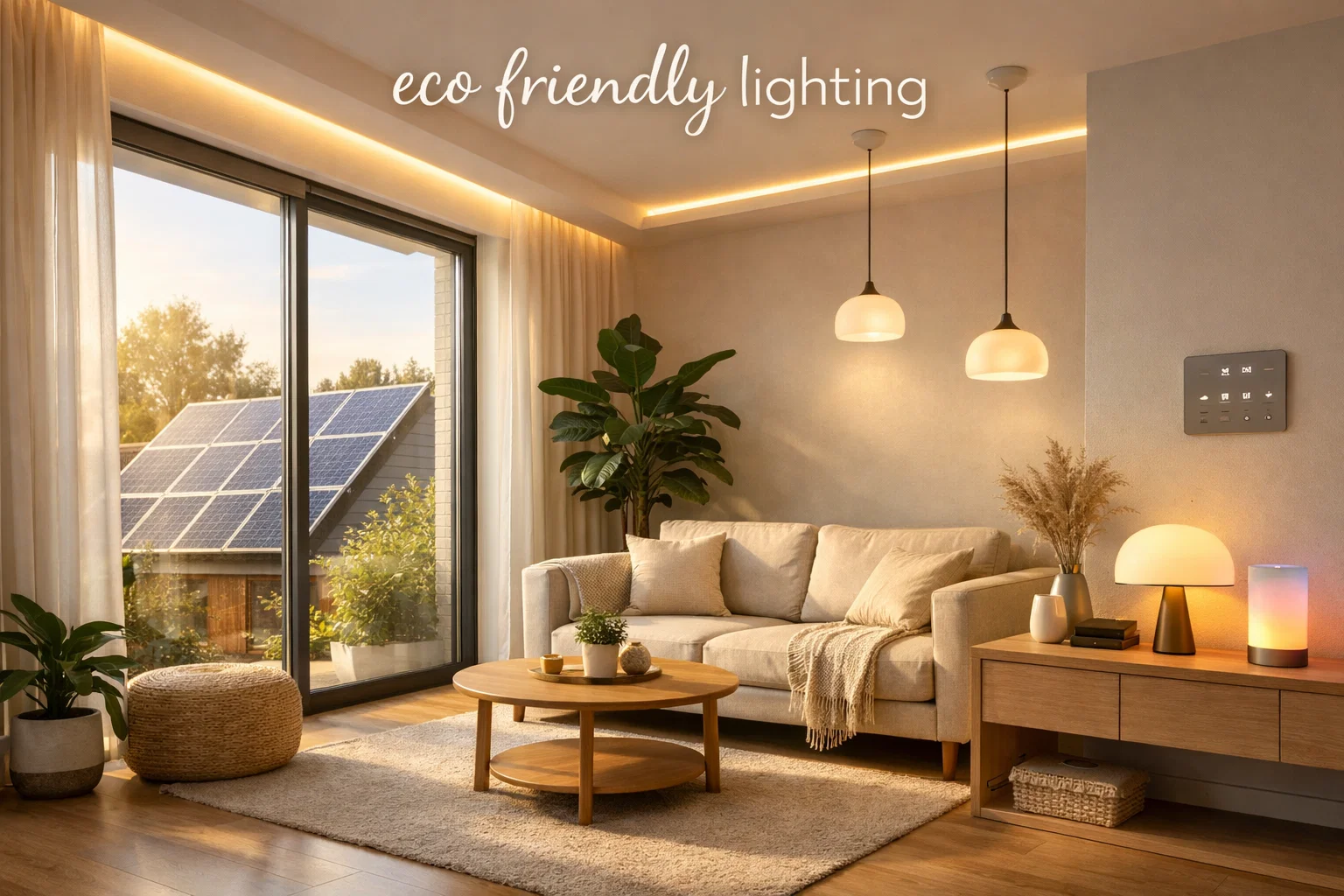
Energy efficient lighting reduces waste and utility costs. LED bulbs last significantly longer than traditional options and consume less electricity. Pair them with timeless fixtures made from metal or glass rather than plastic.
Avoid decorative lighting designed solely for trends, as these often fail quickly and cannot be repaired.
Low waste home decor through mindful accessories
Accessories shape the personality of a home, yet they are also the most disposable category.

Choose decor with function
A mirror enhances light and space while serving a daily purpose. A ceramic bowl can store keys and act as a design element. Functional decor stays relevant longer and avoids waste.
Support craftsmanship and local makers
Handcrafted items typically use fewer synthetic materials and follow slower production cycles. Supporting local artisans also reduces transport related emissions and preserves traditional skills.
Verified craft councils and cooperatives provide transparency around materials and labour practices.
Minimalist apartment decor as a waste reduction strategy
Minimalism is not about empty rooms. It is about clarity and intention.
Fewer items create visual calm
In small apartments, visual noise quickly becomes overwhelming. A minimalist approach limits decorative elements to those with emotional or practical value. This naturally reduces consumption.
Neutral bases allow longevity
Walls, large furniture, and flooring benefit from neutral tones and classic forms. These elements rarely feel outdated and allow small accents to change without full replacements.
This strategy aligns well with rental restrictions, where permanent changes are limited.
How plants support zero waste living indoors
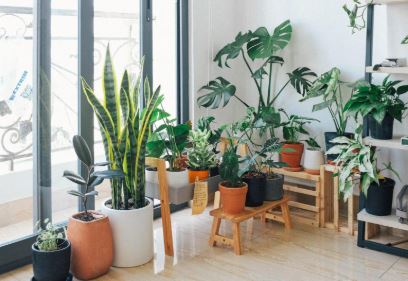
Plants serve multiple purposes in apartments. They improve air quality, regulate humidity, and add life without disposable materials.
Choose species that thrive indoors with minimal maintenance. Terracotta or ceramic pots outperform plastic ones and age gracefully. Compostable plant waste returns nutrients to soil rather than landfill.
Indoor gardening aligns perfectly with zero waste home decor because it replaces synthetic accessories with living elements that evolve naturally.
DIY non toxic decor ideas that are safe and effective
DIY projects reduce waste only when materials are chosen carefully. Avoid synthetic paints, solvent based adhesives, and chemically treated surfaces.

Safe finishes and materials
Natural oils, waxes, and water based finishes provide protection without releasing harmful fumes. Verified environmental labels and safety data sheets help confirm non toxic claims.
Repair instead of replace
Fixing a loose chair leg or refinishing a scratched tabletop extends the life of existing items. Here DIY non toxic decor ideas comes to help. Repair culture is central to low waste living and saves money while reducing resource extraction.
Mid point reflection on zero waste home decor
At the heart of sustainable home decor for apartments lies a shift in mindset rather than a checklist. It encourages apartment residents to value durability, health, and adaptability over novelty. This approach transforms small spaces into efficient, expressive homes without constant buying or discarding.
Storage solutions that reduce clutter and waste
Smart storage prevents unnecessary purchases by making existing items visible and accessible.
Use open shelving for frequently used objects and closed storage for seasonal items. Natural baskets made from cane or seagrass provide breathability and biodegradability.
Avoid single use organisers designed for specific products. Universal storage adapts as needs change.
Maintaining a low waste apartment over time
Sustainability is not a one time project. Regular habits matter.
To maintain zero waste home decor, evaluate new purchases carefully, borrow or rent decor items for short term needs, and donate responsibly through verified reuse channels when items are no longer needed.
Periodic decluttering helps prevent accumulation and highlights what truly adds value.
Real world benefits beyond sustainability
Zero waste decor choices often improve daily life in measurable ways. Indoor air quality improves with fewer synthetic materials. Cleaning becomes easier with less clutter. Financial savings accumulate when replacements slow down.
Studies from environmental health research consistently link material choices with wellbeing, especially in compact living environments.
Conclusion
Adopting zero waste home decor in an apartment is not about restriction. It is about freedom from clutter, waste, and constant replacement. By focusing on durability, safe materials, and thoughtful design, apartment dwellers can create spaces that are healthier, calmer, and more resilient.
This approach respects both the limits of apartment living and the broader environmental responsibility we all share. When every item has purpose and longevity, sustainability becomes a natural part of daily life rather than an extra effort.
Also Read: Peel and stick wallpaper ideas for rentals that actually look stylish and landlord-safe
Sources and references
The information in this article is based on research, guidelines, and publicly available data from the following authoritative organisations.
United Nations Environment Programme
Used for global insights on household waste generation, sustainable consumption patterns, and the environmental impact of furniture and home goods.
Environmental Protection Agency
Referenced for material safety standards, indoor air quality research, and data on emissions from household products and furnishings.
Forest Stewardship Council
Consulted for verified standards related to responsible wood sourcing, sustainable forestry, and long life furniture materials.
World Green Building Council
Used for research on healthy building materials, indoor environmental quality, and sustainability practices in residential spaces.
International Energy Agency
Referenced for data on energy efficient lighting, long term performance of LED technologies, and reduced household energy consumption.
Harvard T H Chan School of Public Health
Used for studies and insights on indoor pollutants, synthetic materials, and their impact on human health in enclosed living spaces.
Ellen MacArthur Foundation
Consulted for circular economy principles, reuse models, and waste reduction strategies relevant to home decor and consumer products.
FAQs
1. How can I make sustainable home decor for apartments look stylish and functional?
By focusing on multifunctional items and modular furniture, small apartments can remain practical and visually appealing. Using natural textiles, neutral tones, and eco friendly home decor ideas like reclaimed wood or handmade accessories creates a balanced, sustainable environment without clutter.
2. What are some low waste home decor strategies for renters?
Renters can adopt low waste home decor by prioritising temporary and movable solutions, such as modular shelving, portable rugs, and lightweight storage. Repurposing or upcycling existing furniture also reduces waste while keeping the space adaptable and personalised.
3. How can DIY non toxic decor ideas improve indoor air quality?
DIY non toxic decor ideas, such as using water-based paints, natural oils, or beeswax finishes, minimise chemical emissions indoors. Pairing these materials with indoor plants and natural textiles further enhances air quality while keeping your apartment safe and sustainable.
4. Are there eco friendly home decor ideas that also save space in small apartments?
Yes. Eco friendly home decor ideas like foldable furniture, stackable storage, and multifunctional accessories optimise space. Combining these with compact indoor greenery or vertical shelving allows apartments to feel open, organised, and environmentally conscious.
5. How can low waste home decor practices support a repair culture at home?
Low waste home decor encourages repairing and repurposing furniture rather than replacing it. Techniques like refinishing wood, sewing cushion covers, or refurbishing old decor reduce waste, extend product lifespan, and align with sustainable living principles in apartments.