Working from home has become a long-term reality for many people across the world. While the flexibility is welcome, creating a functional workspace inside a small apartment can feel challenging. Limited square footage, shared rooms, and the absence of dedicated office areas often lead to discomfort and reduced productivity. This is where well planned home office setup ideas become essential. With thoughtful design, smart furniture choices, and intentional zoning, even the smallest apartment can support a comfortable and efficient work environment without feeling cramped or chaotic.
Why small apartment workspaces need a different approach
Space limitations change design priorities
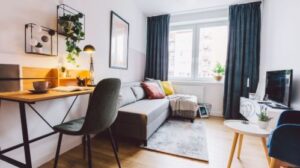
Small apartments require efficiency rather than excess. Unlike larger homes, there is little room for oversized desks, bulky chairs, or permanent partitions. Research from urban housing studies shows that multifunctional spaces perform better when layouts remain flexible. Effective workspaces in compact homes focus on vertical storage, minimal furniture, and adaptable layouts that support both work and daily living.
Productivity depends on environment
Environmental psychology research consistently shows that lighting, posture, and visual order directly affect concentration and mental clarity. A poorly planned work corner can increase fatigue and stress. By applying proven design principles, residents can improve focus and comfort without expanding physical space.
Understanding the basics of working in limited square footage
Defining purpose before placement
Before choosing furniture or accessories, it is important to define how the workspace will be used. Will it support long hours, frequent video calls, or occasional laptop work. Clear intent prevents unnecessary purchases and supports better layout decisions. This step is foundational for small apartment home office ideas because it aligns design with actual needs rather than assumptions.
Zoning without construction
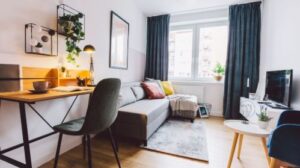
In compact homes, zoning replaces separate rooms. A workspace can exist within a bedroom, living room, or even a hallway. Visual cues such as rugs, lighting changes, or shelving help define boundaries without permanent changes. Interior design research confirms that visual separation improves mental focus even when physical separation is not possible.
Choosing the right location inside a small apartment
Using underutilized corners
Corners often go unused in small apartments. A narrow desk, floating shelf, or wall mounted surface can convert these areas into productive zones. This approach supports home office ideas for small spaces by maximizing square footage without interfering with movement or comfort.
Window adjacent work areas
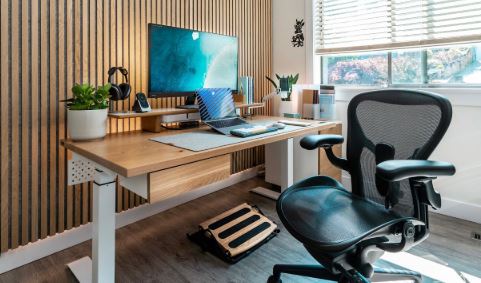
Placing a workspace near natural light improves mood and reduces eye strain. Studies from health and building research institutions show that daylight exposure enhances productivity and sleep patterns. When possible, positioning the desk near a window creates a more energizing and comfortable work environment.
Furniture that supports efficiency and comfort
Compact desks with purpose
A desk does not need to be large to be effective. Slim desks, wall mounted tables, or fold down surfaces provide enough space for laptops and notebooks while keeping rooms open. These solutions are central to compact home office ideas because they balance usability with space conservation.
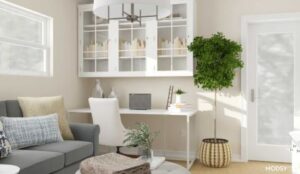
Ergonomic seating in small formats
Comfort matters even in limited space. Ergonomic chairs now come in smaller profiles designed for apartments. Research from occupational health organizations emphasizes that proper seating reduces long term strain and improves productivity. Choosing a chair that fits both the body and the room is more important than size alone.
Vertical storage as a space saving strategy
Shelving over floor storage
Vertical storage frees up floor space while keeping essentials accessible. Floating shelves, pegboards, and wall mounted cabinets provide storage without crowding the room. These tools are widely recommended in architectural studies focused on compact living.
Keeping visual clutter under control
Too many visible items can overwhelm small spaces. Closed storage options help maintain a calm visual environment. This supports focus and aligns with proven principles of cognitive load reduction.
Lighting strategies for small workspaces
Layered lighting for flexibility
Relying on a single overhead light often creates shadows and discomfort. Layered lighting using task lamps and ambient light improves visibility and reduces eye strain. Energy efficiency research highlights the benefits of LED task lighting for home offices.
Adjusting lighting for different tasks
Different work tasks require different light levels. Adjustable lamps allow users to adapt lighting without changing the layout. This flexibility is especially valuable in a small home office setup where one area serves multiple functions.
Technology placement and cable management
Minimizing visual distractions
Exposed cables and devices can quickly make a workspace feel messy. Simple cable organizers and concealed power strips help maintain order. Studies on workspace organization link reduced visual clutter to improved focus and task completion.
Choosing wireless solutions where possible
Wireless keyboards, mice, and chargers reduce cable volume. This small change supports home office ideas for small spaces by simplifying the visual environment and improving usability.
Sound management in shared apartments
Reducing noise without renovation
Noise is a common challenge in apartments. Soft furnishings such as curtains, rugs, and upholstered furniture absorb sound and reduce echo. Acoustic research supports the effectiveness of soft materials in controlling ambient noise.
Creating psychological quiet zones
Even when noise cannot be eliminated, consistent routines and visual separation help signal work mode to the brain. This mental boundary supports concentration and reduces stress.
Storage solutions that support daily workflow
Prioritizing frequently used items
Storage should reflect daily habits. Items used every day should remain within arm’s reach, while occasional tools can be stored higher or farther away. This workflow based approach improves efficiency and reduces unnecessary movement.
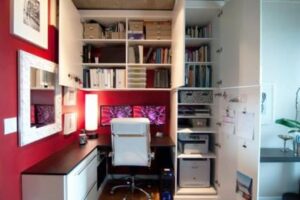
Avoiding over storage
Too much storage encourages clutter. Minimalism research suggests that limiting possessions improves clarity and reduces decision fatigue. This principle is especially useful for small apartment workspaces.
Making shared spaces work double duty
Living room work zones
Many apartments require workspaces inside living rooms. Choosing furniture that blends with existing decor helps maintain balance. A desk that matches shelving or seating prevents the area from feeling temporary or intrusive.
Bedroom based workspaces
When working in bedrooms, visual separation becomes essential. Screens, shelving, or even curtain dividers help maintain rest and work boundaries. Sleep research emphasizes the importance of separating work cues from rest environments whenever possible.
Personalization without overcrowding
Adding character thoughtfully
Personal touches improve comfort and motivation. A plant, artwork, or framed photo adds warmth without clutter. Biophilic design research supports the inclusion of natural elements to reduce stress and improve well being.
Keeping surfaces clear
Decor should not interfere with function. Limiting surface items ensures that the workspace remains practical and easy to maintain.
Adapting layouts over time
Reviewing what works and what does not
Also Read: Sustainable home decor and the future of stylish responsible living
Work needs evolve. Regularly reassessing layout and storage helps maintain efficiency. Flexibility is a key advantage of small apartment setups when furniture and storage remain adaptable.
Planning for future changes
Choosing modular furniture and neutral designs allows the workspace to adapt to new roles or locations. This long term thinking improves value and reduces waste.
Home office setup ideas that support balance and productivity
When thoughtfully designed, even the smallest apartment can support focused, comfortable work. Home office setup ideas that emphasize flexibility, ergonomics, and visual order allow residents to maintain productivity without sacrificing living space. By combining smart furniture choices, vertical storage, and intentional zoning, compact homes can feel organized and supportive rather than restrictive.
Conclusion
Creating a functional workspace in a small apartment does not require major renovations or excessive spending. With careful planning and attention to ergonomics, lighting, and layout, home office setup ideas can transform limited square footage into an efficient and comfortable work environment. By prioritizing flexibility, minimizing clutter, and adapting spaces over time, residents can build work areas that support both productivity and daily life without compromise.
Sources and references
United States Environmental Protection Agency indoor environment studies
National Institute for Occupational Safety and Health ergonomic research
American Psychological Association environmental psychology resources
US Department of Energy lighting efficiency guidance
National Institutes of Health workspace health studies
Frequently asked questions
How do small apartment home office ideas help improve daily productivity
Small apartment home office ideas improve productivity by focusing on efficiency, comfort, and organization rather than size. When workspaces use vertical storage, proper lighting, and clear zoning, they reduce distractions and support consistent routines. This approach helps maintain focus even in shared or multifunctional rooms. A well planned compact workspace also minimizes physical strain by promoting better posture and lighting, which supports longer periods of comfortable work without fatigue.
What makes home office ideas for small spaces different from traditional setups
Home office ideas for small spaces prioritize adaptability and minimal footprint. Instead of permanent furniture, they rely on multifunctional desks, wall mounted storage, and flexible layouts. These setups respect limited square footage while still supporting productivity. The goal is to integrate work into daily living areas without overwhelming them, allowing spaces to shift easily between work and personal use.
How can a small home office setup fit into a shared living area
A small home office setup fits into shared spaces by using visual boundaries rather than walls. Rugs, shelving, or lighting changes help define the work zone. Furniture that matches the surrounding decor prevents the workspace from feeling out of place. This integration allows the area to function professionally during work hours while blending into the home environment afterward.
Why are compact home office ideas suitable for renters
Compact home office ideas work well for renters because they avoid permanent changes. Freestanding furniture, removable shelving, and portable storage solutions allow flexibility without damaging walls. These setups can be moved or adjusted easily, making them ideal for temporary living situations while still supporting consistent work routines.
How does storage planning affect small apartment workspaces
Thoughtful storage planning prevents clutter and improves workflow. By prioritizing frequently used items and limiting excess supplies, workspaces remain visually calm and functional. Storage that aligns with daily habits reduces time spent searching for tools and supports sustained focus throughout the day.
Can lighting improve comfort in limited work areas
Proper lighting significantly improves comfort in small work areas. Task lighting reduces eye strain, while ambient lighting softens the space. Adjustable lamps allow users to adapt lighting to different tasks without changing layout, making them ideal for compact environments.
How do compact home office ideas support long term flexibility
Compact home office ideas support flexibility by using modular furniture and neutral designs. These choices allow workspaces to evolve as needs change. Whether relocating, changing roles, or adjusting schedules, adaptable setups maintain usefulness without requiring complete redesigns.