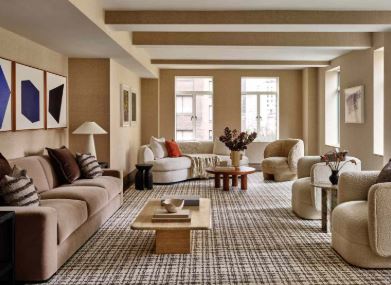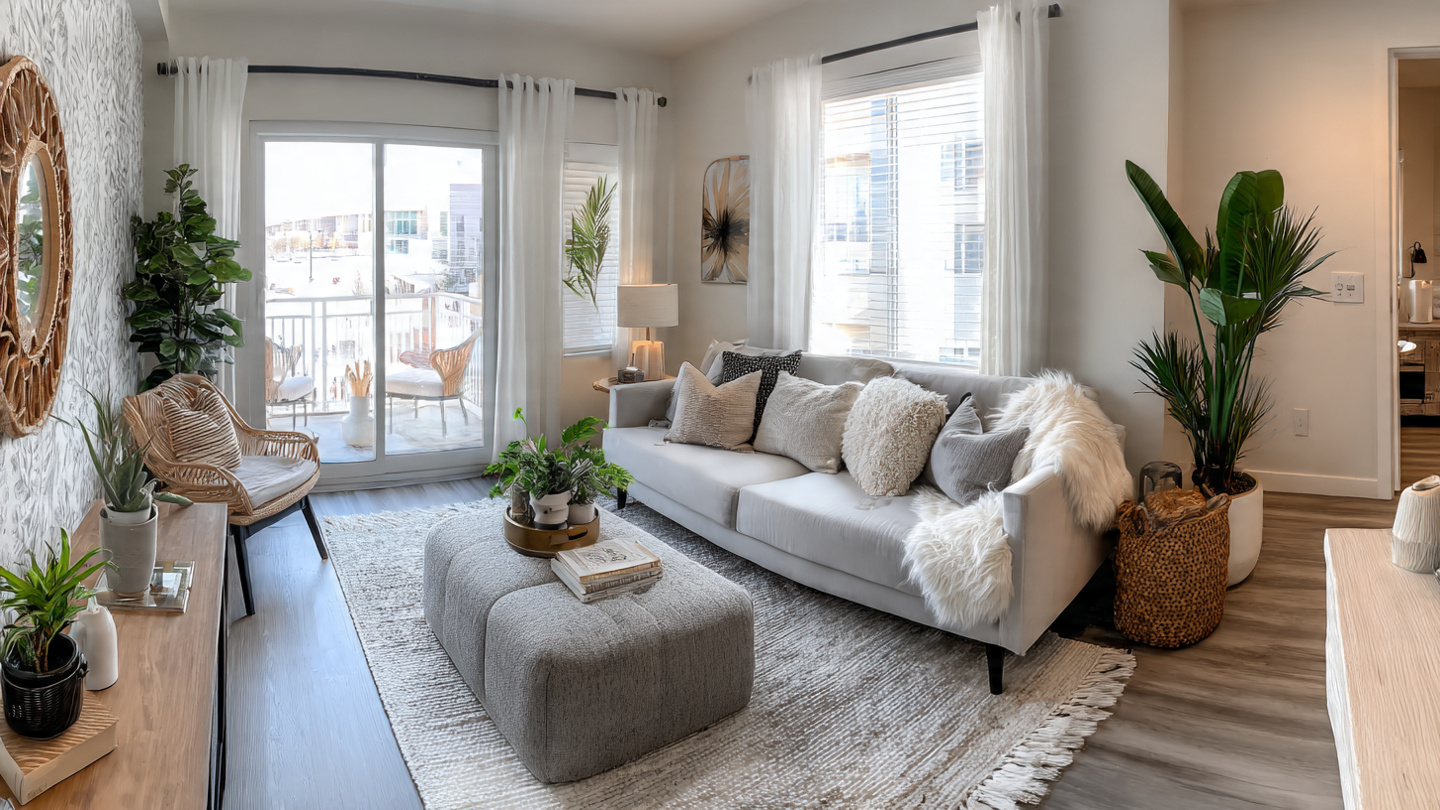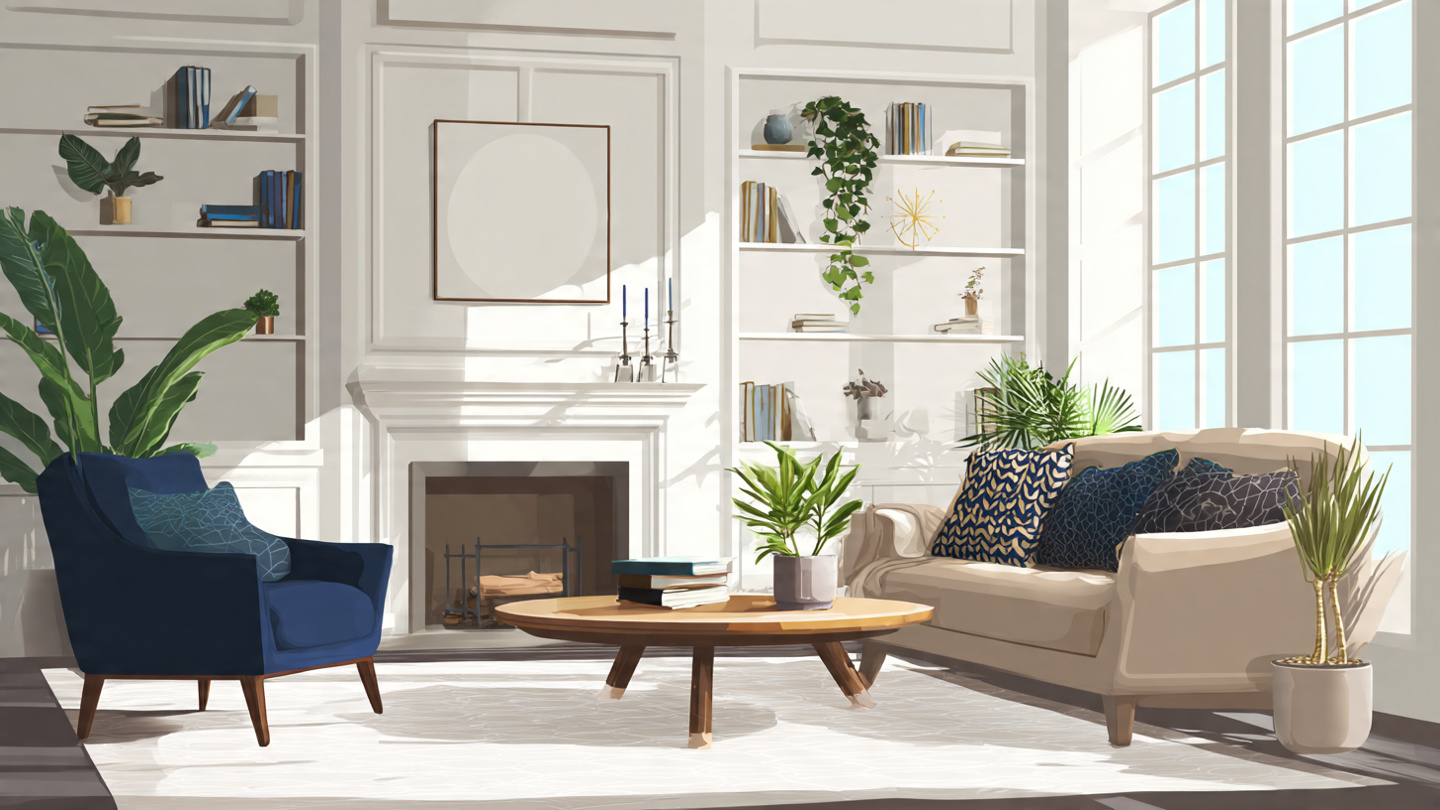
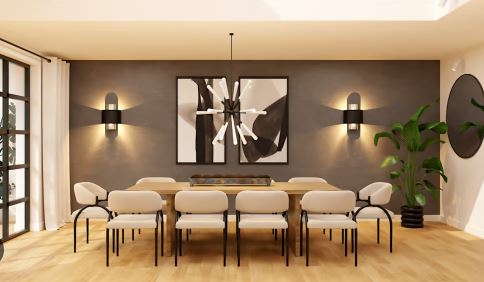
Creating visual impact on a wall does not always require opening a paint can or committing to a permanent colour choice. Many homeowners renters and interior design enthusiasts now look for creative ways to add depth warmth and personality without using paint at all. Accent wall ideas without paint offer flexibility visual interest and often a more tactile experience than colour alone.
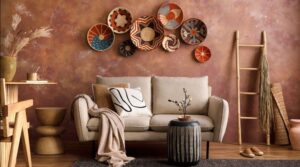
This approach suits people who want change without mess renters who need reversible options and homeowners who prefer texture materials or architectural details over flat colour. From wood and stone to modern panels and fabric solutions these methods rely on form light and material rather than pigment.
This article explores reliable design driven options that interior designers frequently recommend. Every method discussed here is grounded in established interior design principles and supported by insights from respected architectural and design research institutions such as academic design journals and government supported housing studies. The focus stays on practicality longevity and visual harmony rather than trends that fade quickly.
Why choosing a paint free accent wall makes sense
Limitations of traditional paint finishes
Paint has long dominated interior decoration but it comes with limitations. It requires preparation drying time ventilation and often multiple coats. More importantly paint offers visual change but little physical depth.
How material based walls affect perception
Design research published by university led architecture departments highlights that textured and material based surfaces increase perceived spatial richness and comfort. According to studies referenced by the United States Department of Housing and Urban Development, accent wall ideas without paint with material variation influences how people emotionally respond to a space particularly in living and resting areas.
Sustainability and functional benefits
Paint free accent walls also align with sustainable living. Many options use reclaimed wood natural stone or recyclable panels which reduces environmental impact compared to repeated repainting.
From a functional perspective these walls can improve acoustics hide surface imperfections and add insulation depending on the material chosen.
Understanding how texture replaces colour
The visual psychology of textured surfaces
Colour attracts attention but texture holds it. Texture interacts with light creating shadows highlights and movement across a surface. This is why textured surfaces often feel warmer and more inviting even in neutral tones.
Also Read: Eco-friendly home decor ideas that save money without sacrificing style
Why texture creates deeper engagement
Interior design research from institutions such as the Royal Institute of British Architects explains that texture adds a sensory layer that colour alone cannot achieve. It engages both sight and touch making a room feel more complete.
Key design elements to balance
When planning an accent wall without paint focus on three elements material scale and lighting. The right balance ensures the wall stands out without overwhelming the room.
Textured wall panel ideas for instant depth
Materials commonly used in wall panels
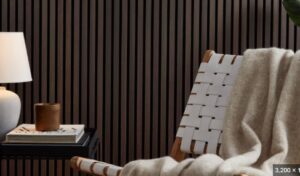
Textured wall panel ideas remain one of the most accessible solutions for adding character without paint. These panels come in materials such as fibre gypsum MDF and eco friendly composites. They are designed to be installed directly onto existing walls.
Best rooms for textured panels
Panels work especially well in living rooms dining areas and bedrooms where subtle depth enhances comfort. Patterns range from soft wave designs to geometric reliefs that catch light differently throughout the day.
Acoustic and spatial advantages
Research from The Spruce and building material science departments shows that three dimensional surfaces improve sound diffusion which makes these panels useful in media rooms or apartments with shared walls.
When selecting panels consider room size. Larger patterns suit spacious areas while finer textures work better in compact rooms. Proper lighting such as wall washers or directional lamps enhances the effect dramatically.
Wood accent wall ideas no paint for warmth and balance
Emotional and psychological impact of wood
Wood has a natural ability to make interiors feel grounded and calm. Wood accent wall ideas no paint rely on the natural grain tone and texture of timber rather than surface coatings.
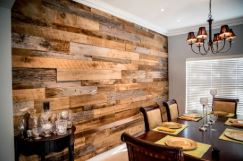
Design studies from forestry and sustainable materials institutes show that visible wood surfaces can reduce stress and improve perceived indoor comfort. This makes wood ideal for bedrooms home offices and relaxation spaces.
Installation styles and formats
Options include vertical slats reclaimed planks plywood panels or engineered wood systems. Installation methods range from adhesive mounting to rail systems that allow future removal.
Maintaining visual harmony
The key is consistency. Match the wood tone with existing furniture or flooring to avoid visual conflict. Natural finishes such as oil or wax protect the surface without altering its colour.
Stone veneer accent wall ideas inspired by nature
Why stone creates architectural presence
Stone veneer accent wall ideas bring the outdoors inside using thin slices of natural or manufactured stone. These veneers weigh far less than solid stone while offering the same visual richness.
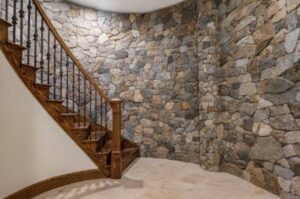
Geological and architectural research institutions note that stone surfaces contribute to a sense of permanence and stability in interior environments. This psychological effect explains why stone is often used in entryways fireplaces and feature walls.
Design styles that suit stone veneers
Stone veneer suits both modern and rustic interiors depending on the cut and layout. Stacked stone creates drama while smoother panels offer a refined look.
Lighting considerations for stone walls
Because stone reflects light unevenly it works best for accent wall ideas without paint with controlled lighting. Soft indirect illumination prevents harsh shadows and highlights the natural texture.
3D wall panels accent wall solutions for modern spaces
What makes 3D panels distinctive
3D wall panels accent wall designs focus on sculptural surfaces that turn walls into visual features. These panels are often made from plant fibre gypsum or recycled materials and come in modular designs.
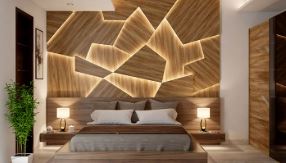
Acoustic and functional performance
Research published in architectural acoustics journals confirms that three dimensional wall systems improve sound quality by breaking up sound waves. This makes them popular in offices studios and open plan living areas.
Installation precision and planning
Modern interiors benefit from clean repetitive patterns that create rhythm without clutter. Neutral colours dominate these panels which allows texture to lead the design.
Installation is usually straightforward but alignment matters. Even small spacing errors become visible once light hits the surface so professional installation is often recommended.
Fabric and textile wall treatments as soft accents
Comfort and sound absorption benefits
Textiles introduce softness that hard materials cannot. Fabric wall panels tapestries and upholstered sections offer sound absorption and comfort.
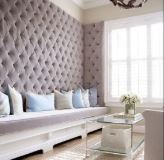
Interior acoustics research from European housing studies shows that textile surfaces significantly reduce echo making them ideal for bedrooms and study areas.
Types of textile wall applications
Options for accent wall ideas without paint include stretched fabric systems removable panels or hanging textiles. Natural fibres such as cotton wool and linen offer breathability and durability.
Maintenance and longevity
Maintenance matters here. Choose materials that resist dust and can be cleaned easily to maintain long term appeal.
Shelving and architectural elements as visual anchors
When structure becomes decoration
Sometimes the accent comes from structure rather than surface. Built in shelves niches or vertical frameworks create natural focal points.
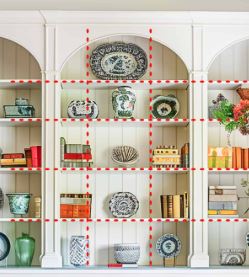
Architectural design research emphasizes that functional elements can double as visual accents when designed intentionally. Shelving filled with books plants or ceramics creates depth and personality.
This approach suits minimal interiors where decoration stays purposeful. It also offers flexibility since items can be rearranged over time.
Ensure balance by limiting the feature to one wall and keeping surrounding surfaces simple.
Lighting as a silent design partner
How lighting enhances texture
No accent wall succeeds without thoughtful lighting. Light reveals texture defines form and sets mood.
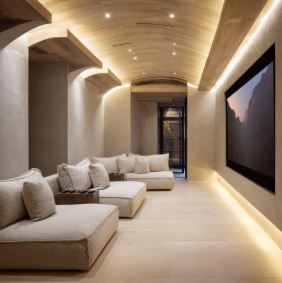
Studies from Architectural digest and lighting design laboratories show that grazing light enhances surface relief while diffuse light softens contrast. Wall mounted lights floor lamps and adjustable spots allow precise control.
Natural versus artificial light
Natural light also plays a role. Observe how sunlight interacts with the wall throughout the day before finalising placement.
Avoid harsh direct lighting which flattens texture rather than enhancing it.
How to choose the right option for your space
Matching materials to room function
Every room has unique needs. Start by identifying the purpose of the space. Rest relaxation focus or entertainment all influence material choice.
Size and scale considerations
Small rooms benefit from subtle textures and vertical elements that draw the eye upward. Larger spaces can handle bolder materials like stone or deep relief panels.
Practical constraints to evaluate
Consider installation permanence. Renters should prioritise removable systems while homeowners can invest in more integrated solutions.
Budget also matters. Many materials offer scalable pricing depending on coverage and quality.
Common mistakes to avoid
Overdesigning the feature wall
Overdesigning is a bad practice in accent wall ideas without paint. Overloading a wall with too many textures creates visual noise. Choose one primary material and let it shine.
Ignoring lighting and preparation
Ignoring lighting leads to flat results even with premium materials. Plan lighting alongside installation.
Mismatched materials disrupt harmony. Always test samples in the actual room lighting before committing.
Skipping surface preparation can compromise installation longevity. Clean level walls ensure better adhesion and alignment.
Sustainability and long term value
Durability as a design principle
Sustainable interior design increasingly prioritises material longevity and low maintenance. Paint free accent walls align with this philosophy.
Natural materials age gracefully developing character over time. Modular panels allow partial replacement rather than full renovation.
Environmental impact and sourcing
Research from environmental building councils confirms that durable materials reduce renovation frequency which lowers overall environmental impact.
Choosing responsibly sourced wood recycled panels or natural stone supports both aesthetics and sustainability.
The future of accent walls beyond paint
Shifting interior design priorities
Design trends point toward sensory rich interiors where texture form and material take precedence over colour trends. As living spaces become more multifunctional tactile surfaces help define zones without physical barriers.
Innovation in materials and systems
Academic forecasts from interior architecture programs suggest increased use of modular textured systems that adapt to changing needs.
Also Read: Zero waste home decor that makes apartment living calmer and cleaner
Technology also influences material innovation with lightweight composites and eco friendly manufacturing expanding available options.
Conclusion
Accent wall ideas without paint offer a thoughtful alternative to traditional decoration by focusing on texture material and light rather than colour alone. They provide depth warmth and individuality while supporting sustainability and flexibility.
Whether through natural wood sculptural panels stone veneers or architectural features these solutions adapt to different lifestyles spaces and budgets. By choosing materials carefully planning lighting and respecting balance any room can gain a distinctive focal point that lasts beyond short lived trends.
When designed with intention a paint free accent wall becomes more than decoration. It becomes part of the architecture of everyday living.
Frequently Asked Questions
Are textured wall panel ideas suitable for small rooms or apartments
Textured wall panel ideas can work very well in small rooms when chosen carefully. Panels with shallow relief patterns or linear designs add depth without making the space feel crowded. Light coloured materials and vertical textures can visually expand walls and increase the sense of height. Many modern panels are lightweight and modular, making them suitable for apartments where structural changes are limited. Proper lighting further enhances texture while keeping the room balanced and open.
How durable are wood accent wall ideas no paint compared to painted walls
Wood accent wall ideas no paint are often more durable than painted surfaces because they resist everyday scuffs and minor impacts better. Natural wood panels or slats age gradually and develop character rather than showing obvious wear. With basic care such as dusting and occasional conditioning, wood walls maintain their appearance for years. They also hide surface imperfections more effectively than paint, making them a long term interior design solution.
Can stone veneer accent wall ideas be installed indoors safely
Stone veneer accent wall ideas are designed specifically for interior use and are safe when installed correctly. Modern veneers are lightweight and engineered to meet interior building standards. They do not place excessive load on walls and can be installed on drywall with proper adhesives. Stone veneer also offers fire resistance and durability, making it suitable for living rooms hallways and fireplace surrounds without compromising indoor safety.
What makes 3D wall panels accent wall designs popular in modern homes
3D wall panels accent wall designs appeal to modern homeowners because they combine visual impact with functional benefits. Their sculptural surfaces create dynamic light and shadow effects that flat walls cannot achieve. Many panels also improve acoustics by diffusing sound, which suits open plan layouts. Made from eco friendly or recycled materials, these panels align with contemporary preferences for sustainability while maintaining a clean architectural look.
Do textured wall panel ideas require special maintenance
Textured wall panel ideas generally require minimal maintenance. Most panels only need regular dusting or gentle wiping with a dry or slightly damp cloth. Materials such as gypsum fibre or composite panels resist moisture and do not peel like paint. Because texture masks small marks and unevenness, panels maintain their appearance longer. Choosing high quality panels ensures colour stability and structural integrity over time.
Are wood accent wall ideas no paint suitable for humid climates
Wood accent wall ideas no paint can work in humid climates when the right materials are selected. Engineered wood or properly treated natural wood performs better than untreated solid timber. Adequate ventilation and controlled indoor humidity help prevent warping. Many interior designers recommend sealed or naturally finished wood that allows breathability while protecting against moisture. With these precautions wood walls remain stable and visually appealing even in challenging conditions.