Creating a well-designed home does not depend on luxury furniture or a large renovation budget. What matters far more is intention, planning, and understanding how space, light, and proportion work together. Budget home decor ideas focus on making informed design choices that deliver long-term comfort and visual harmony rather than short-term trends.
For many households today, especially those living in apartments or compact homes, decorating on a budget is not a preference but a necessity. Data from the United States Census Bureau consistently shows that housing-related expenses form the largest portion of household spending. This makes thoughtful interior decisions critical for financial stability as well as emotional comfort.
Modern interiors, when done right, are naturally budget-friendly. They rely on simplicity, open layouts, and purposeful decor instead of excess. This article breaks down proven strategies to help you create a stylish, modern home using realistic methods grounded in design research, spatial psychology, and practical experience.
What modern home decor actually means today
Modern decor is often misunderstood as cold, minimal, or expensive. In reality, modern design prioritises functionality, balance, and clarity. According to research supported by the National Endowment for the Arts, modern interiors are rooted in efficiency, reduced visual noise, and human-centric design principles.
Clean lines over decorative excess
Modern spaces avoid heavy ornamentation. Furniture and decor items feature clean shapes, smooth finishes, and visual consistency. This simplicity reduces costs while enhancing cohesion.
Function as the foundation of beauty
In modern homes, every object serves a purpose. This philosophy naturally supports modern home decor on a budget because unnecessary purchases are avoided, and each item adds value.
Why planning is the most powerful cost-saving tool
Decorating without a plan often leads to wasted money, overcrowded rooms, and visual confusion. Planning allows homeowners to align design goals with realistic budgets.
Assessing what you already own
Before buying anything new, evaluate existing furniture and decor. Many items can be repurposed, refinished, or repositioned. Research from the Consumer Financial Protection Bureau shows that planned purchasing significantly reduces unnecessary spending.
Designing around movement and light
Modern interiors prioritise flow. Furniture placement should support easy movement and maximise natural light. A well-planned layout often eliminates the need for additional decor.
Choosing colours that visually expand your home
Colour influences mood, perception, and spatial awareness. Studies published in the Journal of Environmental Psychology confirm that light, neutral shades improve perceived spaciousness and reduce visual fatigue.
Neutral palettes as a modern base
Soft whites, warm greys, beige, and muted earth tones create a timeless foundation. These shades allow flexibility and reduce the need for frequent redecorating.
Accent colours with restraint
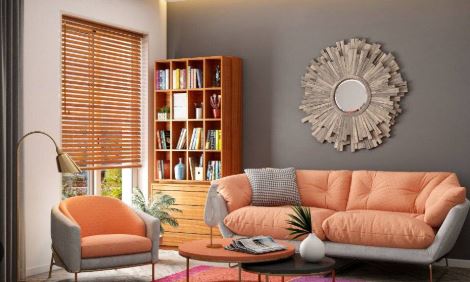
Accent colours should appear sparingly through cushions, throws, or artwork. This approach supports affordable home decor ideas by keeping updates simple and inexpensive.
Furniture decisions that deliver long-term value
Furniture accounts for the largest share of decor budgets, making thoughtful selection essential.
Prioritising timeless shapes
Trendy furniture often dates quickly. Clean-lined sofas, simple tables, and neutral finishes adapt to evolving styles and spaces.
Multifunctional furniture for small homes
According to the Harvard Joint Center for Housing Studies, multifunctional furniture significantly improves usability in compact living spaces. Storage beds, nesting tables, and wall-mounted desks reduce clutter while saving money.
Lighting as a core design element
Lighting shapes how every other design choice is perceived.
Maximising natural light
Uncovered windows, sheer curtains, and reflective surfaces amplify daylight. Mirrors placed opposite windows visually double the available light.
Layered lighting for depth
The US Department of Energy recommends layered lighting for comfort and efficiency. Floor lamps, table lamps, and wall lights create warmth without costly electrical changes.
Textiles that soften and modernise interiors
Textiles add warmth, comfort, and personality.
Texture over pattern
Modern interiors favour texture rather than busy patterns. Cotton, linen, and wool introduce softness while maintaining visual calm.
Seasonal textile rotation
Changing cushion covers or throws seasonally refreshes interiors without large expenses, aligning perfectly with low budget home decoration ideas.
Walls that enhance rather than overwhelm
Walls offer one of the most cost-effective transformation opportunities.
Paint as a design reset
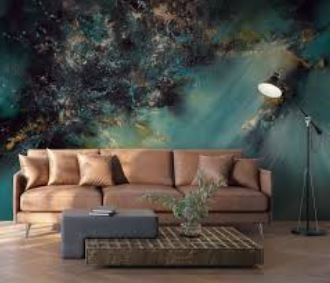
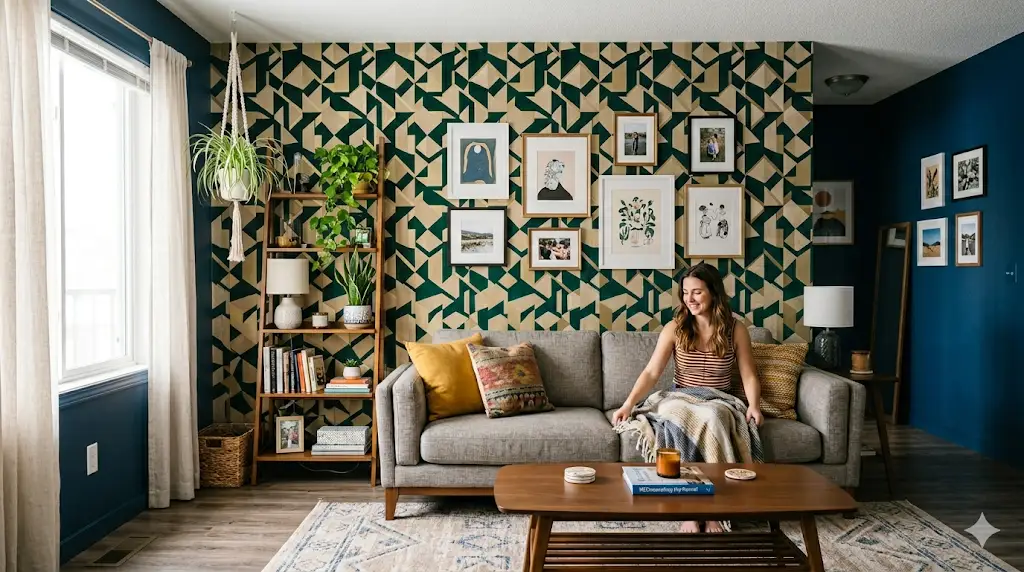
A fresh coat of paint can completely redefine a room. Even a single accent wall, when used thoughtfully, adds depth.
Art that feels personal
Research from the Smithsonian Institution highlights that emotional connection matters more than price in art selection. Simple prints, photography, or line art work beautifully in modern homes.
Accessories with intention and restraint
Accessories should support the space, not dominate it.
Fewer items, stronger impact
A small number of well-chosen accessories creates cohesion and calm. This principle sits at the heart of affordable home decor ideas.
Plants as functional decor
NASA-backed research shows that indoor plants improve air quality and well-being. Even low-maintenance plants elevate interiors instantly.
Making small homes feel larger through design
Space limitations require smarter design, not more decor.
Visual openness over physical size
According to urban housing research, visual continuity increases perceived space more effectively than square footage. Raised furniture legs, wall-mounted storage, and glass elements enhance openness.
Decluttering as a design habit
Regular decluttering maintains clarity and supports the calm aesthetic central to simple modern home decor.
Sustainability as a budget-friendly strategy
Sustainable design often saves money over time.
Investing in durability
The Environmental Protection Agency notes that durable materials and energy-efficient lighting reduce long-term costs and waste.
Avoiding disposable trends
Timeless design reduces the need for frequent updates, protecting both budget and environment.
Conclusion
Designing a modern, comfortable home does not require financial strain. Budget home decor ideas succeed when they prioritise clarity, function, and thoughtful choices over excess. By focusing on light, layout, timeless furniture, and intentional decor, any home can feel modern and welcoming. A well-designed budget home is not just visually appealing but emotionally supportive and financially sustainable.
Sources
United States Census Bureau
Harvard Joint Center for Housing Studies
US Department of Energy
Environmental Protection Agency
National Endowment for the Arts
Smithsonian Institution
Journal of Environmental Psychology
Frequently asked questions
How can modern home decor on a budget still feel personal and warm
Modern home decor on a budget often feels personal when homeowners focus on meaningful details rather than expensive objects. Using warm lighting, layered textiles, and personal artwork adds character without clutter. Neutral foundations allow individual touches to stand out, while natural materials and plants soften modern lines. When decor reflects lifestyle and daily habits, the home feels lived-in and welcoming rather than styled. Warmth comes from balance, not excess, making thoughtful choices more impactful than costly upgrades.
What affordable home decor ideas work best for long-term use
Affordable home decor ideas that last focus on durability, versatility, and timeless design. Neutral furniture, simple silhouettes, and quality materials adapt to changing tastes over time. Accessories such as cushions, rugs, and wall art can change seasonally without replacing core items. Choosing decor that supports daily function ensures it remains useful rather than decorative clutter. Long-term affordability improves when items serve multiple purposes and age gracefully.
Are low budget home decoration ideas suitable for open-plan homes
Low budget home decoration ideas work particularly well in open-plan layouts when zoning is handled thoughtfully. Rugs, lighting, and furniture placement define areas without walls. Consistent colour palettes maintain flow, while varied textures add interest. Open-plan spaces benefit from restraint, as fewer elements prevent visual overload. Functional storage keeps shared areas organised, allowing the home to feel open and cohesive without expensive structural changes.
How does simple modern home decor reduce daily stress
Simple modern home decor reduces stress by limiting visual clutter and supporting predictable routines. Clear surfaces, organised storage, and calm colour schemes create a sense of order. Research in environmental psychology shows that uncluttered spaces improve focus and emotional well-being. When decor supports ease of movement and daily tasks, the home becomes restorative rather than overwhelming, even in smaller living spaces.
Can affordable home decor ideas still support sustainability
Affordable home decor ideas often align naturally with sustainability. Reusing furniture, choosing durable materials, and avoiding fast decor trends reduce waste. Energy-efficient lighting and natural ventilation lower ongoing costs. Sustainability does not require premium pricing; it depends on conscious decisions. Over time, sustainable choices protect both the environment and household finances, making them practical rather than idealistic.
What common mistakes affect modern home decor on a budget
Modern home decor on a budget often suffers when too many trends are followed at once. Overcrowding rooms, buying oversized furniture, or ignoring lighting can undermine design goals. Another common issue is neglecting planning, which leads to mismatched purchases. Successful budget decor relies on patience, measurement, and consistency rather than impulse decisions or visual copying.
How often should affordable home decor ideas be refreshed
Affordable home decor ideas work best when refreshed gradually rather than frequently replaced. Small seasonal updates such as textiles, lighting placement, or accessories maintain freshness without strain. Core furniture and colour palettes should remain stable for several years. This approach prevents fatigue, reduces waste, and allows homeowners to enjoy their space without constant financial or emotional pressure.