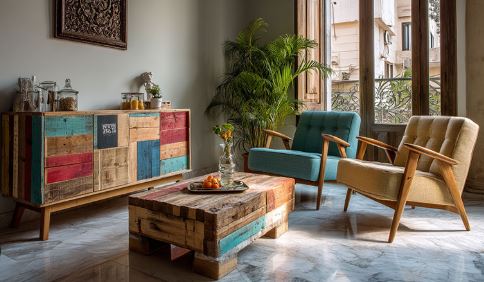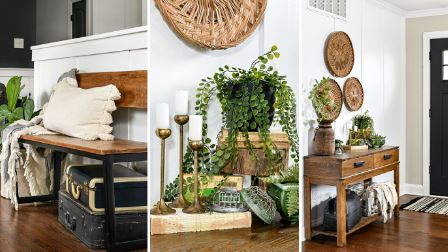
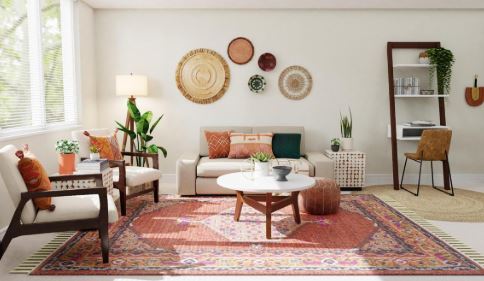
Decorating a home does not have to feel intimidating or expensive. In fact, many of the most inviting interiors come from creativity, patience, and a willingness to work with what you already have. DIY home decor ideas allow people to take control of their space, personalise it deeply, and keep costs realistic. When approached thoughtfully, do it yourself decor blends function, expression, and affordability in ways store bought solutions often cannot.
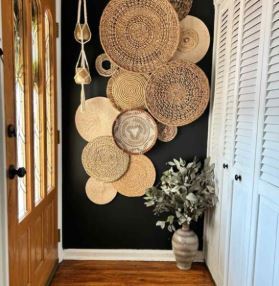
Housing affordability remains a global concern, and reports from government housing agencies consistently show that families spend a significant share of income on housing related expenses. This makes low cost decorating not just a preference but a practical necessity. Creating decor by hand reduces spending, encourages reuse, and builds emotional connection with the home itself.
This article explores structured, research supported methods for decorating your home using practical do it yourself techniques. The focus stays on clarity, safety, usability, and long term value. Every section breaks down ideas that are achievable for beginners and sustainable for everyday living.
Why DIY decor makes sense for modern budget homes
DIY decor is more than a trend. It reflects a shift toward mindful consumption, creativity, and sustainability. Academic studies on consumer behaviour published by government affiliated research bodies show that people who create household items experience higher satisfaction and attachment to their living spaces.
Creativity over consumption
When decor is handmade, the emphasis moves from price to purpose. Instead of buying items to fill space, people design pieces that solve real needs or express personal taste.
Cost control without compromise
Low budget projects often reuse existing materials. This reduces waste while keeping expenses predictable. DIY naturally limits impulse buying, which financial research consistently links to overspending.
Planning before starting any DIY project
A successful DIY approach starts with planning, not tools. Clear planning prevents wasted materials, unfinished projects, and frustration.
Assessing your space realistically
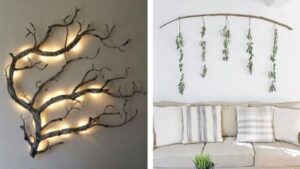
Measure walls, corners, and furniture areas carefully. Understanding proportions ensures projects fit the space and remain functional. Housing design research shows that scale mismatches create visual discomfort even in well decorated homes.
Setting boundaries for time and budget
Decide early how much time and money you can realistically commit. Small, finished projects add more value than large, incomplete ones. This mindset aligns well with low budget DIY home decor that prioritises completion over ambition.
Using paint creatively without major expenses
Paint remains one of the most cost effective tools in home decoration. According to environmental and housing research agencies, repainting offers one of the highest visual impact to cost ratios in interior improvement.
Accent walls and painted shapes
Instead of repainting entire rooms, use accent walls or geometric shapes. This approach adds visual interest while minimising material use.
Refreshing old furniture with paint
Old stools, shelves, and side tables often gain new life with paint. Neutral shades support flexibility, while muted colours keep the look modern.
Wall decor projects using simple materials
Walls provide a large canvas for creativity without affecting functionality.
Framed fabric and paper art
Using fabric scraps, wallpaper samples, or textured paper inside simple frames creates visual rhythm. Museums and educational art institutions note that repetition and balance matter more than cost in wall displays.

DIY shelves and ledges
Simple wooden planks mounted securely offer storage and display space. When styled minimally, they support clean, modern interiors.
Lighting upgrades you can do yourself safely
Lighting dramatically changes how a room feels. Research from energy departments confirms that layered lighting improves comfort and usability.
DIY lampshade makeovers
Updating lampshades with fabric, paint, or textured wraps transforms lighting without electrical changes.
Using string lights strategically
When used sparingly, warm toned string lights add softness and depth. They work best in bedrooms and reading corners.
Textile based projects that add warmth
Textiles bring comfort and softness to any home.
Cushion covers and throws
Sewing or no sew cushion covers from cotton or linen allows seasonal updates at minimal cost. Textile studies show that tactile comfort improves perceived room quality.
Rugs from layered materials
Layering smaller rugs or using fabric remnants creates defined zones, especially in compact homes.
Storage solutions that double as decor
Storage becomes decorative when designed thoughtfully.
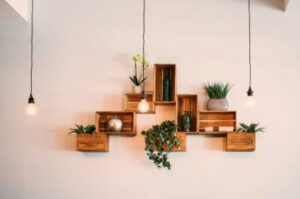
Baskets and crates
Repurposed crates and woven baskets provide storage while adding texture. Keeping materials natural maintains visual balance.
Pegboards and hooks
Wall mounted pegboards organise tools and accessories while freeing floor space. Urban housing research highlights vertical storage as essential for small homes.
Nature inspired DIY decor for healthier homes
Natural elements improve indoor environments.
Indoor plants and handmade planters
Research from government backed environmental studies confirms that indoor plants improve air quality and mental well being. Handmade planters from clay or reused containers support sustainability.
Natural materials and textures
Wood, stone, and natural fibres create calm interiors. These materials age gracefully and require minimal maintenance.
Repurposing everyday items creatively
Repurposing reduces waste and sparks creativity.
Glass jars and containers
Jars become candle holders, organisers, or vases. Their transparency suits modern interiors and reduces visual heaviness.
Old textiles as new decor
Curtains, scarves, and bed linens often find new life as table runners or wall hangings.
Keeping DIY decor cohesive and clutter free
DIY does not mean chaotic. Cohesion matters.
Limiting colour and material palettes
Choosing a small range of colours and materials ensures visual harmony. Design research consistently links limited palettes with calm interiors.
Editing regularly
Remove items that no longer serve a purpose. A curated home feels intentional rather than crowded.
Sustainability and long term value in DIY decor
DIY naturally supports sustainable living.
Reducing waste through reuse
Environmental agencies emphasise reuse as a key strategy in waste reduction. DIY projects extend the life of materials already in circulation.
Designing for durability
Also Read: Kids room decor ideas that turn small apartment spaces into joyful and functional worlds
Choose techniques and materials that last. Long lasting decor reduces future expenses and effort.
Bringing creativity and practicality together
DIY decor thrives when creativity meets realism. Not every idea needs to be complex. Simple projects completed well add more value than ambitious designs left unfinished. DIY home decor ideas succeed because they adapt to personal needs, budgets, and lifestyles rather than imposing fixed standards.
Conclusion
A well decorated home does not depend on expensive purchases or professional designers. DIY home decor ideas empower homeowners to shape spaces that reflect personality, comfort, and practicality without financial strain. By planning carefully, using simple materials, and focusing on function, anyone can build a home that feels thoughtful, warm, and uniquely theirs.
Sources
Environmental Protection Agency
US Department of Energy
National Endowment for the Arts
Journal of Environmental Psychology
Smithsonian Institution
Frequently asked questions
How can low budget DIY home decor still feel intentional and organised
Low budget DIY home decor feels intentional when projects follow a clear plan and limited palette. Choosing a small set of colours and materials helps maintain visual consistency. Handmade items gain impact when spaced thoughtfully rather than grouped randomly. Storage focused projects also reduce clutter, making the home feel calmer. When each piece has a defined role, even simple handmade decor contributes to an organised and polished interior without unnecessary spending.
What cheap DIY home decor ideas work best for small rooms
Cheap DIY home decor ideas work best in small rooms when they prioritise vertical space and light. Wall mounted shelves, mirrors, and fabric wall art draw the eye upward and create openness. Lightweight materials prevent visual heaviness. Projects that combine storage and decor reduce the need for extra furniture. Keeping designs minimal ensures that handmade elements enhance rather than crowd limited space.
Is DIY room decor on a budget suitable for rented homes
DIY room decor on a budget suits rented homes when projects avoid permanent changes. Removable wall art, freestanding shelves, textile upgrades, and lighting accessories allow personalisation without structural alterations. Many handmade decor items travel easily when moving. This flexibility supports creativity while respecting rental agreements and avoiding repair costs later.
How do easy DIY home decoration ideas save money long term
Easy DIY home decoration ideas save money by reducing reliance on disposable decor trends. Handmade items often use durable materials and adapt easily over time. Repairs and updates cost less when you understand how items are made. DIY skills also reduce dependence on paid services for simple home improvements, creating long term financial benefits beyond decor.
Can DIY room decor on a budget still support sustainability
DIY room decor on a budget supports sustainability by encouraging reuse and mindful material selection. Repurposing household items reduces landfill waste. Choosing natural materials lowers environmental impact. Sustainable practices align naturally with DIY methods, making eco conscious living accessible without premium costs.
What mistakes should beginners avoid with cheap DIY home decor ideas
Beginners often struggle when attempting overly complex projects early on. Cheap DIY home decor ideas work best when kept simple and achievable. Skipping planning or measurements leads to wasted materials. Another common mistake is using too many colours or styles at once. Starting small builds confidence and ensures better outcomes.
How often should low budget DIY home decor be updated
Low budget DIY home decor benefits from gradual updates rather than frequent changes. Seasonal refreshes using textiles or small accessories maintain freshness. Core handmade items should remain stable to avoid fatigue. This approach balances creativity with sustainability and prevents unnecessary spending.