Indoor air is easy to ignore because we cannot see it. Yet most people spend close to ninety percent of their time indoors, according to public health research. Cooking fumes, cleaning products, synthetic furniture, and poor ventilation all contribute to indoor air pollution. Over time, this can affect breathing comfort, sleep quality, and overall wellbeing. That is why the interest in indoor plants for air purification continues to grow, not as a trend but as a practical lifestyle choice rooted in research.
This article explores how indoor plants interact with indoor air, what science actually says about their role, and how to choose the right plants for real homes. Instead of exaggerated claims, the focus stays on verified findings, realistic benefits, and practical guidance you can trust.
Why indoor air quality matters more than most people realise
Indoor air can contain pollutants at higher concentrations than outdoor air. Government health agencies have repeatedly highlighted this issue. Common indoor pollutants include volatile organic compounds released from paints, adhesives, cleaning agents, and synthetic fabrics. These compounds linger in closed spaces, especially in homes with limited airflow.
Poor indoor air quality does not always cause immediate symptoms. Instead, it often shows up gradually as headaches, irritated eyes, fatigue, or difficulty concentrating. Over long periods, exposure may worsen respiratory conditions. Improving ventilation remains the most effective solution, but plants offer an additional layer of support that fits naturally into everyday living spaces.
How plants interact with indoor air
Plants influence indoor air through several biological processes. Leaves absorb carbon dioxide during photosynthesis, while roots and surrounding microorganisms help break down certain airborne chemicals. Tiny pores on leaves, called stomata, allow gases to move in and out of the plant system.

Research conducted by space and environmental agencies has shown that plants can absorb specific pollutants under controlled conditions. While real homes are more complex than laboratories, these findings explain why plants are often described as air purifying plants for home environments rather than standalone air filters.
Plants also increase indoor humidity slightly through transpiration. This can make indoor air feel more comfortable, especially in dry climates or air conditioned spaces.
What science actually says about air purification and plants
One of the most cited studies on this topic comes from research conducted by the National Aeronautics and Space Administration and collaborating institutions. The study examined how certain plants removed volatile organic compounds in sealed environments. The results showed measurable reductions in specific pollutants.
Later academic reviews clarified an important point. Plants alone cannot replace mechanical ventilation or air filtration systems. However, they can contribute positively when combined with good airflow and mindful household habits. This balanced interpretation is often missing in oversimplified online content.
When people choose indoor plants for air purification, they are not buying a miracle solution. They are making a small, cumulative improvement that also enhances mental wellbeing and visual comfort.
Indoor plants that remove toxins in everyday homes
Several plants consistently appear in academic and horticultural literature for their ability to interact with common indoor pollutants. These plants are studied not because they are exotic, but because they adapt well to indoor environments.
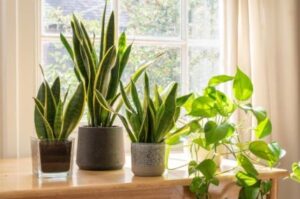
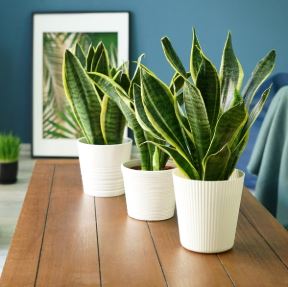
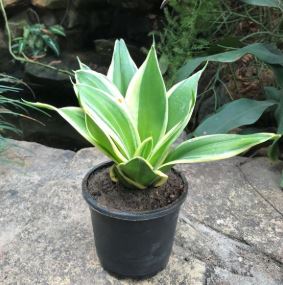
Snake plant is frequently mentioned for its tolerance to low light and irregular watering. It has been studied for its interaction with nitrogen oxides and certain volatile compounds. Spider plant has shown effectiveness in laboratory conditions for absorbing formaldehyde and carbon monoxide.
Peace lily has been examined for its interaction with multiple airborne chemicals while also increasing humidity. Areca palm is known for its large leaf surface area, which supports gas exchange and moisture regulation.
These examples help explain why many lists of best indoor plants for clean air overlap across reputable sources. Consistency across studies adds credibility to these recommendations.
Understanding realistic expectations from air purifying plants
It is important to set realistic expectations. Plants do not clean air instantly, and their effect depends on factors such as room size, number of plants, airflow, and overall pollutant levels. Studies suggest that a meaningful impact requires multiple plants distributed across living spaces.
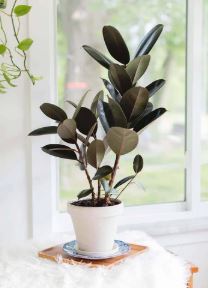
That does not mean their role is insignificant. Indoor plants that remove toxins also contribute indirectly by encouraging people to ventilate, care for their surroundings, and reduce reliance on chemical air fresheners. The psychological benefits of greenery further support stress reduction, which indirectly improves respiratory comfort.
Choosing low maintenance air purifying plants for busy lifestyles
Not everyone has time for daily plant care. Fortunately, many low maintenance air purifying plants thrive with minimal attention. These plants tolerate irregular watering, adapt to artificial lighting, and resist common indoor pests.
Zamioculcas zamiifolia, often called the ZZ plant, survives low light and infrequent watering while maintaining dense foliage. Snake plant remains one of the most forgiving options for beginners. Pothos adapts easily to various lighting conditions and grows steadily without complex care routines.
Choosing plants that suit your lifestyle increases the likelihood that they will stay healthy. Healthy plants interact more effectively with indoor air and provide long term benefits without added stress.
Placement strategies that improve plant effectiveness
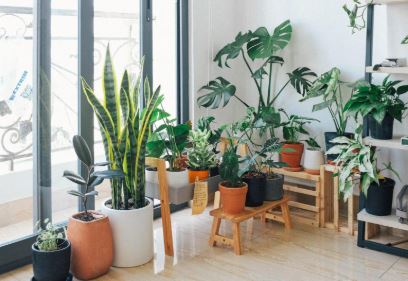
Placement matters more than people realise. Plants perform best when placed where air circulates naturally, such as near windows, doorways, or commonly used areas. Avoid sealing plants into stagnant corners with little airflow.
Grouping plants can improve humidity balance while creating visual cohesion. However, overcrowding reduces airflow around leaves, which limits gas exchange. Aim for balance rather than density.
Kitchens, living rooms, and bedrooms benefit most from thoughtful plant placement because these spaces often contain higher pollutant sources or extended occupancy.
Soil, pots, and the hidden role of microorganisms
The role of soil often goes unnoticed. Research suggests that microorganisms in plant soil contribute significantly to pollutant breakdown. These microbes work alongside plant roots to metabolise certain airborne compounds that settle into the soil.
Using high quality potting mix supports microbial activity while reducing the risk of mould. Proper drainage prevents water stagnation, which can negatively affect indoor air quality.
Clean pots and occasional soil refreshment help maintain a healthy plant environment that supports air interaction rather than creating new issues.
Indoor plants for air purification and mental wellbeing
Although this article focuses on air quality, mental wellbeing cannot be separated from physical health. Studies published in academic journals show that indoor greenery improves perceived air freshness, reduces stress markers, and enhances concentration.
People often underestimate how perception influences comfort. A room with plants feels fresher even before measurable changes occur. This psychological response encourages healthier behaviours such as opening windows, reducing clutter, and maintaining cleanliness.
In this way, indoor plants for air purification create both direct and indirect improvements that compound over time.
Combining plants with other air quality improvements
Plants work best as part of a broader approach. Regular ventilation remains essential. Avoiding indoor smoking, limiting harsh cleaning chemicals, and maintaining HVAC systems contribute far more to air quality than any single intervention.
Plants complement these efforts by softening the indoor environment. They provide a passive, continuous interaction with air that requires no electricity and minimal upkeep.
This integrated approach aligns with recommendations from environmental health agencies and academic research institutions.
Common myths about plants and air purification
One persistent myth claims that a single plant can clean an entire room. Scientific evidence does not support this. Another misconception suggests that plants release harmful gases at night. In reality, nighttime respiration releases negligible carbon dioxide compared to human activity.
Some people believe artificial plants offer similar benefits. While visually appealing, artificial plants provide no air interaction benefits and may collect dust that worsens air quality.
Understanding these myths helps people make informed decisions based on evidence rather than marketing claims.
Also Read: Rental apartment makeover on a budget that actually looks good and feels like home
Long term value of keeping air friendly plants at home
Plants provide consistent value over time. Unlike disposable air fresheners or electronic devices, they grow, adapt, and improve their interaction with the environment as they mature.
Low maintenance air purifying plants also encourage routine care, which fosters a healthier relationship with living spaces. Over months and years, this consistency contributes to both physical comfort and emotional wellbeing.
When chosen thoughtfully, plants become part of a sustainable lifestyle rather than a short term solution.
Conclusion
Indoor air quality deserves more attention than it receives, especially as modern homes become more sealed and synthetic. Indoor plants for air purification offer a realistic, research supported way to support cleaner air when combined with proper ventilation and mindful habits. They do not replace technology, but they enrich living spaces through biology, aesthetics, and subtle environmental balance. The real value lies not in dramatic promises, but in steady, natural improvement that grows quietly alongside everyday life.
Sources and references
National Aeronautics and Space Administration
NASA Clean Air Study on indoor plants and air pollutants
United States Environmental Protection Agency
Indoor Air Quality and common indoor pollutants
World Health Organization
Household air pollution and health impact overview
National Center for Biotechnology Information
Peer reviewed research on indoor plants and volatile organic compounds
Harvard T H Chan School of Public Health
Indoor air quality, ventilation, and health guidance
Frequently asked questions
Which indoor plants are considered best indoor plants for clean air in small apartments
Small apartments benefit from plants that adapt well to limited space and moderate light. Plants with broad leaves and steady growth patterns interact efficiently with indoor air without overwhelming the room. Research based plant recommendations often include species that tolerate artificial lighting and irregular airflow. The key factor is consistency rather than size. Several medium sized plants placed thoughtfully tend to provide more benefit than a single large plant. In compact homes, these plants also help regulate humidity, which improves perceived air comfort alongside pollutant interaction.
How do air purifying plants for home spaces compare to electric air purifiers
Air purifying plants for home environments work gradually and passively, while electric purifiers provide rapid mechanical filtration. Scientific reviews emphasize that plants cannot replace filtration systems in high pollution conditions. However, plants contribute biological interaction, humidity balance, and psychological comfort that machines do not offer. In low to moderate pollution settings, combining plants with proper ventilation and occasional mechanical filtration creates a balanced approach. This hybrid strategy aligns with recommendations from environmental health researchers studying long term indoor exposure.
Do Low maintenance air purifying plants work in low light rooms
Many Low maintenance air purifying plants adapt surprisingly well to low light conditions. Studies on plant physiology show that photosynthesis efficiency decreases in low light, but gas exchange and microbial soil activity continue. Plants like snake plant and pothos maintain stable growth in shaded environments while still interacting with airborne compounds. Choosing plants known for shade tolerance ensures they remain healthy. Healthy plants perform better biologically and contribute more consistently to indoor air interaction over time.
Are low maintenance air purifying plants suitable for offices
Low maintenance air purifying plants are particularly suitable for office environments because they tolerate artificial lighting and irregular care. Research on workplace wellbeing highlights that greenery improves perceived air quality and reduces stress, even in controlled office settings. Offices often contain synthetic materials that release volatile compounds. Plants placed near workstations or shared areas contribute incremental air interaction while improving visual comfort. Their low care requirements make them practical for shared spaces without dedicated plant maintenance staff.
Can indoor plants improve air quality in bedrooms overnight
Indoor plants continue biological respiration overnight, but this does not harm air quality. Studies confirm that carbon dioxide released by plants at night is minimal compared to human respiration. Certain plants have been studied for nighttime gas exchange patterns, but the primary benefit in bedrooms comes from humidity balance and psychological comfort. Cleaner perception of air often leads to better sleep quality. Proper ventilation remains important, but plants add a calming environmental layer that supports rest.
How many indoor plants that remove toxins are needed per room
Scientific studies conducted in controlled environments suggest that multiple plants are required to observe measurable pollutant reduction. Real homes vary widely in size and airflow, so no universal number exists. Environmental health researchers recommend viewing plants as supportive rather than primary solutions. A practical approach is to place several healthy plants across frequently used rooms rather than concentrating them in one area. This distribution supports consistent air interaction and visual balance throughout the home.
Are air purifying plants for home environments safe for pets and children
Safety depends on plant species. While many air purifying plants for home use are non toxic, some commonly recommended plants can cause irritation if ingested. Academic and veterinary sources emphasize the importance of selecting pet safe varieties when animals or young children are present. Placement also matters. Keeping plants out of reach reduces risk while maintaining air interaction benefits. Responsible plant selection ensures that health benefits do not introduce unintended safety concerns.