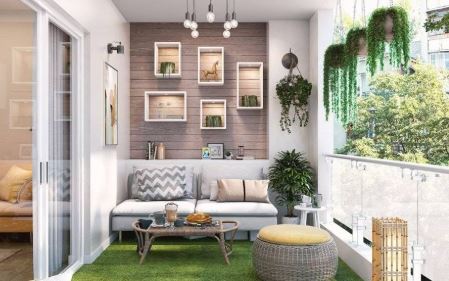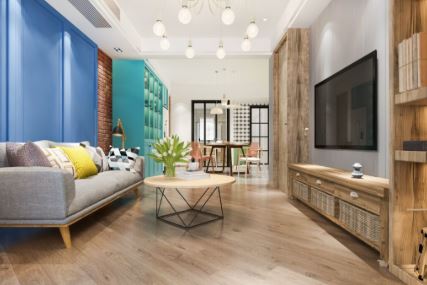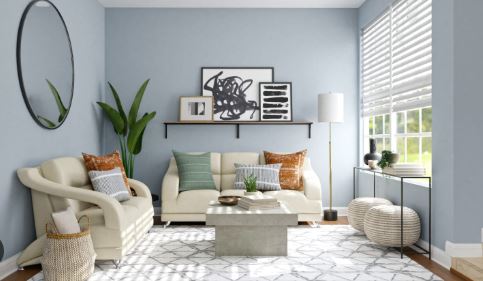
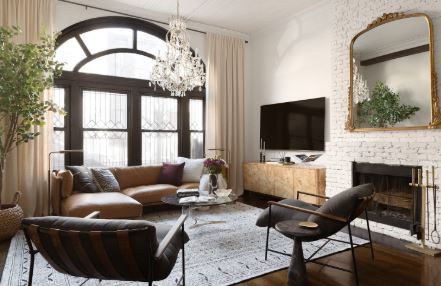
Small homes demand big thinking. The living room, often the most used space, must handle comfort, storage, aesthetics and sometimes even work or dining.
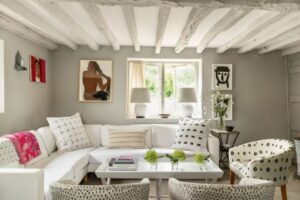
Good decor choices do not magically create space, but they make a room feel larger, calmer and more functional. That distinction matters.
Design research from organisations like IKEA, Architectural Digest and the American Society of Interior Designers consistently shows that perception plays a major role in how spacious a room feels.
This article focuses on practical living room decor ideas for small homes, grounded in real design logic, not fantasy makeovers.
Why small living rooms feel harder to decorate
Small living rooms fail when every item tries to shout. Too many colours, oversized furniture and poor lighting compress the space visually.
According to Architectural Digest, clutter and scale mismatch are the two biggest reasons small rooms feel uncomfortable.
The solution starts with restraint, not sacrifice.
Start with layout before decor
Living room decor ideas for small homes should follow layout, not fight it. A well-planned layout reduces visual noise and improves movement. Interior designers often recommend floating furniture instead of pushing everything against walls. This creates depth and improves circulation.
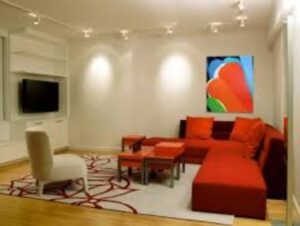
For narrow rooms, placing seating along the longest wall helps elongate the space visually. Before buying decor, map how people actually move through the room.
Choose furniture that respects scale
Oversized sofas look luxurious in showrooms but overpower small living rooms. Compact seating with slim arms works better.
Mid-century modern furniture styles remain popular for small homes because they combine clean lines with raised legs.
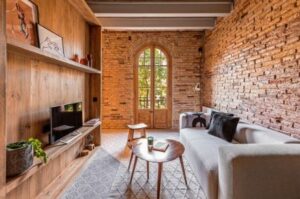
Raised furniture exposes floor space, which the brain reads as openness. This principle is widely supported in interior design psychology studies.
Avoid bulky recliners and deep couches unless the room genuinely allows them.
Use multifunctional furniture intelligently
Multifunctional furniture is not a trend. It is a necessity for small homes. Ottomans with storage, nesting tables and sofa beds reduce the need for extra pieces.
According to IKEA’s small space living research, homes with multifunctional furniture report better day-to-day usability. Choose pieces that perform one main job exceptionally well and a second job quietly.
Light colours help but balance matters
White walls remain a classic choice for small living rooms, but pure white can feel flat and clinical.
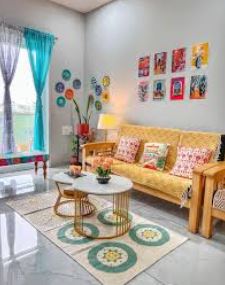
Designers providing living room decor ideas for small homes often recommend warm neutrals like ivory, greige or soft beige to add depth without shrinking the space.
A darker accent wall can work if the remaining walls stay light and the room receives adequate natural light. The goal is contrast with control.
Mirrors are tools, not decorations
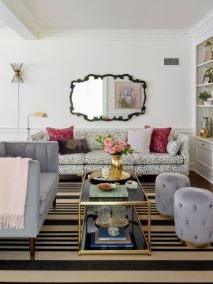
Mirrors reflect light and visually double space. This is not a myth. It is physics. Placing a mirror opposite a window maximises daylight. Placing it behind a lamp multiplies artificial light. However, too many mirrors create visual chaos. One large mirror works better than several small ones. This technique appears consistently in professional design guides, including those from Better Homes and Gardens.
Lighting decides mood and scale
Single ceiling lights flatten a room. Layered lighting creates depth.
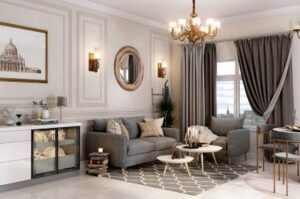
Combine ambient lighting with task lighting and soft accent lights. Floor lamps with slim profiles work especially well in corners.
Wall-mounted lights free up surface space and reduce clutter. According to lighting design studies, rooms with layered lighting feel up to 30 percent more inviting, even when small.
Storage should disappear visually
Open storage looks attractive in magazines but requires discipline. Closed storage forgives daily life. Choose cabinets in the same colour as walls to help them blend in.
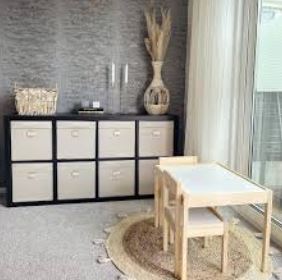
Floating shelves work best when styled minimally. Overloaded shelves shrink the room instantly. Design experts consistently stress that visual calm matters more than storage quantity in small spaces.
Rugs define zones without walls
A rug anchors the seating area and prevents furniture from looking scattered.
In small living rooms, one medium-sized rug works better than multiple small ones.
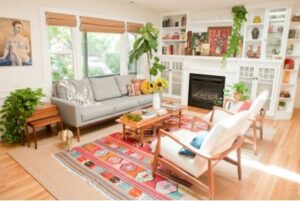
Ensure at least the front legs of sofas and chairs sit on the rug. This visually unites the furniture.
Interior design studies confirm that defined zones improve spatial clarity in compact homes.
Curtains can lift the ceiling visually
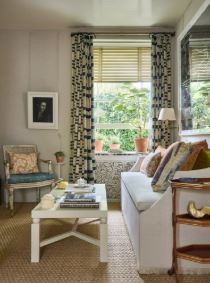
Short curtains cut the wall height. Floor-length curtains draw the eye upward. Hang curtain rods closer to the ceiling, not just above the window frame. Choose light fabrics like linen or sheer blends to allow daylight through. This technique appears frequently in professional staging and real estate presentation guidelines.
Wall decor needs editing, not abundance
Gallery walls can work in living room decor ideas for small homes, but only with planning. Stick to one colour palette or frame style to reduce visual noise.
Large artwork often works better than many small pieces.
According to design psychologists, the brain processes fewer large shapes faster, creating a calmer experience.
Plants bring life without clutter
Plants add texture, colour and warmth. They also improve air quality, according to NASA-backed studies. In small living rooms, vertical plants or hanging planters save floor space.
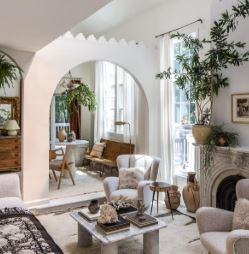
Choose low-maintenance varieties like snake plants or pothos for practicality. One or two well-placed plants outperform a crowded jungle.
Use vertical space with purpose
Walls offer storage and decor opportunities, but only when used strategically.
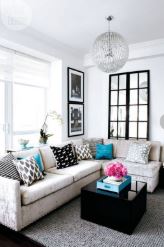
Tall shelving units draw the eye upward, making ceilings feel higher. Avoid filling every vertical inch. Empty space matters.
Architectural Digest often highlights vertical emphasis as a key strategy in compact urban homes.
Technology should blend in
Visible cables and bulky TV units disrupt visual flow. Wall-mounted televisions paired with slim consoles keep the room tidy.
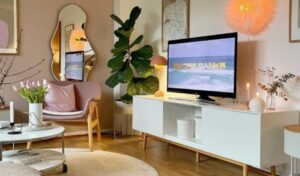
Cable management solutions exist for a reason. Use them. Clean tech integration improves both aesthetics and usability in small living rooms.
Personal style still matters
Small does not mean soulless. Personality belongs in every space.
Choose a few meaningful decor items rather than many generic ones.
Personal objects create emotional comfort, which matters as much as visual appeal.
Design research consistently links emotional connection to perceived comfort in living spaces.
Common mistakes to avoid
Buying furniture before measuring the room remains the biggest mistake. Ignoring lighting until the end often leads to disappointment. Overdecorating walls and surfaces reduces breathing room.
Smart living room decor ideas for small homes reward patience and planning more than impulse purchases.
Why these ideas matter long term
Small homes are becoming more common in urban areas across the world, driven by rising property costs and changing lifestyles. Research from multiple real estate firms shows that average home sizes are gradually shrinking in many major cities.
In this context, smart living room decor ideas for small homes play a bigger role than ever. Thoughtful design improves daily comfort, supports better movement and reduces stress. These benefits may not photograph dramatically, but they are felt every day in real life.
Also Read: Balcony decor ideas for apartment homes that turn small outdoor spaces into happy places
Final thoughts on living room decor ideas for small homes
Designing a small living room is not about shrinking big-home ideas to fit a tighter space. It is about understanding scale, light, movement and human behaviour to create balance. The best living room decor ideas for small homes work with reality, not against it, improving comfort and daily use. When design is thoughtful, the room no longer feels small. It feels intentional, calm and welcoming.