Minimalism in home design often gets misunderstood as empty rooms and strict rules. In reality, it is about intention, comfort, and choosing what truly supports daily life. These minimalist home decor tips focus on clarity rather than perfection, helping beginners create spaces that feel calm, functional, and personal.
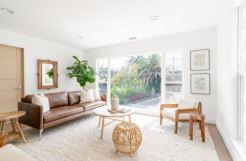
If you are just starting out, the goal is not to copy magazine homes. It is to understand how space, light, and purpose work together. Research in environmental psychology shows that visually calm environments can reduce stress and improve focus, especially at home where mental recovery matters most. Source American Psychological Association.
This guide is written for real homes and real people. It explains what minimalism actually means, why it works, and how to apply it step by step without pressure.
What minimalist decor really means
Minimalist decor is rooted in the idea of intentional living. It comes from modernist design principles developed in the early twentieth century, where form followed function and unnecessary ornamentation was removed. Source Museum of Modern Art design archives.
In a home setting, minimalism does not mean living without comfort or personality. It means every item has a reason to exist. Furniture supports daily activities. Decor adds meaning, not noise. Empty space is not wasted space, it allows the room to breathe.
Minimalist homes often feel calm because they reduce visual competition. Studies in neuroscience suggest that cluttered environments increase cognitive load, making it harder for the brain to relax. Source Princeton University Neuroscience Institute.
Why minimalism works especially well for beginners
For people new to home decor, minimalism offers clarity. Too many choices often lead to decision fatigue. A simpler framework makes it easier to decorate with confidence.
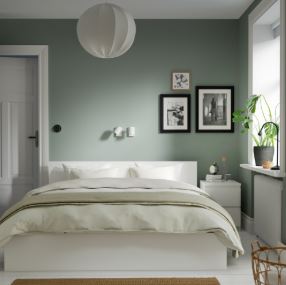
Minimalist home decor for beginners works because it limits distractions. Instead of styling dozens of elements, you focus on a few core decisions such as layout, color, and function. This approach reduces mistakes and saves time.
Another advantage is flexibility. Minimalist spaces adapt easily as needs change. Whether you move homes, change routines, or add family members, a pared down base makes transitions smoother.
Start with decluttering, not decorating
Before thinking about colors or furniture, deal with what already exists. Decluttering is not about throwing everything away. It is about editing.
Research from UCLA Center on Everyday Lives of Families found that visual clutter increases stress hormones, particularly in living spaces. Source UCLA CELF research publications.
Go room by room and remove items that no longer serve a purpose or bring genuine value. Keep what supports daily life or has personal meaning. Everything else creates friction.
This step alone often makes a home feel more minimalist without buying anything new.
Choose function before style
One of the most overlooked aspects of minimalism is functionality. Minimalist design prioritizes how a space is used before how it looks.
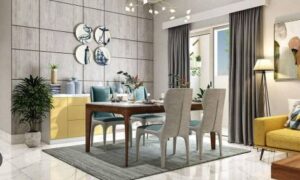
Ask simple questions. Where do you sit most often. Where does clutter naturally accumulate. Which areas feel cramped or underused.
Once function is clear, styling becomes easier. Furniture placement improves flow. Storage decisions feel logical. This mindset is essential when learning how to decorate a minimalist home without frustration.
Keep a calm and limited color palette
Color has a powerful psychological impact. Minimalist homes usually rely on neutral or muted tones because they reduce visual noise and support relaxation.
According to color psychology research, soft neutrals like beige, gray, off white, and warm taupe promote calm and focus. Source National Institutes of Health behavioral studies.
This does not mean your home must be colorless. One or two accent tones used consistently can add warmth without overwhelming the space.
A limited palette also helps beginners avoid mismatched decor and impulse purchases.
Let natural light lead the design
Light is a core element of minimalism. Well lit spaces feel larger, cleaner, and more inviting.
Architectural studies show that access to natural light improves mood, sleep quality, and overall wellbeing. Source Harvard Medical School environmental health studies.
Keep window treatments simple and functional. Avoid blocking light with heavy furniture or unnecessary decor. Mirrors can help reflect light and open up smaller rooms.
When artificial lighting is needed, choose warm, soft lighting that supports relaxation rather than harsh brightness.
Simple furniture choices make the biggest difference
Furniture defines how minimalist a space feels. Clean lines, simple shapes, and practical proportions matter more than trends.
Avoid oversized furniture that dominates the room. Instead, choose pieces that fit the scale of the space and allow movement.
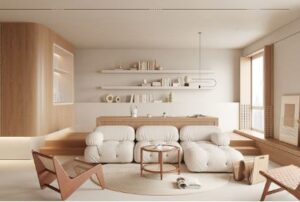
Simple minimalist interior design ideas often focus on fewer pieces that do more. A well designed sofa, a functional table, and comfortable seating can replace multiple decorative items.
Quality matters here. Durable materials age better and reduce the need for frequent replacements.
Use decor intentionally, not excessively
Minimalist home decor tips are not about having no decor. It is about choosing decor with meaning.
One artwork you love is more impactful than a wall full of filler. A ceramic bowl used daily adds more value than decorative objects that collect dust.
This approach aligns with research on emotional attachment to objects, which shows that meaningful items increase satisfaction more than quantity. Source Journal of Consumer Psychology.
When in doubt, leave space empty. Empty space highlights what remains.
Storage should be hidden but accessible
Clutter often returns when storage is inconvenient. Minimalist homes rely on smart storage that keeps essentials accessible but out of sight.
Built in storage, closed cabinets, and multi purpose furniture help maintain visual calm. Clear surfaces make rooms feel lighter and easier to clean.
This principle is especially useful for minimalist home decor for beginners who want a low maintenance setup.
Minimalism works on a budget
Contrary to popular belief, minimalism does not require expensive furniture or luxury materials. In fact, it often saves money.
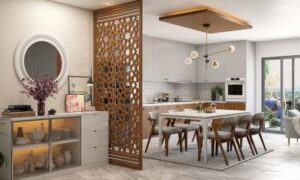
Minimalist decor ideas on a budget focus on buying less, not buying cheap. Thoughtful purchases prevent waste and regret.
Second hand furniture, simple DIY upgrades, and repurposing existing items align well with minimalist values. Research on sustainable consumption supports this approach as both environmentally and financially responsible. Source United Nations Environment Programme.
Room by room minimalist approach
Living room
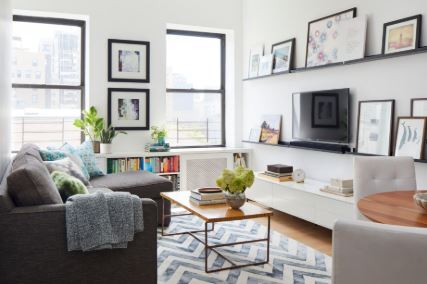
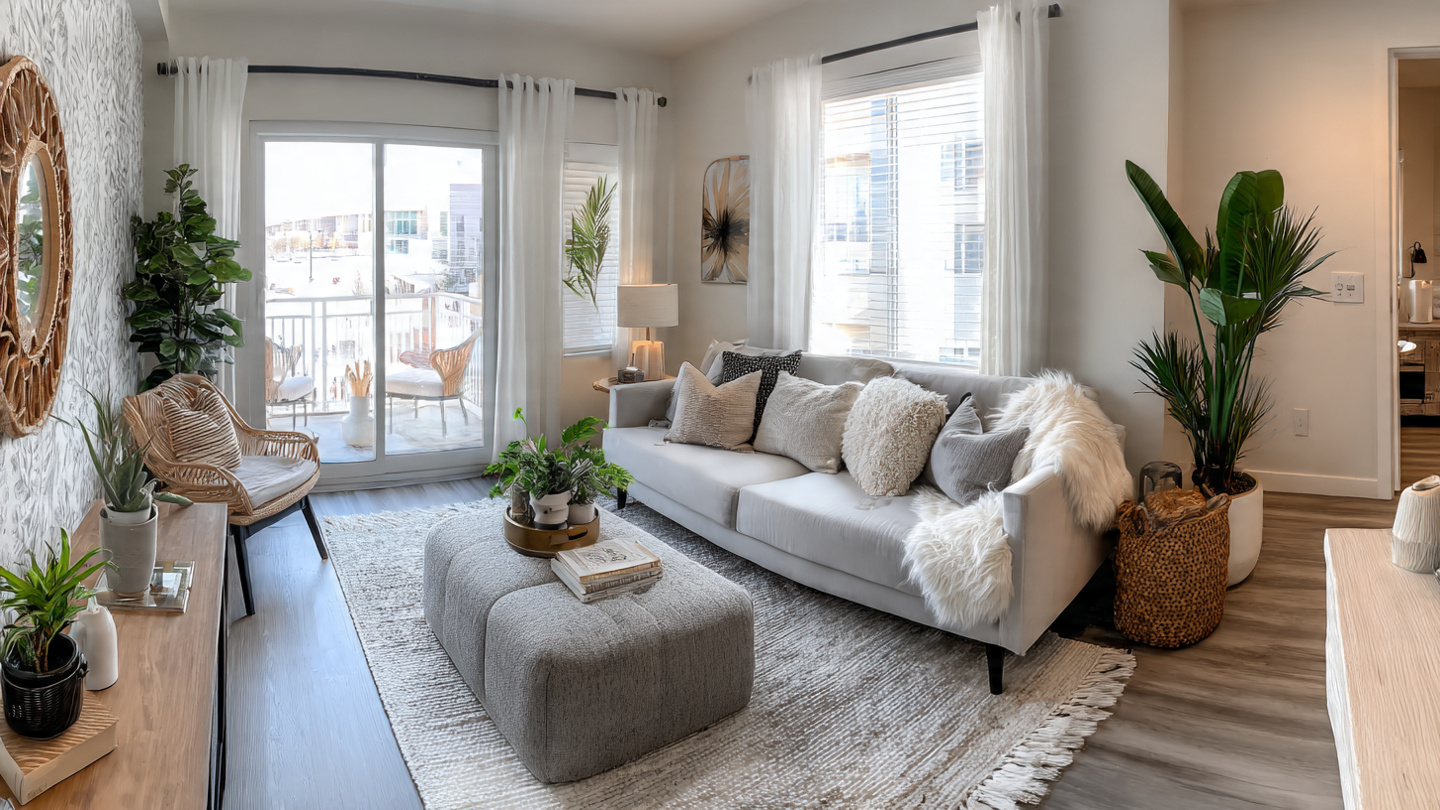
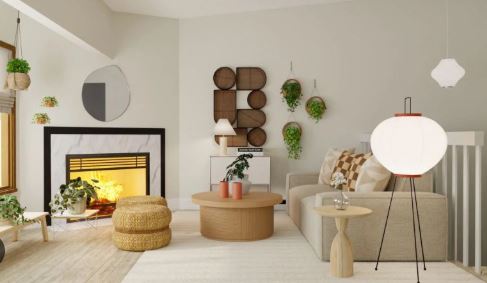
Focus on seating, lighting, and movement. Remove excess tables and decor. Keep surfaces mostly clear. One focal point is enough.
Bedroom
Bedrooms benefit greatly from minimalism. Fewer visual distractions support better sleep. Studies on sleep hygiene emphasize the role of calm environments. Source National Sleep Foundation.
Limit bedside items to essentials. Choose soft textures and neutral tones.
Kitchen
Clear countertops improve both function and hygiene. Research in food safety highlights the benefits of uncluttered prep spaces. Source Centers for Disease Control and Prevention.
Store small appliances out of sight. Keep only daily use items accessible.
Bathroom
Minimalist bathrooms feel cleaner and more relaxing. Limit products to what you actually use. Closed storage reduces visual clutter and simplifies cleaning routines.
Avoid common beginner mistakes
Many beginners try to do everything at once. Minimalism works best when applied gradually.
Another mistake is confusing minimalism with cold or empty design. Warm textures, natural materials, and personal items prevent spaces from feeling sterile.
Finally, avoid strict rules. Minimalism is a framework, not a checklist. Adapt it to your lifestyle.
Sustainability and minimalism go hand in hand
Minimalist living naturally supports sustainability. Fewer purchases reduce waste and resource use.
Environmental research consistently shows that reduced consumption lowers carbon impact. Source Intergovernmental Panel on Climate Change lifestyle studies.
Choosing durable items, repairing instead of replacing, and avoiding trends align with both minimalist and sustainable values.
How minimalism supports mental wellbeing
Mental health research links calm environments to reduced anxiety and improved focus. Source World Health Organization housing and mental health reports.
Minimalist spaces remove constant visual reminders of unfinished tasks and excess. This mental clarity can improve daily routines and overall mood.
This is one reason minimalist home decor tips resonate with people seeking balance rather than aesthetics alone.
Making minimalism personal
Minimalism is not about copying someone else’s home. It is about understanding your habits, needs, and values.
Personal photos, meaningful objects, and cultural elements belong in minimalist spaces when chosen intentionally. The goal is alignment, not emptiness.
Simple minimalist interior design ideas work best when they reflect real life, not idealized images.
Long term maintenance of a minimalist home
Minimalism requires occasional review. Life changes, and homes should adapt.
Also Read: Neutral color decor ideas that bring warmth, balance, and modern elegance to today’s homes
Regularly reassess what you use and what no longer fits. This prevents clutter from quietly returning.
Developing mindful purchasing habits is key. Pause before buying. Ask whether an item truly adds value.
Conclusion
Minimalism is not a trend, it is a mindset rooted in intention, clarity, and respect for space. These minimalist home decor tips are designed to help beginners create homes that feel calm, functional, and personal without pressure or perfection.
By focusing on function, light, and thoughtful choices, anyone can learn how to decorate a minimalist home in a way that supports daily life. When approached gradually, even minimalist decor ideas on a budget can lead to spaces that feel balanced, meaningful, and genuinely comfortable to live in.
FAQs
1. Can minimalist home decor work for families with kids or pets
Yes, minimalist home decor for beginners can work very well for families when it focuses on function over appearance. Choosing durable furniture, washable fabrics, and defined storage zones keeps spaces practical and calm. Minimalist home decor tips encourage fewer but more useful items, which makes cleaning faster and reduces visual stress. When the layout supports real routines, minimalism becomes a helpful system rather than a fragile style.
2. How do I keep a minimalist home from feeling boring or lifeless
Minimalist homes feel dull only when warmth is missing. Simple minimalist interior design ideas rely on texture, natural light, and subtle contrast to add depth. Wood finishes, soft textiles, and one meaningful art piece can transform the mood. Learning how to decorate a minimalist home is less about adding decor and more about choosing elements that create comfort without visual clutter or distraction.
3. Is minimalism suitable for small rented apartments
Minimalism is ideal for small rentals because it avoids permanent changes and focuses on flexibility. Minimalist home decor for beginners often starts with movable furniture, neutral colors, and hidden storage. These choices improve flow and make small spaces feel larger. Since nothing is fixed, the home stays adaptable for future moves while still feeling cohesive and thoughtfully designed.
4. How often should I reassess items in a minimalist home
Minimalism works best with occasional reflection rather than constant decluttering. Revisiting your space every few months helps you notice what still supports your lifestyle. This habit aligns with minimalist home decor tips that prioritize intention over rules. When items no longer serve a function or purpose, removing them becomes a natural decision instead of an overwhelming task.
5. Can minimalism still support hobbies and creative interests
Minimalism does not limit creativity. It simply gives it structure. When learning how to decorate a minimalist home, hobbies can be supported through dedicated storage or flexible spaces. Keeping creative tools organized but accessible maintains visual calm while protecting creative flow. Many people find that a simplified environment actually improves focus and enjoyment of personal interests.
6. How do minimalist decor ideas on a budget avoid looking temporary
Minimalist decor ideas on a budget feel lasting when they focus on timeless choices. Neutral colors, simple forms, and functional furniture age better than trend driven pieces. Even affordable items can look intentional when they serve a clear purpose. This approach reflects simple minimalist interior design ideas that value longevity and everyday usefulness over constant replacement.
7. What mindset shift matters most for minimalist beginners
The biggest shift for minimalist home decor for beginners is moving from decoration to intention. Instead of asking what looks good, ask what supports daily life. Minimalist home decor tips emphasize awareness of habits, space, and comfort. This mindset makes decisions clearer and prevents overbuying, allowing the home to evolve naturally without pressure to meet unrealistic design standards.