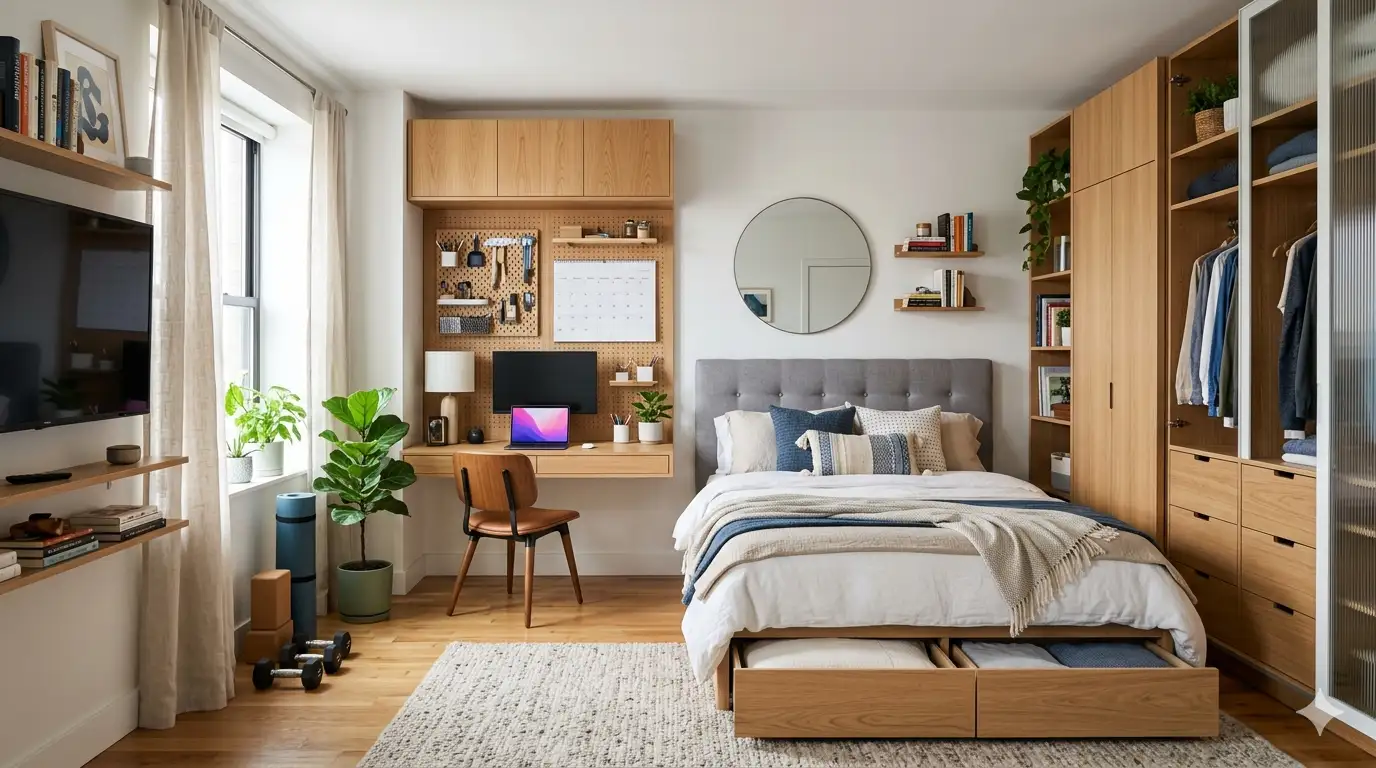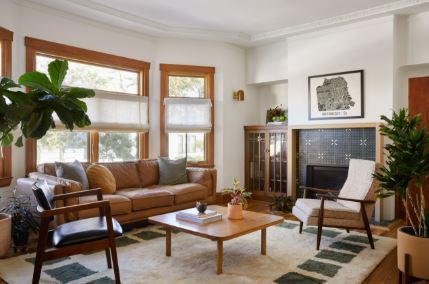
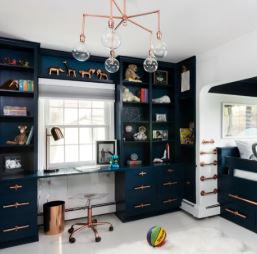
Living in a small home doesn’t mean you have to compromise on order, style, or functionality. Smart storage ideas for small homes focus on maximising space, creating hidden compartments, and using every nook efficiently. Whether you live in a compact apartment, a tiny townhouse, or just want to declutter your existing rooms, the right storage strategies can transform your space.
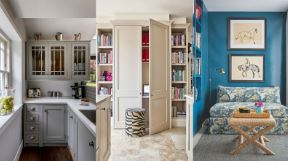
From multi-functional furniture to clever closet solutions and invisible storage solutions, these methods allow you to organise every room without undertaking costly renovations. The goal is to combine form and function while keeping your home visually open, comfortable, and clutter-free.
This article explores practical storage solutions informed by design research, human ergonomics studies, and expert tips from home organisation specialists. Each solution is designed for longevity, ease of use, and visual harmony.
Why smart storage ideas for small homes matter in small spaces
Maximising every inch of space
Small homes are all about efficiency. When space is limited, even a few extra inches can make a big difference. Research from the National Association of Home Builders highlights that small-space planning significantly improves usability and reduces daily stress. Smart storage ideas for small homes help ensure that every corner – from under the bed to the top of cabinets – works for you.
Reducing clutter for mental clarity
Cluttered spaces can increase stress and reduce productivity. Studies from the American Psychological Association show that organised living spaces positively impact mental well-being. Using small home organization ideas to create structured storage systems supports both efficiency and emotional health.
Supporting flexible living
Homes today often double as offices, gyms, or play areas. Modular and adaptable storage allows rooms to serve multiple purposes. By implementing closet organization ideas for small home with multi-purpose furniture, you can maintain a sense of calm even in busy, high-traffic areas.
Clever closet organization ideas for small homes
Closets are often the first place small-space storage fails. With a few smart adjustments, you can dramatically increase their capacity.
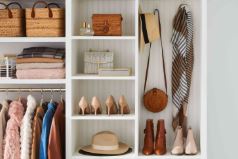
Vertical storage solutions
Use vertical space by adding double rods, stacking shelves, or incorporating hanging organizers. According to design studies from the Interior Design Research Network, closet organization ideas for small homes with vertical storage improves accessibility and visual order in compact spaces.
Drawer and bin systems
Smart storage ideas for small homes incorporate modular bins, pull-out drawers, and cubbies. These allow smaller items to stay organised and visible. Clear or labelled bins enhance usability without overcrowding the closet.
Multi-purpose closet doors
Closet doors can become storage tools themselves. Over-the-door racks, hanging pockets, or slim shelves can store shoes, accessories, and cleaning supplies efficiently, freeing up the main interior space.
Hidden storage ideas that transform rooms
Hidden storage is a hallmark of smart small home design. It keeps everyday items out of sight while maximising space efficiency.
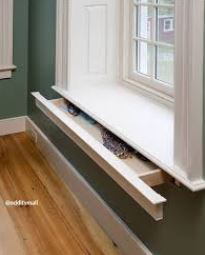
Under-bed and furniture storage
Beds with lift-up frames or drawers underneath can store linens, seasonal clothing, or bulky items. Sofas and ottomans with hidden compartments serve a dual purpose: seating and storage. Research from home ergonomics experts highlights that hidden storage encourages consistent use and reduces clutter accumulation.
Staircase storage
If your home has stairs, consider using the risers as pull-out drawers or shelving. Customised under-stair cabinets can house shoes, books, or pantry items, turning previously wasted space into functional storage.
Built-in wall niches
Recessed shelves and wall niches keep items accessible without projecting into living space. These are particularly effective in hallways, bathrooms, and kitchens, where every inch counts.
Small space storage tips for each room
Small homes benefit most when storage strategies are tailored to room function. Here are targeted tips:
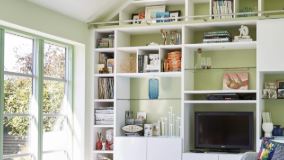
Living room
Use multifunctional furniture, such as coffee tables with storage, media consoles with drawers, or wall-mounted shelves. Modular shelving units can divide areas while offering storage, making open-plan layouts feel organised and structured.
Kitchen
Install pull-out pantry shelves, magnetic spice racks, and under-cabinet storage. Studies from The Spruce and the American Kitchen and Bath Association show that smart storage in compact kitchens increases both usability and safety. Stackable containers and clear jars make the most of cabinet depth.
Bedroom
Besides closet optimisation, use bed drawers, tall bookshelves, and bedside tables with hidden compartments. Multi-functional furniture doubles storage while maintaining a clean aesthetic, which is key in a space meant for rest.
Bathroom
Over-the-toilet shelving, under-sink organisers, and corner caddies keep toiletries accessible and tidy. Water-resistant bins and baskets maximise vertical space and maintain hygiene.
Innovative small home organization ideas for multi-purpose spaces
Modern homes often require multifunctional rooms. Clever storage allows spaces to adapt to changing needs.
Folding and collapsible furniture
Murphy beds, fold-out desks, and collapsible tables free floor space when not in use. According to design ergonomics studies, furniture that adapts to activity supports productivity and well-being in compact homes.
Modular shelving and storage cubes
Stackable or reconfigurable units can evolve with your storage needs. These systems are particularly useful in living rooms, home offices, or play areas.
Wall-mounted and floating units
Floating desks, cabinets, and shelves keep the floor clear, creating a sense of openness. This visual trick is backed by spatial psychology research, which shows that open floor space enhances perceived room size.
Multi-functional furniture as smart storage solutions
Smart furniture is an essential part of any small home storage plan.
Sofas and ottomans with storage
Storage sofas provide hidden compartments for blankets, toys, or seasonal decor. Ottomans double as seating and storage, maintaining a neat look while supporting everyday activities.
Beds with drawers or lift-top storage
Lift-top beds allow easy access to under-bed storage. Beds with integrated drawers replace bulky standalone storage units, making the room feel more spacious and organised.
Tables with concealed storage
Coffee tables, dining tables, or side tables can include drawers or shelves. According to interior design journals, furniture that combines storage and function reduces clutter and simplifies daily routines.
Creative use of vertical and wall space
Small homes can feel cramped if vertical space is ignored.
Floor-to-ceiling shelving
Tall shelves use unused wall space and free up floor area. Adding baskets or bins to these shelves keeps items organised and visually neat.
Pegboards and slat walls
Pegboards allow customizable storage for kitchen tools, craft supplies, or office items. Slat walls provide flexible hooks and shelves that adapt as your storage needs change.
Also Read: Peel and stick wallpaper ideas for rentals that actually look stylish and landlord-safe
Hanging and wall-mounted racks
From bicycles to cookware, hanging racks remove items from the floor, reducing clutter while making them easily accessible.
Small space storage tips for aesthetic balance
Effective storage is functional but should also complement the home’s design.
Colour coordination and uniform containers
Uniform baskets or containers with matching colours make storage visually cohesive. Research shows that consistent visual design reduces perceived clutter.
Open versus closed storage
Open shelving encourages organisation, but closed storage hides messy items. A mix of both creates a balance between functionality and aesthetics.
Layered and stepped shelving
Using shelves at different heights creates depth while optimising vertical space. This technique works well in living rooms, kitchens, or bedrooms.
Tips for maintaining your small home storage system
Regular decluttering
Even the best storage ideas fail without maintenance. A simple routine of sorting, donating, and discarding prevents accumulation of unnecessary items.
Seasonal rotation
Rotate items seasonally, keeping only what’s in use visible. Hidden storage such as under-bed drawers or upper closet shelves work best when paired with seasonal organization.
Accessibility and ergonomics
Ensure frequently used items are easy to reach. Store rarely used items in higher or less accessible spots. Ergonomic placement reduces frustration and supports efficient use of storage.
Common mistakes to avoid
Overstuffing storage
Cramming items into drawers or shelves reduces usability and increases clutter. Leave breathing space for items to be easily accessible.
Ignoring multi-functional solutions
Many small home organization tips fail if furniture isn’t designed for dual purpose. Always consider functionality alongside storage.
Neglecting vertical space
Failure to use vertical storage often results in wasted room and floor congestion. Shelves, racks, and wall units optimise this often-overlooked area.
Sustainability and long-term value of smart storage
Durable materials and maintenance
Invest in storage solutions made from long-lasting materials such as solid wood, metal, or high-quality composites. Durable storage reduces replacement frequency, lowering environmental impact.
Modular and adaptable systems
Modular furniture and shelving allow incremental expansion instead of replacing entire systems. This flexibility supports changing needs without additional resource use.
Responsible sourcing
Choose materials from sustainable or recycled sources. According to environmental building councils, responsible sourcing contributes to reduced ecological footprint while maintaining design quality.
The future of small home storage
Technology-driven storage solutions
Smart storage is evolving with technology, including modular smart furniture, IoT-enabled shelves, and app-integrated inventory management systems.
Flexible and adaptive designs
As homes become multifunctional, storage systems are moving toward adaptability. Stackable cubes, foldable furniture, and reconfigurable wall units allow spaces to change as needs evolve.
Multi-sensory design considerations
Future small home storage considers ergonomics, tactile interaction, and visual flow, making storage both functional and pleasant to use.
Conclusion
Smart storage ideas for small homes offer a practical and stylish approach to living efficiently in compact spaces. By using closet organization ideas, secret compartment ideas, and tailored small space storage ideas, every room can become organised without major renovation.
Also Read: DIY wall art ideas for apartments that feel personal and practical
Whether through multi-functional furniture, vertical shelving, or modular storage systems, these solutions enhance usability, comfort, and aesthetics. With careful planning and thoughtful design, small homes can feel spacious, harmonious, and completely clutter-free, proving that size does not limit style or organisation.
FAQs
1. What are the best closet organization ideas for a small home?
Closet organization in a small home works best when it maximizes vertical space and incorporates modular solutions. Double hanging rods, stackable bins, pull-out drawers, and slim shelves help keep clothing and accessories organised. Over-the-door racks or hanging pockets can store shoes, scarves, or cleaning supplies. These ideas reduce clutter and make it easy to access items daily. By combining functional layout with storage accessories, a small closet can feel spacious and efficiently organised.
2. How can hidden storage ideas improve small home living?
Hidden storage ideas transform unused areas into functional spaces. Beds with lift-up storage, ottomans with compartments, and under-stair drawers conceal items while keeping rooms tidy. Wall niches or recessed shelves allow storage without encroaching on living space. These solutions reduce visual clutter and make compact areas more versatile. Research in ergonomics suggests that hidden storage encourages consistent use and supports a calm, clutter-free home. This approach is ideal for apartments or homes where space is limited.
3. How small space storage work in the kitchen?
Small space storage tips for kitchens include pull-out pantry shelves, under-cabinet organizers, magnetic spice racks, and stackable containers. Vertical storage, such as wall-mounted shelves and hanging racks, optimises counter space. Clear jars and labelled bins improve visibility and accessibility, making small kitchens more functional. Using multi-functional furniture like foldable tables or movable islands can also add storage while keeping work areas open. These strategies maximise every inch, maintain order, and support efficient cooking in compact spaces.
4. How can small home organization enhance multifunctional rooms?
Small home organization ideas for multifunctional rooms focus on adaptable furniture and modular storage. Foldable desks, Murphy beds, stackable shelving units, and wall-mounted cabinets allow spaces to change function seamlessly. Floating shelves free floor space and maintain openness. Combining hidden storage with modular elements supports work, rest, and recreation within the same room. These solutions improve usability while keeping clutter under control, making small homes more flexible and suitable for changing lifestyles.
5. What role does vertical storage play in compact homes?
Vertical storage is crucial for small homes because it uses previously wasted wall space. Floor-to-ceiling shelves, pegboards, slat walls, and hanging racks optimise storage without reducing floor area. Vertical solutions improve accessibility and allow visual organisation, which can make a room feel larger. Interior design research shows that using vertical storage enhances perceived space, reduces clutter, and provides flexible, ergonomic solutions. It’s ideal for living rooms, bedrooms, kitchens, and bathrooms in compact homes.
6. How can furniture with integrated storage benefit small spaces?
Furniture with integrated storage maximises space while keeping rooms visually uncluttered. Examples include storage sofas, ottomans, lift-top beds, and coffee tables with hidden compartments. These multi-functional items combine seating, sleeping, or surface area with storage, reducing the need for extra cabinets or shelves. Ergonomic research highlights that accessible, concealed storage improves usability and encourages organisation. Such furniture is especially valuable in apartments or small homes, where floor space is limited, and efficiency is critical for daily living.