Introduction
Modern homes are changing fast and not just in how they look. Homeowners today care about health durability and long term impact as much as aesthetics. Sustainable home decor has become central to this shift because it balances design with responsibility. Instead of short lived trends it focuses on materials that last longer age better and support indoor wellbeing. This approach fits modern lifestyles where people want cleaner spaces fewer toxins and thoughtful design choices. Sustainable decor does not mean compromising on style. It simply means choosing materials and finishes that respect natural systems while still delivering comfort warmth and visual appeal.
What sustainable decor really means in modern homes
Sustainability in interiors goes far beyond using recycled items or earthy colors. It is a system based approach that considers where materials come from how they are processed how long they last and what happens after their life cycle ends. Modern sustainable interiors focus on reduced waste low emissions and responsible sourcing. They also prioritize indoor air quality and thermal comfort.
Designers now evaluate materials using life cycle assessments developed by research institutions. According to the United States Environmental Protection Agency building materials play a significant role in household environmental impact due to extraction processing and disposal. By selecting durable low impact materials homeowners reduce both maintenance needs and long term waste.
Why material choice matters more than ever
Materials form the physical foundation of every interior. Walls floors furniture and finishes directly affect health energy use and maintenance. Poor quality materials often release volatile organic compounds which reduce indoor air quality. Research from the World Health Organization confirms that indoor pollutants can be more harmful than outdoor ones due to prolonged exposure.
Choosing Eco friendly home decor materials helps limit chemical exposure while supporting healthier living spaces. These materials often come from renewable sources and require less energy during manufacturing. They also age gracefully reducing the need for frequent replacement. In modern homes where open layouts and ventilation are priorities material safety becomes even more important.
Natural materials shaping modern interiors
Wood and engineered timber solutions
Wood remains one of the most valued materials in modern homes because it offers warmth strength and adaptability. Sustainably managed forests certified by organizations such as the Forest Stewardship Council ensure responsible harvesting. Engineered wood products like cross laminated timber use smaller wood pieces efficiently while maintaining structural integrity.

Using Natural materials for modern interiors such as responsibly sourced wood improves humidity regulation and acoustic comfort. Studies published by the National Institutes of Health show that natural wood surfaces can reduce stress responses in indoor environments. This makes timber ideal for flooring wall panels and furniture in modern homes.
Stone clay and mineral based finishes
Stone clay and lime based finishes have re entered contemporary design due to their durability and low environmental impact. Natural stone requires minimal chemical processing and lasts for decades. Clay plasters regulate moisture and improve air quality by absorbing pollutants.
These materials align with Sustainable interior design materials because they rely on natural mineral composition rather than synthetic binders. Research from the University of British Columbia highlights the moisture regulating benefits of clay finishes especially in humid climates. Modern interiors use these materials in subtle textures that enhance minimalist design.
Renewable fibers and plant based textiles
Textiles influence both comfort and air quality. Natural fibers such as organic cotton linen hemp and jute are biodegradable and require fewer synthetic treatments. Unlike conventional fabrics they do not trap allergens or release microplastics.
Using Eco friendly home decor materials in upholstery curtains and rugs reduces indoor chemical exposure. According to reports by the European Environment Agency textile production is a major source of pollution when synthetic fibers dominate. Plant based textiles support breathable interiors and align well with neutral modern palettes.
Sustainable finishes paints and surface treatments
Paints and finishes often get overlooked despite their impact on indoor air. Low emission and mineral based paints significantly reduce volatile organic compounds. Natural oils and waxes protect wood without sealing in harmful chemicals.

These finishes support Sustainable interior design materials by enhancing durability while keeping surfaces breathable. Research from the Green Science Policy Institute shows that low emission coatings reduce respiratory irritation particularly in children and elderly residents. Modern homes benefit from these finishes through improved comfort and long term surface protection.
Green building materials transforming home construction
Structural materials influence energy efficiency and durability. Insulated concrete forms recycled steel and bamboo composites are now widely used in modern housing. Sustainable home decor makes these materials offer strength while reducing embodied energy.
Green building materials for homes also include recycled gypsum boards cellulose insulation and fly ash concrete alternatives. According to the U.S. Department of Energy these materials improve thermal performance and reduce heating and cooling demands. When integrated with modern architecture they create homes that consume less energy without sacrificing visual appeal.
How sustainability supports modern aesthetics
Sustainability does not impose a specific style. Instead it enhances modern design by encouraging simplicity authenticity and material honesty. Clean lines natural textures and neutral tones work well with sustainable materials. Designers often allow materials to age naturally rather than hiding wear.
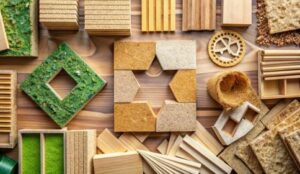
This philosophy complements Natural materials for modern interiors by celebrating imperfections and patina. Research from architectural journals published by MIT shows that spaces using natural finishes are perceived as warmer and more inviting. Modern homes benefit from this emotional connection while maintaining functional efficiency.
Balancing cost durability and long term value
One common concern is cost. While some sustainable materials have higher upfront prices they often last longer and require less maintenance. Durable flooring natural stone surfaces and solid wood furniture reduce replacement cycles.
Studies from the International Energy Agency confirm that homes built with sustainable materials often have lower lifecycle costs. Sustainable home decor becomes an investment rather than an expense when durability and health benefits are considered. Modern homeowners increasingly prioritize long term value over short term savings.
Certifications standards and how to evaluate materials
Understanding certifications helps homeowners make informed choices. Labels such as FSC for wood GREENGUARD for emissions and Cradle to Cradle for product lifecycle provide transparency. These standards are developed by independent research and environmental organizations.
Using certified Green building materials for homes ensures compliance with safety and environmental benchmarks. The International Organization for Standardization outlines frameworks that guide material testing and labeling. While certifications are not the only indicator they offer reliable reference points.
Regional considerations and climate responsiveness
Material performance varies by climate. Natural ventilation humidity levels and temperature fluctuations affect how materials age. Clay finishes work well in humid regions while stone performs better in dry climates.
Selecting Sustainable interior design materials that respond to local conditions reduces maintenance and energy use. Research from the Building Research Establishment in the United Kingdom emphasizes climate responsive material selection as a key factor in sustainable housing performance. Modern homes benefit when design aligns with environmental context.
Practical ways to transition toward sustainable decor
Transitioning does not require a full renovation. Start with high impact areas such as flooring paints and furniture. Replace synthetic rugs with natural fiber options and choose low emission paints during repainting.
Gradual adoption of Eco friendly home decor materials allows homeowners to balance budget and priorities. Studies from the Ellen MacArthur Foundation suggest incremental material changes significantly reduce household environmental impact over time. Sustainable decor evolves with the home rather than replacing it entirely.
The role of craftsmanship and local sourcing
Local craftsmanship reduces transportation emissions and supports regional economies. Handmade furniture tiles and textiles often use traditional methods with lower energy consumption.

Incorporating Natural materials for modern interiors through local sourcing also ensures better quality control. Research from UNESCO highlights the sustainability benefits of preserving traditional building crafts. Modern homes gain unique character while reducing environmental footprint.
Technology innovation and sustainable materials
Innovation continues to improve material performance. Bio based composites recycled glass surfaces and mushroom based insulation are now under active research. These materials aim to reduce reliance on fossil based components.
As these innovations mature Green building materials for homes will become more accessible. Reports from the National Renewable Energy Laboratory show promising results in durability and insulation efficiency. Modern homes benefit from innovation that aligns technology with environmental responsibility.
Common misconceptions about sustainable interiors
Some believe sustainable decor limits design options or feels rustic. In reality contemporary projects showcase sleek finishes bold contrasts and luxury aesthetics using responsible materials.
Another misconception is reduced durability. Many Sustainable interior design materials outperform conventional options due to higher quality standards. Research from the American Institute of Architects confirms that sustainable buildings often show improved long term performance metrics. Understanding facts helps homeowners move past outdated assumptions.
Future trends in sustainable home materials
Future trends point toward circular design modular construction and material reuse. Homes will increasingly incorporate materials designed for disassembly and reuse at end of life.
Also Read: Living room decor ideas for apartments that actually work in real homes
Sustainable home decor will also integrate smart systems that monitor air quality humidity and energy use. Academic research from Stanford University predicts that material transparency and digital tracking will guide future interior choices. Modern homes will continue evolving toward responsible innovation.
Conclusion
Modern living demands thoughtful choices that support health longevity and environmental balance. Sustainable home decor offers a practical path forward by combining durable materials responsible sourcing and timeless design. By choosing materials that age well improve indoor quality and reduce waste homeowners create spaces that feel both modern and meaningful. Sustainable interiors are not trends but long term commitments to better living for people and the planet.
Sources and informational references
United States Environmental Protection Agency
World Health Organization
National Institutes of Health
U.S. Department of Energy
European Environment Agency
International Energy Agency
Forest Stewardship Council
Green Science Policy Institute
Ellen MacArthur Foundation
American Institute of Architects
Building Research Establishment
Stanford University
National Renewable Energy Laboratory
Frequently asked questions
How do eco friendly materials improve indoor air quality in modern homes
Eco friendly materials improve indoor air quality by reducing the release of harmful chemicals during everyday use. Many conventional products emit volatile organic compounds that accumulate indoors over time. Eco-friendly home decor materials such as mineral based paints natural finishes and plant derived textiles allow walls and surfaces to breathe while helping regulate humidity. Environmental health research shows that cleaner indoor air supports better sleep focus and respiratory comfort. In modern homes with open layouts and controlled ventilation these material choices play a direct role in maintaining healthier living environments.
Are sustainable interior materials suitable for apartments and small homes
Yes sustainable interior materials are particularly well suited for apartments and compact homes where limited space increases exposure to indoor pollutants. Sustainable interior design materials like natural fibers low emission coatings and responsibly sourced wood help reduce chemical buildup while improving thermal comfort. These materials also reflect light more effectively which makes small spaces feel brighter and more open. Urban housing studies indicate that healthier material choices significantly improve perceived comfort and usability even in smaller living areas.
How do green building materials affect energy efficiency
Green building materials for homes directly influence energy efficiency by supporting insulation moisture balance and thermal mass. Materials such as cellulose insulation bamboo composites and mineral plasters help stabilize indoor temperatures naturally. Research from energy authorities shows that these materials reduce reliance on mechanical heating and cooling systems. As a result homeowners experience lower energy consumption improved comfort and more consistent indoor temperatures. Modern homes benefit most when these materials are combined with passive design strategies.
Can natural materials meet modern design expectations
Natural materials easily meet modern design expectations when applied with intention and restraint. Natural materials for modern interiors such as smooth stone surfaces engineered wood and refined clay finishes align well with clean lines and minimal detailing. Designers often pair these materials with neutral palettes to create contemporary yet warm spaces. Environmental psychology research shows that natural textures increase comfort and visual appeal without making interiors feel dated. Modern sophistication often comes from material honesty rather than decorative excess.
How do sustainable materials age over time
Sustainable materials are valued for how well they age rather than how new they look. Solid wood stone and natural fibers develop a patina that adds depth and character instead of showing wear as damage. Studies in material science indicate that many Sustainable interior design materials maintain structural integrity longer than synthetic alternatives. This graceful aging reduces replacement cycles and supports long term durability. Homeowners often prefer materials that tell a story over time rather than those that require frequent renewal.
Are eco friendly decor materials harder to maintain
Eco friendly decor materials are not harder to maintain and often simplify long term care. Natural oils waxes and mineral finishes can be refreshed easily without harsh chemicals. Eco-friendly home decor materials tend to resist surface breakdown because they work with natural material behavior rather than sealing it completely. Building maintenance research shows that simpler surface treatments reduce long term upkeep costs. Modern homes benefit from finishes that preserve appearance while minimizing effort.
What role do sustainable materials play in long term home value
Sustainable materials contribute positively to long term home value by improving durability indoor quality and energy performance. Buyers increasingly look for homes built with Green building materials for homes that support health and efficiency. Housing market research suggests that properties using responsible materials retain value better over time. These choices signal quality construction and future readiness. Homes designed with Natural materials for modern interiors often stand out for their timeless appeal and lasting performance.