Introduction
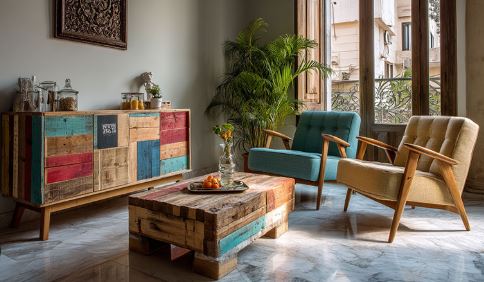
Homes today are evolving beyond fast furniture and short-term trends. Many people want spaces that feel personal, sustainable, and thoughtfully designed. Upcycling old furniture ideas fit perfectly into this shift. Instead of discarding worn or outdated pieces, upcycling focuses on transforming what already exists into something functional and visually relevant for modern living. This approach reduces waste, saves resources, and adds character that mass produced furniture often lacks. With the right techniques and planning, even the most ordinary furniture can become a striking part of contemporary home decor.
What upcycling really means in modern interiors
Upcycling versus recycling in furniture design

Upcycling and recycling often get confused, but they are not the same. Recycling breaks materials down to create something new, usually through industrial processes. Upcycling keeps the original item largely intact while improving its function or appearance. According to the United States Environmental Protection Agency, reuse and upcycling help conserve raw materials and reduce landfill waste more effectively than recycling alone. In interior design, upcycling preserves craftsmanship while adapting furniture to modern needs.
Why upcycling suits modern decor
Modern interiors value simplicity, functionality, and authenticity. Upcycled furniture naturally supports these principles. Instead of hiding imperfections, modern design often highlights texture, age, and material honesty. Furniture upcycling ideas allow homeowners to blend old forms with updated finishes, creating contrast that feels intentional rather than outdated. This balance makes upcycled pieces feel relevant in contemporary homes.
Environmental and practical benefits of furniture upcycling
Reducing waste and resource consumption
Furniture waste contributes significantly to landfills worldwide. Research from the Environmental Protection Agency shows that millions of tons of household furniture are discarded annually. DIY furniture upcycling extends the life of existing pieces and reduces demand for new raw materials such as timber, metals, and plastics. This approach directly supports waste reduction and resource conservation goals promoted by environmental agencies.
Cost efficiency without compromising style
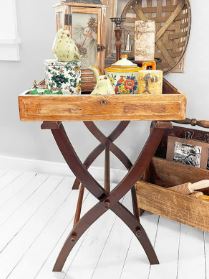
Upcycling often costs less than buying new furniture, especially when using items already available at home. While some projects require tools or materials, the overall investment remains lower than purchasing modern designer pieces. Upcycled furniture for home decor proves that thoughtful design does not depend on high budgets but on creativity and planning.
Evaluating furniture before starting an upcycling project
Structural integrity comes first
Before beginning any transformation, furniture must be structurally sound. Loose joints, severe rot, or extensive insect damage may require professional repair or make the piece unsuitable for upcycling. Academic studies in material durability highlight that solid wood furniture often outlasts engineered alternatives, making it ideal for upcycling projects.
Identifying design potential
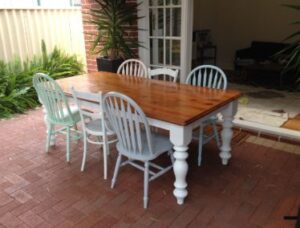
Not every piece suits every style. Assess proportions, lines, and materials. Simple silhouettes adapt more easily to modern aesthetics. This evaluation step ensures that the final result aligns with modern furniture upcycling ideas rather than feeling forced or mismatched.
Preparing furniture safely and correctly
Cleaning and surface preparation
Proper preparation determines the success of any upcycling project. Cleaning removes dirt, grease, and residues that affect finishes. Sanding smooths surfaces and improves paint or stain adhesion. The Occupational Safety and Health Administration emphasises proper ventilation and protective equipment when sanding or stripping finishes to reduce health risks.
Understanding existing finishes and materials
Older furniture may contain finishes that require special handling. Lead based paint, common in furniture produced before the late twentieth century, poses health risks. Government health agencies recommend testing and safe removal methods before refinishing such items.
Design approaches that align with modern decor
Minimalist transformations
Minimalist upcycling focuses on clean finishes, neutral colours, and simple hardware. Removing ornate details and using matte paints or natural wood tones helps older furniture blend into contemporary spaces. These furniture upcycling ideas suit apartments and modern homes where visual clarity matters.
Mixing old forms with new materials
Combining traditional furniture shapes with modern materials creates visual interest. For example, pairing an old wooden table with metal legs introduces contrast while maintaining functionality. Modern furniture upcycling ideas often rely on this balance between heritage and innovation.
Functional upgrades that add value
Adapting furniture for new uses
Upcycling does not require keeping the original function. Dressers can become bathroom vanities, and cabinets can turn into media units. This flexibility aligns with modern living, where multifunctional furniture improves space efficiency. Upcycled furniture for home decor often solves practical problems while adding uniqueness.
Improving ergonomics and usability
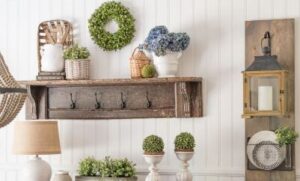
Modern homes prioritise comfort. Adjusting heights, adding soft close mechanisms, or improving storage layouts can make older furniture more user friendly. Design research from housing studies shows that functional comfort significantly affects long term satisfaction with interior spaces.
Colour, texture, and finish choices
Choosing finishes that suit modern interiors
Modern decor favours restrained colour palettes. Whites, greys, muted greens, and natural wood tones dominate contemporary spaces. Using these finishes helps upcycled pieces integrate seamlessly. DIY furniture upcycling projects benefit from testing finishes on small areas before full application.
Using texture to add depth
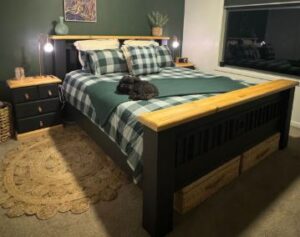
Texture plays a key role in modern design. Natural grain, subtle distressing, or soft matte finishes add character without visual clutter. Interior design research published in academic journals highlights that textured surfaces improve perceived warmth and comfort in living spaces.
Hardware and detailing as design tools
Updating handles and fixtures
Hardware updates offer high impact with minimal effort. Replacing outdated handles with simple, modern designs instantly refreshes furniture. These small changes often define the difference between dated and contemporary appearances in furniture upcycling ideas.
Subtle detailing for a polished look
Details such as edge treatments or leg modifications elevate the final result. Precision matters. Clean lines and consistent finishes reinforce modern aesthetics without unnecessary decoration.
Integrating upcycled furniture into modern homes
Placement and styling considerations
Even well designed furniture needs thoughtful placement. Upcycled pieces should complement surrounding decor rather than dominate it. Balance scale, colour, and spacing to maintain visual harmony. Modern interiors benefit from intentional negative space around statement pieces.
Blending upcycled and new elements
Modern homes often combine old and new elements. Pairing upcycled furniture with contemporary lighting or textiles creates contrast that feels curated. This approach supports cohesive design without uniformity.
Common challenges and how to avoid them
Overcomplicating the design
Adding too many colours, textures, or decorative elements can overwhelm the piece. Simplicity often produces better results. Modern furniture upcycling ideas succeed when restraint guides design choices.
Rushing the process
Upcycling requires patience. Skipping preparation steps or drying times affects durability and appearance. Professional design guidelines stress process discipline as essential for quality outcomes.
Long term care and maintenance
Protecting finishes and surfaces
Also Read: Balcony decor ideas: transform your urban space into a stylish retreat
Proper sealing and regular maintenance extend the life of upcycled furniture. Using appropriate cleaners prevents damage. Research from materials science studies shows that correct finish maintenance significantly increases furniture longevity.
Adapting pieces over time
One advantage of upcycling is flexibility. Pieces can evolve with changing needs or tastes. This adaptability supports sustainable living and long term use.
Conclusion
Upcycling offers more than a creative outlet. It supports sustainability, thoughtful consumption, and personal expression. Upcycling old furniture ideas allow homeowners to transform existing pieces into modern decor that feels intentional and meaningful. By focusing on structure, function, and design clarity, upcycled furniture can rival new pieces while carrying a story that reflects care and creativity.
Frequently asked questions
How do furniture upcycling ideas support sustainable home design
Upcycling reduces waste, limits new material use, and encourages long term ownership. It aligns with sustainable design principles by extending product life cycles while maintaining aesthetic value.
What skills are most useful for DIY furniture upcycling
Basic skills such as sanding, painting, measuring, and assembling are enough for most projects. Learning proper preparation techniques often matters more than advanced tools.
How can upcycled furniture for home decor look modern rather than rustic
Modern finishes, simplified shapes, and updated hardware help older furniture blend into contemporary interiors without appearing overly vintage.
Are modern furniture upcycling ideas suitable for small homes
Yes, multifunctional and space efficient designs work well in small spaces. Upcycling allows custom solutions that fit specific spatial needs.
How do you choose colours for furniture upcycling ideas
Neutral bases with subtle accents work best. Colours should complement existing interiors rather than stand out aggressively.
Can DIY furniture upcycling increase furniture lifespan
Properly executed projects strengthen structure, protect surfaces, and adapt furniture to current use, extending its functional life significantly.
What role does texture play in upcycled furniture for home decor
Texture adds depth and warmth, preventing flat appearances. Balanced textures enhance comfort and visual interest without clutter.
Sources
United States Environmental Protection Agency
Occupational Safety and Health Administration
National Institutes of Health
Environmental Protection Agency household waste statistics
Academic research on interior design and environmental psychology