Decorating a rental home can feel like walking a tightrope. You want it to feel personal, comfortable, and stylish, but you also have to respect lease rules, security deposits, and temporary living arrangements. Many renters learn this balance the hard way by making choices that look good at first but later create stress, cost money, or even risk eviction.
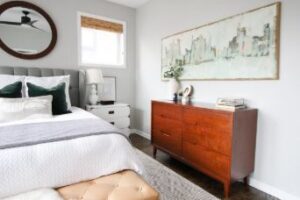
Understanding renting decorating mistakes early helps renters avoid unnecessary repairs, wasted spending, and disappointment when it is time to move out. Research from housing authorities shows that a large portion of tenant deposit disputes arise from avoidable alterations and cosmetic damage. Source United States Department of Housing and Urban Development.
This article explains the most common errors renters make while decorating, why they cause problems, and how to avoid them without sacrificing comfort or personality.
Why decorating a rental is different from decorating a owned home
Renting comes with legal and practical limits. Lease agreements often restrict permanent changes such as drilling, painting, or structural alterations. Ignoring these rules can lead to penalties or forced restoration.
Housing studies show that renters move more frequently than homeowners, which makes flexibility essential. Source United States Census Bureau housing mobility data. Decorating choices must adapt to different layouts, sizes, and rules over time.
The smartest renters focus on reversible design choices. This approach protects deposits and reduces stress during move out inspections.
Not reading the lease before decorating
One of the most common apartment decorating mistakes starts before a single item is bought. Many renters skim their lease and miss specific clauses about walls, fixtures, or flooring.
Lease agreements often clearly state what is allowed and what is not. Some allow painting with approval. Others prohibit any wall modifications. Misunderstanding these rules can result in charges that outweigh any decorative benefit.
Always review decorating related clauses carefully. This simple step prevents many decorating mistakes renters make later.
Painting walls without permission
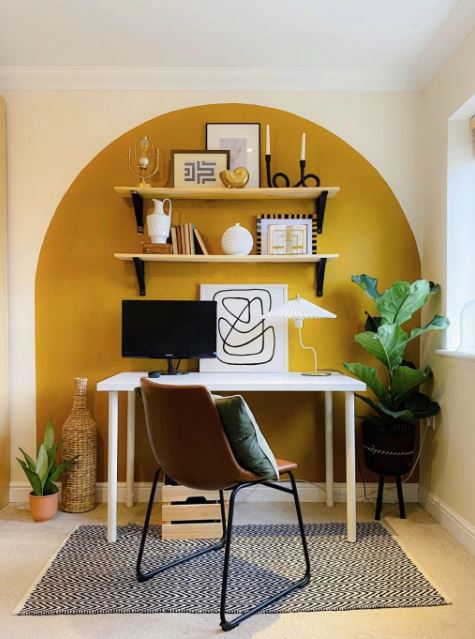
Painting is one of the fastest ways to personalize a space, but it is also one of the riskiest. Unauthorized painting frequently leads to deposit deductions because landlords must restore walls to their original color.
According to housing maintenance guidelines, repainting entire units is one of the most common post move out costs. Source HUD rental maintenance standards.
If painting is allowed, keep records of approval and original paint colors. Otherwise, explore removable wall solutions that do not alter surfaces permanently.
Using nails, screws, and heavy wall anchors
Hanging art and shelves seems harmless, yet wall damage is a leading cause of renter disputes. Large holes, cracked drywall, and torn plaster often require professional repair.
These renter friendly decorating mistakes happen when renters assume small holes do not matter. In reality, landlords often charge for patching and repainting entire wall sections.
Using damage free hanging systems or leaning art against walls reduces risk while still allowing visual interest.
Installing permanent fixtures
Swapping light fixtures, cabinet hardware, or bathroom fittings can quickly cross into forbidden territory. Even if upgrades look better, landlords may view them as unauthorized alterations.
Building standards emphasize that fixtures must meet safety and consistency requirements across rental units. Source International Code Council residential guidelines.
If changes are allowed, store original fixtures carefully and reinstall them before moving out. Forgetting this step is one of the most expensive renting decorating mistakes renters face.
Choosing furniture that does not fit the space
Oversized furniture is a surprisingly common apartment decorating mistake. Large sofas, bulky beds, or deep cabinets can overwhelm smaller rental layouts and restrict movement.
Interior planning research shows that crowded spaces increase stress and reduce perceived comfort. Source American Psychological Association environmental psychology research.
Measure rooms carefully before buying furniture. Choose pieces that can adapt to different layouts in future rentals.
Ignoring lighting limitations
Many rentals have poor lighting, yet renters often overlook this issue or try to fix it incorrectly. Installing new wiring or ceiling fixtures without permission creates safety and legal risks.
Lighting studies show that inadequate lighting affects mood, productivity, and sleep patterns. Source Harvard T H Chan School of Public Health.
Instead of altering electrical systems, use floor lamps, table lamps, and plug in lighting solutions that improve ambiance without violating lease terms.
Over personalizing with permanent decor
Highly specific decor choices such as murals, themed walls, or built in displays may feel expressive but rarely translate well to future homes.

This is one of the decorating mistakes renters make when they forget the temporary nature of renting. Removing these elements later often causes damage or requires costly repairs.
Focus on movable decor like textiles, art, and accessories that can travel with you.
Forgetting storage needs
Renters often prioritize appearance over practicality. As a result, clutter builds up quickly due to limited storage.
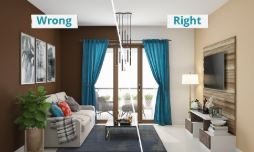
Housing studies show that cluttered living environments increase stress and reduce satisfaction with the home. Source UCLA Center on Everyday Lives of Families.
Ignoring storage is one of the most common apartment decorating mistakes because it undermines both function and aesthetics. Multi use furniture and closed storage solutions help maintain order.
Blocking natural light
Covering windows with heavy curtains, furniture, or decor can make rental spaces feel smaller and darker.
Research confirms that access to natural light supports mental wellbeing and circadian rhythms. Source National Institutes of Health environmental health research.
Lightweight window treatments and thoughtful furniture placement preserve brightness while respecting rental restrictions.
Spending too much on fixed solutions
Investing heavily in custom built furniture or fitted storage rarely makes sense for renters. These pieces often cannot be reused and may not fit future homes.
Financial behavior studies show that flexible spending choices reduce regret and waste. Source Consumer Financial Protection Bureau educational resources.
This mistake falls under things renters should not do when decorating because it ties money to a space you do not own.
Misunderstanding what renter friendly actually means
Many renters assume that anything labeled temporary or removable is safe. In reality, some adhesives damage paint or leave residue.
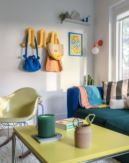
Always test products in hidden areas first. Misusing removable products is one of the less discussed renter friendly decorating mistakes that still lead to charges.
Careful testing prevents unpleasant surprises during move out inspections.
Skipping documentation
Before decorating, renters should document the condition of walls, floors, and fixtures. After decorating, they should document again.
Tenant rights organizations emphasize documentation as a key tool in deposit dispute prevention. Source Legal Aid housing guidance publications.
Failing to do this leaves renters vulnerable even when damage existed before move in.
Decorating without considering move out
Many decorating decisions feel harmless until move out day arrives. Removing wall items, patching holes, and restoring original conditions can be stressful and expensive.
This is why thinking ahead is essential when learning about renting decorating mistakes. A good rule is simple. If it cannot be easily undone, rethink it.
Sustainable decorating choices for renters
Renters can decorate sustainably by choosing reusable, durable items and avoiding disposable decor trends.
Environmental research links reduced consumption with lower waste and environmental impact. Source United Nations Environment Programme.
Sustainability aligns naturally with renter friendly decorating because it prioritizes longevity and adaptability.
How to decorate safely while still expressing personality
Avoiding mistakes does not mean living in a bland space. Personal style can shine through color palettes, textiles, art, and layout choices.

Soft furnishings, plants, lighting, and movable decor create warmth without permanence. These choices respect lease rules while supporting comfort and identity.
Understanding things renters should not do when decorating helps redirect creativity toward safer alternatives.
A smarter decorating mindset for renters
The best decorated rentals share one thing in common. Intentional choices.
Also Read: Narrow room decorating ideas that actually make tight spaces feel wider and calmer
Instead of asking how to change the space, ask how to work with it. This mindset reduces frustration and prevents common apartment decorating mistakes from happening in the first place.
Decorating becomes easier when flexibility is the goal, not perfection.
Conclusion
Renting does not have to limit comfort or self expression, but it does require awareness. Understanding renting decorating mistakes helps renters avoid unnecessary costs, stress, and conflict with landlords.
By recognizing decorating mistakes renters make, avoiding renter friendly decorating mistakes that are not truly safe, and steering clear of things renters should not do when decorating, it becomes possible to create a home that feels personal without risking damage. With thoughtful, reversible choices, even common apartment decorating mistakes can be avoided, allowing renters to enjoy their space with confidence and peace of mind.
FAQs
1. Why do rental decoration mistakes often show up only at move out
Many renting decoration mistakes seem harmless during everyday living but become visible during final inspections. Small wall holes, paint touch ups, adhesive marks, or fixture changes often go unnoticed until the space is emptied. Landlords evaluate rentals against original condition, not lived in condition. This is why common apartment decorating mistakes frequently result in deposit deductions. Thinking ahead and documenting changes early helps renters avoid last minute surprises and disputes.
2. Are decorating mistakes renters make different in older apartments
Yes, older apartments often magnify decorating mistakes renters make because walls, wiring, and fixtures are more fragile. Plaster walls crack more easily than drywall, and outdated electrical systems may not support lighting changes. Even renter friendly decorating mistakes like removable hooks can damage older paint. Renters in older buildings should prioritize lightweight decor, avoid moisture heavy installations, and be especially cautious with adhesives and wall pressure to prevent irreversible damage.
3. How do emotional decorating choices become things renters should not do when decorating
Emotional decisions often lead to things renters should not do when decorating, such as impulsive painting, drilling, or buying custom pieces that cannot move. These choices usually happen when renters try to quickly feel settled. However, emotional decor decisions ignore lease rules and long term flexibility. Slowing down and living in the space first helps renters understand what actually improves comfort without creating future repair or relocation problems.
4. Can renter friendly decorating mistakes affect landlord relationships
Yes, renter friendly decorating mistakes can strain landlord relationships even if damage seems minor. Residue from adhesives, uneven paint touch ups, or missing original fixtures can signal carelessness. This may affect lease renewals, reference checks, or negotiation flexibility. Clear communication, written permission for changes, and restoring the unit properly show responsibility. Maintaining trust is often just as important as avoiding physical damage when decorating a rental.
5. Why are storage related common apartment decorating mistakes overlooked
Storage issues are common apartment decorating mistakes because renters focus on visual style before daily function. When storage is ignored, clutter builds up and renters resort to makeshift solutions that damage walls or floors. Over time, this leads to stress and visual chaos. Planning storage early using movable shelves, under bed solutions, and closed units helps maintain order without altering the apartment or violating lease terms.
6. How does lighting contribute to decorating mistakes renters make
Lighting often causes decorating mistakes renters make because renters underestimate its impact. Installing permanent fixtures or altering wiring without permission creates safety risks and lease violations. Poor lighting also affects mood, sleep, and productivity. Instead of altering electrical systems, renters can layer floor lamps, table lamps, and plug in lighting to improve ambiance. This approach respects rental rules while addressing one of the most overlooked design problems.
7. What mindset shift prevents most renting decorating regrets
The most effective way to avoid renting decoration mistakes is shifting from ownership thinking to temporary stewardship. Renters who treat the space as flexible rather than permanent make better decisions. This mindset reduces over customization, unnecessary spending, and risky alterations. Understanding that decor should adapt to future homes helps renters avoid common apartment decorating mistakes while still creating a space that feels comfortable, personal, and easy to restore at move out.