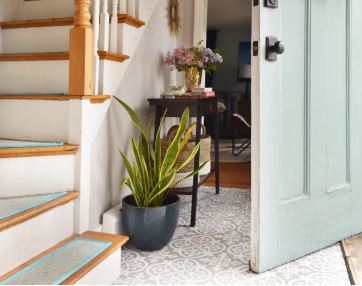
The entryway may be the smallest area in a home, but it carries an outsized role. It sets the tone for everything that follows, both visually and functionally. When square footage is limited, decorating this space can feel restrictive. That is where entryway decor ideas for small spaces become especially valuable. With thoughtful planning, smart storage, and a few proven design principles, even the narrowest entry can feel organized, welcoming, and intentional. This article breaks down practical, research supported strategies that help small entryways work harder without feeling crowded or decorative for decoration’s sake.
Why entryways matter more in small homes
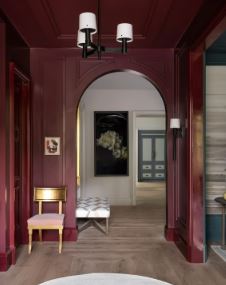
In compact homes and apartments, the entryway often serves multiple purposes. It acts as a transition zone, a storage area, and sometimes even a visual divider between rooms. Studies in environmental psychology consistently show that cluttered entrances increase stress and create a negative first impression. A well designed entryway, even a tiny one, helps establish order and signals comfort the moment someone walks in.
Small homes also lack excess storage. This makes the entryway one of the most important organizational zones. When designed well, it reduces daily friction by keeping frequently used items accessible while preventing mess from spreading into the living space.
Understanding spatial limits before decorating
Measuring and observing how the space is used
Before adding furniture or decor, it is essential to understand the actual dimensions and traffic flow. Many entryways fail not because of poor style choices, but because items block movement. Observational studies on residential ergonomics highlight that clear walking paths improve usability and perceived space. Measure wall widths, door swing clearance, and floor depth before planning any layout.
Identifying functional priorities
Every entryway needs to support basic functions. These usually include storing shoes, hanging outerwear, placing keys, and offering a quick visual check before leaving. Listing these needs first prevents decorative clutter later. Once core functions are covered, aesthetic elements can be layered in without compromising usability.
Layout strategies that make small entryways feel larger
Using vertical space effectively
Vertical design plays a crucial role in small interiors. Research in interior spatial perception shows that vertical elements draw the eye upward, making spaces feel taller and more open. Wall mounted hooks, slim shelving, and narrow cabinets use height instead of floor space. This approach is central to many compact entryway design tips because it preserves walking room.
Keeping the floor visually open
Avoid bulky furniture that sits directly on the floor. Floating shelves, wall mounted benches, or furniture with visible legs allow light to move freely. This visual openness reduces the boxed in feeling that small entryways often create.
Storage solutions designed for limited space
Closed versus open storage
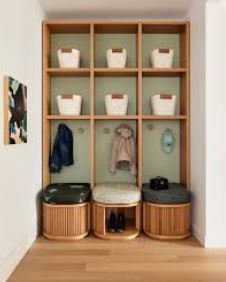
Open storage offers convenience, but it also exposes clutter. Closed storage, even in small amounts, helps maintain visual calm. Research from organizational psychology shows that concealed storage reduces cognitive overload. A combination of closed cabinets for shoes and open hooks for daily items offers balance.
Modular and adaptable storage
Modular systems allow flexibility as needs change. Stackable cubbies, adjustable shelving, and multi use furniture adapt well to evolving routines. These principles form the foundation of effective small space entryway storage solutions, especially in rentals or shared homes.
Furniture choices that support movement and function
Slim profile furniture works best
Depth matters more than width in small entryways. Slim console tables, narrow benches, and shallow cabinets provide surface and storage without obstructing movement. Residential design studies emphasize that furniture depth under 12 inches significantly improves circulation in tight spaces.
Seating without bulk
If seating is needed, choose benches with built in storage or fold down seats mounted to the wall. These options provide function without adding visual weight. Avoid upholstered seating unless the space allows easy cleaning and airflow.
Lighting that enhances space and safety
Layered lighting for clarity and warmth
Entryways often lack natural light. Poor lighting makes spaces feel smaller and less welcoming. Research from lighting design associations confirms that layered lighting improves spatial clarity. A combination of overhead lighting and wall sconces or plug in lamps provides both visibility and warmth.
Reflective surfaces to amplify light
Mirrors are more than decorative accents. Studies on light reflection show that mirrors can significantly increase perceived brightness in enclosed areas. Placing a mirror opposite a light source doubles its effect while also serving a practical purpose.
Wall decor that adds character without clutter
Limiting visual noise
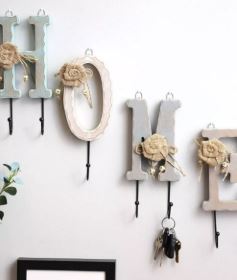
Small spaces benefit from restraint. Instead of multiple small pieces, choose one or two impactful wall elements. A single framed print or a narrow gallery arrangement creates interest without chaos. This principle appears often in small entryway decorating ideas because it balances personality with order.
Functional decor elements
Decor that also serves a function earns its place. Decorative hooks, wall mounted mail organizers, and key holders reduce surface clutter while contributing to the overall look. Functional decor aligns with research on minimal environments, which links reduced clutter to improved focus.
Flooring and rugs for small entryways
Choosing the right rug size and material
Rugs define the entry zone, but incorrect sizing can shrink the space visually. Interior design research recommends rugs that allow doors to open freely while covering enough area to anchor the space. Durable, low pile materials work best in high traffic zones.
Using flooring contrast wisely
If the entryway opens directly into another room, subtle contrast helps define the space. This can be achieved with rugs or changes in texture rather than permanent flooring alterations, which are often impractical in small homes.
Color choices that expand visual space
Light tones and controlled contrast
Light colors reflect more light and create openness. Neutral palettes with controlled contrast keep the entryway from feeling flat. Design studies show that spaces using two to three coordinated tones feel more cohesive and larger than those with many competing colors.
Accent colors with intention
Accent colors should guide the eye, not overwhelm it. A single accent through artwork, a rug border, or storage bins provides personality while maintaining balance. This approach supports
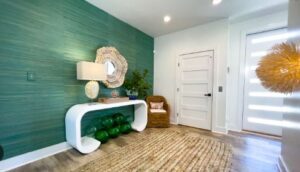
by relying on color strategy rather than expensive materials.
Budget conscious design without sacrificing quality
Prioritizing impact over quantity
Budget limitations often improve decision making. Instead of multiple small decor items, invest in one or two pieces that solve real problems. Research on consumer behavior shows that fewer, higher quality items increase long term satisfaction.
Repurposing and adapting existing items
Furniture from other rooms can often be adapted for entry use. A narrow bookshelf can become shoe storage. A wall shelf can act as a console. These approaches are common in entryway decor ideas on a budget because they reduce the need for new purchases.
Common mistakes to avoid in small entryways
Overfurnishing the space
Adding too many pieces quickly overwhelms a small area. Circulation studies consistently show that blocked pathways reduce usability and increase frustration. Every item should earn its place through function or impact.
Ignoring daily routines
Design should support how people actually live. If shoes pile up daily, storage is insufficient. If keys go missing, placement is wrong. Observing habits leads to better long term solutions than following trends alone.
Adapting entryway design for apartments and rentals
Reversible and non damaging solutions
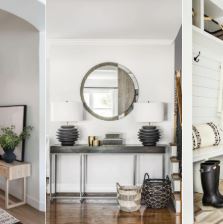
Renters often face restrictions on drilling and permanent changes. Adhesive hooks, tension rods, and freestanding storage offer flexibility. These options align well with compact entryway design tips focused on adaptability.
Designing for future moves
Choosing modular and portable pieces ensures that investments remain useful in future homes. This forward thinking approach reduces waste and saves money over time.
Creating a welcoming emotional impact
First impressions and psychological comfort
The entryway is the emotional handshake of a home. Environmental psychology research shows that organized, well lit entrances improve mood and create a sense of control. Small touches like a plant, artwork, or warm lighting humanize the space.
Personalization without clutter
Personal items such as photos or meaningful objects should be used sparingly. One personal element makes a stronger statement than many competing ones. This principle supports long term satisfaction and visual clarity.
Bringing it all together with intention
A successful small entryway balances function, movement, and visual calm. By focusing on layout first, storage second, and decor last, homeowners and renters can avoid common pitfalls. Many proven entryway decor ideas for small spaces rely not on size, but on thoughtful planning and restraint. When design decisions align with daily habits, even the smallest entry becomes efficient and welcoming.
Conclusion
Designing an entryway with limited square footage requires clarity, not compromise. When approached with purpose, entryway decor ideas for small spaces can deliver both beauty and function without excess. By applying smart layout principles, choosing adaptable storage, and decorating with intention, small entryways can feel organized, calm, and genuinely inviting. The most effective solutions respect how people move, store, and live, proving that good design does not depend on size, but on thoughtful choices.
Sources and references
U.S. Department of Housing and Urban Development
American Psychological Association environmental and spatial psychology resources
National Institutes of Health studies on built environments
U.S. Environmental Protection Agency indoor environment guidance
Lighting Research Center at Rensselaer Polytechnic Institute
FAQs
What small entryway decorating ideas work best when there is no defined foyer area?
Small entryway decorating ideas become especially important when a home opens directly into a living room or hallway. In such cases, visual zoning matters more than physical separation. Using a narrow rug, a slim console, or a wall-mounted shelf helps define the entry without enclosing it. Mirrors and vertical hooks create structure while keeping the floor clear. These approaches allow the entry area to feel intentional rather than accidental, which improves daily organization and maintains visual flow in compact layouts.
How do compact entryway design tips help prevent clutter from spreading into the home?
Compact entryway design tips focus on controlling clutter at the point of entry, where it usually begins. By assigning clear storage zones for shoes, bags, and keys, items are less likely to travel into other rooms. Vertical storage and concealed compartments reduce visual mess, while open hooks support daily habits. This design approach aligns storage with behavior, making organization easier to maintain over time instead of relying on constant tidying.
What small space entryway storage solutions are most effective for households with limited closet space?
Small space entryway storage solutions are especially valuable when closets are minimal or nonexistent. Wall-mounted cabinets, shoe drawers, and modular cubbies provide targeted storage without taking up floor area. Storage benches with lift-up lids offer seating while hiding bulk items. Over-the-door organizers and vertical racks also make use of overlooked surfaces. These solutions focus on accessibility and containment, helping entryways function as primary storage zones rather than overflow areas.
How can entryway decor ideas on a budget still look intentional and well-designed?
Entryway decor ideas on a budget succeed when design decisions are guided by purpose rather than trends. Limiting the color palette, repeating materials, and choosing multifunctional pieces creates visual cohesion without high costs. Budget-friendly decor works best when fewer items are selected for higher impact, such as one mirror instead of multiple wall pieces. This approach reduces clutter, improves durability, and ensures that even low-cost elements feel deliberate rather than temporary.
What are overlooked compact entryway design tips that improve daily routines?
Many compact entryway design tips focus on aesthetics, but daily routines benefit more from strategic placement. Positioning hooks at natural reach height, placing shoe storage near seating, and keeping key trays close to the door reduce friction during entry and exit. Lighting placed near storage zones improves visibility and safety. These practical considerations often receive less attention, yet they significantly improve usability and long-term satisfaction in small entry spaces.
How do small entryway decorating ideas differ for apartments versus standalone homes?
Small entryway decorating ideas for apartments often prioritize reversibility and adaptability. Freestanding furniture, adhesive hooks, and modular storage suit rental restrictions while remaining flexible for future moves. Standalone homes may allow more built-in solutions, but compact design principles still apply. In both cases, the focus remains on circulation, vertical storage, and visual clarity. The key difference lies in choosing solutions that respect lease terms while still meeting everyday storage needs.
Why are small space entryway storage solutions important for maintaining visual calm in compact homes?
Small space entryway storage solutions directly influence how calm or chaotic a home feels. Entryways act as visual gateways, and clutter in this area creates immediate mental overload. Closed storage, consistent materials, and clearly defined zones reduce visual noise. Research in environmental psychology links organized entry spaces with reduced stress and improved perception of control. Thoughtful storage design therefore supports not only organization, but also emotional comfort in compact living environments.