Designing a child’s room inside an apartment often feels like balancing imagination with reality. Children want colour, character, and freedom to play, while parents must work within limited space, shared walls, and practical constraints. This is where kids room decor ideas become far more than visual inspiration. They shape how children rest, learn, play, and grow within the boundaries of a compact home.
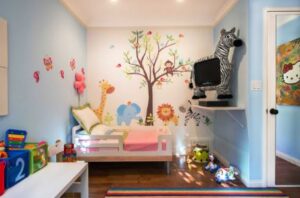
Apartment living has become common across urban regions worldwide. Reports from the United Nations Department of Economic and Social Affairs show a steady rise in families living in multi unit housing. This shift has changed how children interact with their personal spaces. A bedroom is no longer just a place to sleep. It often becomes a classroom, a play zone, and a quiet retreat, all within a single room.
This guide focuses on thoughtful, evidence based approaches to designing children’s rooms in apartments. The emphasis stays on comfort, adaptability, and emotional security rather than trends or excessive decoration. Every idea discussed here is grounded in real research, child development principles, and practical interior planning strategies.
Understanding how children use space in apartment homes
Why children’s rooms matter more in apartments
In apartments, shared living areas often serve adults more than children. As a result, the bedroom becomes the only truly personal space for a child. Environmental psychology research published by academic institutions highlights that children benefit emotionally when they have a space that reflects their identity and offers a sense of control.
Well planned rooms support independence and emotional regulation. Even small changes in layout, colour, or storage can improve focus and reduce overstimulation. This makes intentional kids bedroom decor ideas especially important in apartments where space limitations can otherwise feel restrictive.
How room design affects child development
Research from child development studies consistently shows that organised environments support better concentration and emotional stability. Overcrowded or chaotic rooms can increase stress and reduce play quality. A balanced room layout helps children transition smoothly between activities like studying, resting, and creative play.
In apartment settings, where outdoor access may be limited, the bedroom often becomes a primary play environment. Design choices therefore influence not just comfort, but developmental well being.
Planning a kids room with space, growth, and routine in mind
Designing around daily activities instead of furniture
The most effective room layouts begin with activities rather than objects. Children sleep, read, study, play, and store belongings in the same room. Defining these zones visually or functionally prevents clutter from spreading across the space.
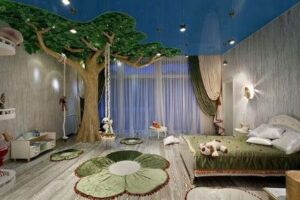
This planning approach naturally leads to better small apartment kids room ideas because each element earns its place. Furniture and decor choices support routines rather than compete for attention.
Allowing flexibility as children grow
Children’s needs change quickly. Early childhood spaces focus on play and safety, while older children need study areas and personal expression. Research from educational design studies shows that adaptable environments support smoother developmental transitions.
Neutral base elements combined with adjustable storage and removable decor allow rooms to evolve without constant redesign. This approach also reduces waste and supports sustainability goals promoted by global environmental research organisations.
Colour, light, and visual balance in compact kids rooms
Choosing colours that support calm and creativity
Colour psychology research indicates that softer, balanced palettes help regulate energy levels. Bright colours can stimulate creativity but may overwhelm small rooms if overused. Using one or two accent colours alongside neutral backgrounds creates visual interest without clutter.
Natural light also plays a critical role. Studies published in architectural and health research highlight that daylight exposure supports better sleep patterns and mood regulation in children. Keeping window areas clear and using reflective surfaces helps maximise available light.
Managing visual clutter in small rooms
Visual clutter affects children more strongly than adults. Too many patterns, toys, or decorative elements can reduce focus. Storage solutions that hide items while keeping them accessible support emotional balance.
This balance is central to successful creative kids room design ideas, where imagination thrives within a structured environment rather than a chaotic one.
Furniture choices that support function and comfort
Prioritising scale and proportion
Children’s furniture must fit both the child and the room. Oversized beds or bulky wardrobes quickly overwhelm apartment bedrooms. Interior design research shows that properly scaled furniture improves movement flow and perceived room size.
Low profile beds, slim desks, and vertical storage help maintain openness. Raised furniture bases also allow light and sightlines to pass underneath, which improves visual spaciousness.
Multifunctional furniture for apartment living
Furniture that serves multiple purposes reduces the need for extra items. Beds with built in storage, desks that fold away, and seating that doubles as toy storage help maintain order.
These choices align well with modern kids bedroom decor ideas, where functionality supports creativity rather than limiting it.
Creating themes without overwhelming small spaces
Using subtle children’s bedroom themes effectively
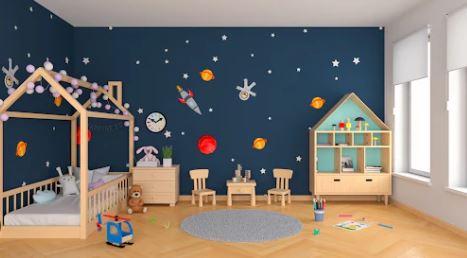
Themes help children feel emotionally connected to their rooms. However, heavy themed furniture or wall to wall graphics can dominate small spaces. Research in interior perception suggests that subtle references work better than literal interpretations.
Using themed artwork, bedding, or removable wall elements allows children to enjoy their interests without locking the room into a single identity. This approach also makes updates easier as preferences change.
Encouraging imagination through flexible decor
Open ended decor elements encourage imaginative play more effectively than fixed themes. Educational research supports environments that invite creativity rather than dictate narratives.
This strategy fits naturally within children’s bedroom themes that focus on exploration, learning, and self expression.
Storage strategies that keep small kids rooms organised
Teaching organisation through design
Storage design influences behaviour. When children can easily access and return items, tidiness becomes part of routine rather than a constant battle. Child psychology research highlights that visible, clearly defined storage supports independence.
Open bins, labelled shelves, and low drawers encourage responsibility while maintaining order.
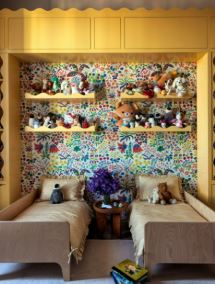
Vertical storage and wall solutions
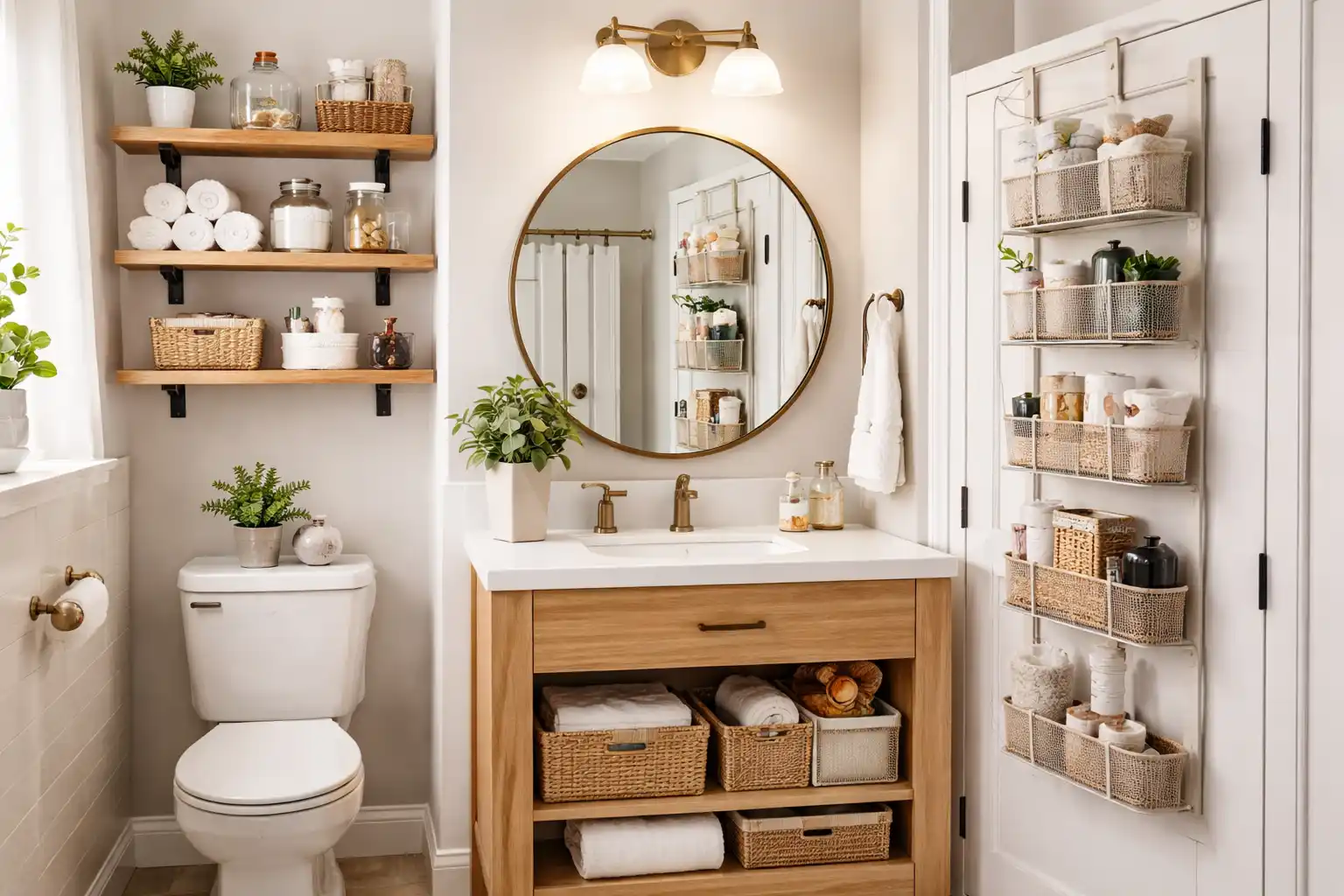
Wall based storage maximises limited floor space. Shelving, pegboards, and hanging organisers keep essentials accessible without crowding play areas. Ergonomic studies confirm that vertical storage improves efficiency when designed at child appropriate heights.
These solutions are particularly valuable in small apartment kids room ideas, where every square metre matters.
Balancing safety, comfort, and creativity
Safety considerations in apartment bedrooms
Apartment living introduces specific safety concerns such as limited emergency exits and shared walls. Research from housing safety organisations emphasises the importance of stable furniture, rounded edges, and secure wall attachments.
Non toxic materials and breathable fabrics also support healthy indoor environments, especially in rooms where children spend extended periods.
Emotional comfort and personal identity
Children need spaces that feel safe and personal. Studies in developmental psychology show that personalised environments support emotional security and self esteem. Displaying children’s artwork or achievements strengthens their sense of belonging.
This emotional layer elevates creative kids room design ideas beyond aesthetics into meaningful spaces.
Sustainability and long term value in kids room decor
Choosing durable and adaptable elements
Children’s rooms experience heavy use. Durable materials and timeless designs reduce the need for frequent replacements. Sustainability research from global institutions highlights product longevity as a key environmental factor.
Also Read: Removable wall decor for renters that transforms blank walls without breaking lease rules
Adaptable decor also reduces waste by extending usability across age stages.
Supporting environmentally responsible choices
Using fewer, higher quality items aligns with sustainable living principles. This approach also teaches children the value of thoughtful consumption through everyday experience.
Conclusion
Designing a child’s room in an apartment requires intention, empathy, and flexibility. When approached thoughtfully, kids room decor ideas can transform small spaces into supportive environments that nurture growth, creativity, and emotional well being. The most successful rooms balance function with imagination, structure with freedom, and practicality with warmth.
By focusing on adaptability, proportion, and emotional comfort, apartment living becomes an opportunity rather than a limitation. A well designed children’s room does not need more space. It needs better choices.
Sources and references
United Nations Department of Economic and Social Affairs
World Health Organization housing and indoor environment research
Harvard Graduate School of Design child focused interior studies
MIT urban housing and spatial design research
American Psychological Association environmental psychology resources
UN Environment Programme sustainability publications
Frequently asked questions
How do kids bedroom decor ideas support learning in small rooms?
Kids bedroom decor ideas support learning by creating structured zones that separate study from play and rest. Educational environment research shows that visual organisation improves concentration and task completion. When furniture, lighting, and storage are arranged intentionally, children experience fewer distractions. Small rooms benefit greatly from this clarity because boundaries help children mentally shift between activities, even when physical space is limited. Thoughtful decor encourages positive study habits without requiring additional square footage.
What makes children’s bedroom themes suitable for apartments?
Children’s bedroom themes work best in apartments when they remain flexible and visually light. Instead of permanent installations, themes can appear through artwork, textiles, and removable elements. Interior design research suggests that subtle thematic cues support imagination without overwhelming limited space. This approach allows children to enjoy personal interests while preserving visual balance and making future updates simple as preferences evolve.
Why are small apartment kids room ideas different from house layouts?
Small apartment kids room ideas differ because apartments limit structural changes and shared space use. Research in urban housing design shows that compact homes require multifunctional zones and efficient storage. Children’s rooms often serve multiple purposes, including study, play, and rest. Design strategies must therefore prioritise adaptability, movement flow, and noise management, which are less critical in larger detached homes.
How do creative kids room design ideas encourage imagination?
Creative kids room design ideas encourage imagination by offering open ended elements rather than fixed narratives. Child development studies highlight that flexible environments support deeper imaginative play. Neutral backgrounds paired with adaptable decor allow children to invent stories rather than follow predefined themes. This approach fosters creativity while maintaining order, which is especially important in limited apartment spaces.
Can kids bedroom decor ideas help reduce clutter?
Kids bedroom decor ideas reduce clutter by integrating storage into everyday furniture and encouraging organisation through accessibility. Psychological research links visible clutter to increased stress, even in children. When storage is intuitive and child friendly, children participate in maintaining order. This leads to calmer rooms that support both play and relaxation.
How do children’s bedroom themes affect emotional security?
Children’s bedroom themes contribute to emotional security by reflecting personal interests and identity. Developmental psychology research shows that personalised environments help children feel valued and understood. When themes remain flexible, children experience comfort without feeling restricted. This balance supports emotional stability and self expression within apartment living constraints.
Why are creative kids room design ideas important for long term use?
Creative kids room design ideas support long term use by allowing rooms to evolve with the child. Adaptable layouts and decor reduce the need for frequent redesigns. Sustainability and housing research emphasise adaptability as essential in compact living. When creativity is built into flexible systems, children’s rooms remain functional and emotionally relevant across multiple growth stages.