Decorating your home does not have to feel intimidating expensive or overly technical. Many people delay personalising their space because they assume it requires advanced skills professional tools or a big budget. The truth is that easy DIY home decor allows almost anyone to create a warm expressive environment with minimal experience and manageable effort. With the right approach even first time creators can turn simple materials into meaningful design elements.
DIY culture has grown alongside research showing that hands on creative activities improve well being focus and confidence. Studies from academic institutions that examine creative engagement consistently highlight how small achievable projects reduce stress and increase a sense of control over personal spaces. That makes beginner friendly decor projects not just practical but emotionally rewarding as well.
This article walks you through approachable projects principles and techniques that help you start strong without frustration. Everything here focuses on clarity safety affordability and realistic outcomes so you can enjoy the process as much as the result.
Why beginner friendly DIY decor matters more than ever
Modern homes serve many roles. They are workspaces rest areas and social environments all at once. Interior design research published by well established academic journals shows that people feel more comfortable and productive in spaces they have personally shaped. DIY decor projects for beginners support this need by removing barriers to entry and encouraging experimentation without fear of failure.
Another reason for their popularity lies in accessibility. Rising housing costs and smaller living spaces have pushed people to find creative ways to improve interiors without permanent renovations. Simple DIY home decor ideas often rely on reusable materials and reversible changes which align well with rental living and frequent moves.
There is also a sustainability angle. Environmental studies from government backed research bodies note that repurposing and upcycling household items reduces waste and resource consumption. Beginner DIY projects frequently reuse what is already available making them both economical and environmentally responsible.
Setting realistic expectations before you begin
Before starting any project it helps to understand what beginner level really means. It does not mean careless or low quality. It means choosing projects that rely on basic skills repetition and clear steps. According to educational research on skill acquisition small wins early in the learning process increase long term motivation.
Start with projects that require limited tools such as scissors measuring tape glue or basic hand tools. Avoid anything that involves complex electrical work structural changes or specialised machinery. This approach keeps frustration low and success rates high.
Time management matters too. Short projects that can be completed in one or two sessions fit better into busy schedules. Completing a project quickly provides visible results which reinforces confidence and encourages continued creativity.
Understanding materials commonly used in beginner projects
Materials play a major role in how approachable a project feels. Cardboard paper fabric wood offcuts and glass jars are commonly used in beginner decor because they are forgiving and easy to work with. Material science research explains that softer materials allow for minor mistakes without compromising structural integrity.
Paints and finishes deserve special attention. Water based paints are widely recommended by public health and environmental agencies because they produce fewer fumes and clean up easily. Adhesives designed for household use often provide strong bonding without requiring advanced application techniques.
Choosing the right materials reduces risk and improves outcomes. It also builds familiarity which makes future projects feel less daunting.
Simple wall based projects that build confidence
Walls offer a large canvas for creativity but beginner projects should focus on lightweight decorative elements rather than heavy installations. Easy DIY room decor often includes framed prints fabric hangings or paper based art that can be assembled on a table before being displayed.
Research from interior design education resources highlights that visual balance matters more than complexity. Symmetry repetition and consistent colour palettes create polished results even when the components are simple. This principle helps beginners achieve professional looking outcomes with minimal effort.
Creating wall art using stencils pressed leaves or geometric cutouts introduces basic design concepts without technical difficulty. These projects also allow for personal expression which increases satisfaction.
Tabletop and surface decor for instant impact
Tables shelves and counters provide ideal opportunities for beginner friendly decor. These surfaces allow experimentation without commitment since items can be moved or adjusted easily. Budget DIY decor ideas often focus on centerpieces trays or small sculptural elements made from repurposed materials.
Studies on spatial perception show that small decorative objects influence how a room feels more than people expect. A single thoughtfully styled surface can anchor an entire space visually. That makes tabletop projects particularly rewarding for beginners.
Popular beginner projects include painted jars fabric wrapped containers and layered arrangements using books and natural elements. These require minimal precision and allow room for improvisation.
Lighting projects that feel creative but stay safe
Lighting plays a crucial role in home ambiance but safety should always come first. Beginner projects should avoid electrical rewiring or modifications. Instead focus on decorative elements that interact with existing light sources.
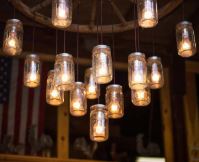
Educational resources from public safety organisations stress that enclosed flames and certified lighting products reduce fire risk. Using LED string lights inside glass containers or around frames creates visual interest without heat concerns.
Shades and covers made from paper fabric or thin wood can transform the look of lamps while keeping original wiring intact. These projects introduce beginners to proportion and texture without technical complexity.
Textile based decor for warmth and texture
Textiles offer one of the most forgiving entry points into DIY decor. Fabric can be cut folded layered and adjusted easily. Research from design psychology studies shows that soft textures increase perceived comfort and emotional warmth in living spaces.
Easy DIY home decor projects using textiles include pillow covers table runners and wall hangings. These items rely on straight cuts basic stitching or even no sew techniques. Adhesive fabric tapes and simple knots replace advanced sewing skills.
Textile projects also encourage reuse. Old clothing curtains or linens can become decor pieces giving them a second life while reducing waste.
Storage focused projects that combine function and style
Functional decor appeals strongly to beginners because it solves everyday problems. Simple storage solutions such as decorative boxes baskets or organisers provide visible benefits beyond aesthetics.
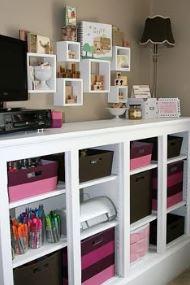
Studies from ergonomics and home organisation research highlight that visual order reduces cognitive load and stress. DIY storage projects contribute to both mental clarity and physical organisation.
Beginner friendly storage decor often uses cardboard wooden crates or fabric bins. Decorating these items with paint paper or wraps allows personalisation without affecting usability.
Learning design basics through hands on projects
DIY decor is not just about making objects. It teaches design fundamentals through practice. Concepts like scale contrast balance and rhythm become intuitive when applied directly.
Educational research in art and design shows that experiential learning leads to better retention than passive observation. By creating decor pieces beginners internalise design principles naturally.
This learning process makes future projects easier. What starts as simple DIY home decor ideas gradually builds into a personal design language.
Budget planning and cost control for beginners
One of the biggest fears around DIY projects is hidden cost. Beginner projects should always start with a clear budget. Government consumer education resources recommend listing materials before purchasing and prioritising reuse.
Budget DIY decor ideas often rely on items already available at home. Glass containers scrap wood and leftover paint reduce spending while encouraging creativity. Setting a small spending limit also pushes problem solving which enhances skill development.
Tracking costs helps beginners understand value. It shows that meaningful decor does not require high expenditure only thoughtful execution.
Common beginner mistakes and how to avoid them
Mistakes are part of learning but some can be avoided with awareness. Overcomplicating designs is a frequent issue. Research on beginner learning curves shows that simpler projects lead to higher completion rates.
Another common mistake is rushing. Allowing paint to dry fully or adhesive to cure prevents structural issues. Following instructions carefully improves durability and appearance.
Ignoring measurements also causes frustration. Simple measuring tools and patience prevent misalignment and wasted materials. These habits form a strong foundation for future projects.
How DIY decor supports long term creativity
Easy DIY home decor is not a one time activity. It builds confidence that extends into other areas of life. Studies on creative self efficacy show that small creative successes increase willingness to try new skills.
As beginners gain experience they begin to adapt projects rather than follow instructions exactly. This shift marks the transition from imitation to creativity. It also keeps the process enjoyable and personal.
Also Read: Affordable home decor ideas that prove good design does not need a big budget
Over time DIY decor becomes a sustainable habit rather than a task. It allows spaces to evolve alongside their occupants.
Conclusion
Easy DIY home decor empowers beginners to shape their living spaces with confidence creativity and control. By starting with simple materials clear steps and realistic expectations anyone can achieve meaningful results. These projects support well being sustainability and personal expression without requiring advanced skills or large budgets. When approached thoughtfully DIY decor becomes more than a trend. It becomes a practical and rewarding way to feel truly at home.
Authoritative sources and informational references
United States Department of Housing and Urban Development
National Institute of Building Sciences
Centers for Disease Control and Prevention Healthy housing resources
National Park Service Preservation briefs and materials guidance
Journal of Interior Design Wiley Online Library
Smithsonian Institution Conservation and materials science
Frequently asked questions
How do DIY decor projects for beginners help build confidence over time
DIY decor projects for beginners create a learning loop where small successes reinforce motivation. Completing a project from start to finish improves problem solving skills and reduces fear of making mistakes. Over time this confidence transfers to more complex creative tasks and encourages experimentation without anxiety.
What makes simple DIY home decor ideas more effective than complex ones
Simple DIY home decor ideas succeed because they focus on clarity and repetition. They allow beginners to master basic techniques before adding complexity. Research in skill development shows that mastering fundamentals leads to better long term outcomes than attempting advanced tasks too early.
How can easy DIY room decor improve daily living
Easy DIY room decor improves daily living by creating a sense of ownership and comfort. Personalised spaces support emotional well being and reduce stress. Even small decorative changes influence mood and productivity by making environments feel intentional and cared for.
Are budget DIY decor ideas suitable for long term use
Budget DIY decor ideas can last long term when materials are chosen thoughtfully. Using durable finishes proper adhesives and basic maintenance extends lifespan. Many low cost projects rely on simple structures that are easy to repair or update rather than replace.
How do beginners choose the right project to start with
Beginners should choose projects that match their available time tools and materials. Projects with clear instructions and limited steps reduce frustration. Starting small allows skills to develop naturally without overwhelming pressure.
Can DIY decor projects support sustainable living habits
DIY decor projects support sustainability by encouraging reuse and reducing waste. Repurposing materials lowers demand for new products. Environmental research highlights that small household changes contribute to broader sustainability goals over time.
Why does easy DIY room decor feel more personal than store bought items
Easy DIY room decor feels personal because it reflects individual choices and effort. The process itself creates emotional attachment. Studies in consumer psychology show that people value self made items more highly due to the time and creativity invested.