Introduction
Apartment living is evolving rapidly as lifestyles, technology, and environmental awareness continue to shape how people design their homes. In recent years, interiors have moved beyond surface level aesthetics and started focusing on comfort, flexibility, and long term value. The focus in home decor trends 2026 reflects this shift clearly. These trends respond to smaller living spaces, rising urban density, and the growing desire for calm, functional homes that feel personal rather than staged.
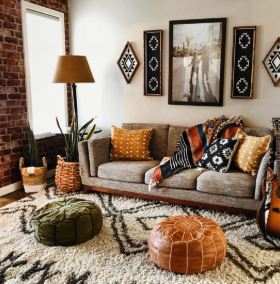
This article explores how current design movements are influencing apartments of all sizes. It brings together insights from architectural research, housing studies, and interior design analysis to explain what is changing and why it matters. The aim is to help readers understand not just what looks good, but what genuinely works for everyday apartment life.
Why apartment focused decor trends matter more than ever
Changing urban lifestyles and space constraints
Urban apartments now house a wide range of lifestyles. Young professionals, families, and retirees often share similar square footage but have very different needs. Interior trends must respond to this reality with adaptable solutions rather than one size fits all styles.
Housing studies from organisations such as the United Nations Human Settlements Programme show that urban apartment living will continue to grow globally. This makes interior efficiency and emotional comfort critical design priorities. Decor choices are no longer purely visual. They affect mental wellbeing, productivity, and long term livability.
How interior design impacts wellbeing in apartments
Research in environmental psychology highlights the connection between living environments and emotional health. Poor lighting, cluttered layouts, and inflexible spaces contribute to stress over time. Thoughtfully designed interiors improve mood, reduce cognitive fatigue, and support daily routines.
This explains why apartment decor trends are becoming more research driven. Designers now consider long term comfort and adaptability rather than short term visual appeal alone.
Functional layouts replacing rigid room definitions
The decline of fully open plan apartments
Open layouts once symbolised modern living, but many apartment residents discovered their limits. Noise travel, lack of privacy, and visual clutter reduced comfort. Current design thinking favours flexible zoning rather than fully open plans.
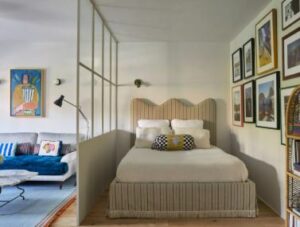
Architectural research published by Harvard Graduate School of Design highlights the importance of spatial adaptability. Residents need spaces that support multiple activities without constant rearrangement or compromise.
Zoning techniques that improve flexibility
Sliding panels, open shelving used as partitions, and furniture based zoning allow apartments to shift function throughout the day. These methods preserve light flow while introducing boundaries where needed.
This approach supports work from home needs without sacrificing relaxation areas. It improves everyday usability while keeping interiors visually cohesive.
Material choices becoming more intentional and tactile
Why texture matters in compact living spaces
Apartment interiors are moving away from glossy, artificial finishes toward materials that feel natural and grounded. Wood with visible grain, textured stone, clay based finishes, and woven fabrics are becoming more common.
Material research from academic design journals shows that tactile surfaces increase perceived comfort and emotional connection to a space. This is particularly important in compact homes where sensory balance affects wellbeing.
Long lasting materials over trend driven finishes
Durability now outweighs novelty. Materials that age gracefully reduce the need for frequent replacements and support sustainable living. Matte finishes and natural textures also hide wear better than high shine alternatives.
This shift reflects a broader preference for interiors that feel lived in rather than showroom perfect.
Colour palettes influenced by psychology and light
How colour affects mood and focus indoors
Colour trends are increasingly informed by psychological research rather than seasonal fashion cycles. Apartments often struggle with limited natural light, making colour selection especially important.
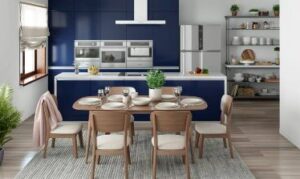
Studies referenced by the American Psychological Association show that muted earth tones and soft neutrals support relaxation and focus. These colours reduce visual strain and adapt well to changing light conditions.
Choosing apartment friendly colour schemes
Warm greys, clay inspired shades, soft greens, and gentle blues are becoming popular choices. They provide a stable visual base while allowing personal decor elements to stand out.
Such palettes create continuity across rooms, making apartments feel more spacious and intentional.
Smart storage solutions integrated into decor
Storage as a visual design element
Storage remains one of the biggest challenges in apartments. However, design trends now treat storage as a visible and integrated part of decor rather than something to hide.
Built in shelving, wall mounted cabinets, and multifunctional furniture combine practicality with aesthetics. This approach supports organisation without adding visual clutter.
Reducing clutter through intentional organisation
Research from housing design institutes emphasises that visible organisation improves mental clarity. Clearly defined storage zones reduce daily friction and make maintenance easier.
When storage is designed thoughtfully, it becomes a feature rather than a compromise.
Sustainability shaping everyday decor decisions
Environmental responsibility in interior choices
Environmental responsibility is no longer a niche concern. It is becoming central to how interiors are designed and furnished. Home decor trends 2026 show a clear move toward durability, repairability, and responsible sourcing.
According to the United Nations Environment Programme, the interiors sector significantly impacts global resource consumption. Designers now prioritise low emission finishes and long lasting materials.
Longevity over fast decor consumption
This approach discourages frequent replacement and encourages thoughtful purchases. Modular furniture that adapts over time supports changing needs without generating waste.
Sustainability is increasingly seen as a quality marker rather than a limitation.
Lighting as a layered design element
The role of ambient and task lighting
Lighting design in apartments has moved far beyond ceiling fixtures. Layered lighting combines ambient, task, and accent lighting to create adaptable environments.
Research from lighting engineering associations shows that varied light sources reduce eye strain and improve comfort throughout the day.
Lighting strategies for small apartments
Floor lamps, wall sconces, and adjustable fixtures allow residents to tailor lighting to different activities. Strategic lighting also enhances perceived space by reducing harsh shadows.
Thoughtful lighting design improves both functionality and mood.
Personal expression returning through curated decor
Moving beyond extreme minimalism
Minimalism once encouraged removing personal items. While simplicity remains valued, current trends recognise the emotional importance of personal expression.
Curated displays of books, artwork, and meaningful objects add character without clutter. This approach balances clarity with individuality.
Designing spaces that feel lived in
Design psychology research suggests personalised environments increase emotional attachment and satisfaction. The focus is on intentional selection rather than excess.
with apartment decorating ideas, spaces now feel authentic rather than staged.
How modern apartments reflect changing lifestyles
Work from home influence on decor planning
The rise of remote work has reshaped apartment interiors. Spaces must now support professional and personal activities within limited square footage.
Design studies highlight the importance of visual separation and ergonomic comfort to support productivity.
Designing for multi use spaces
Furniture that adapts and decor that supports multiple functions has become essential. This flexibility reflects real lifestyle needs rather than idealised layouts.
The influence of modern interior design thinking
Balancing simplicity with warmth
The evolution of home decor trends 2026 aligns with broader modern interior design trends that prioritise clarity without sterility. Clean lines remain popular, softened by texture and warmth.
This balance creates calm, welcoming interiors suitable for daily living.
Human centred design principles
Modern interiors now focus on how spaces feel and function rather than how they photograph. This makes them more accessible and sustainable for apartment residents. The sustainable home decor ideas provide personalised feel which suits every space.
Applying trends to real apartment constraints
Decor solutions suitable for rental homes
Many residents face rental restrictions. Design experts recommend modern interior design trends focused on movable elements such as furniture, lighting, and textiles.
This allows people to apply current apartment decorating ideas without permanent alterations.
Flexible upgrades without permanent changes
Removable decor solutions respect both personal expression and property limitations. They also support future relocations.
Making small spaces feel intentional and comfortable
Visual flow and spatial perception
Designing small apartments requires precision. Research shows consistent colour palettes and clear sightlines increase perceived space.
These principles underpin effective small space home decor tips used by professionals.
Comfort focused small space home decor tips
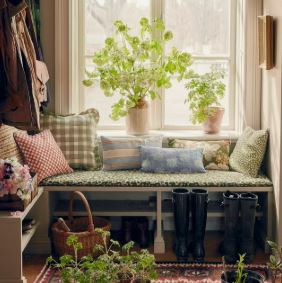
Rather than creating illusions of size, trends now focus on completeness and comfort. This approach improves long term satisfaction.
The growing relevance of eco conscious decor
Conscious consumption in home styling
Environmental awareness influences how often people change decor. Sustainable home decor ideas emphasise fewer, better choices.
Academic research shows conscious consumption increases emotional connection to possessions.
Aligning sustainability with everyday living
Also Read: Budget home decor ideas that make your home look stylish without overspending
As sustainability becomes mainstream, it shapes daily habits and long term design decisions rather than serving as a separate theme.
Conclusion
Apartment interiors in the coming years will continue to prioritise flexibility, comfort, and responsibility. Home decor trends 2026 reflect a mature design landscape that values thoughtful choices over fleeting statements.
By focusing on adaptable layouts, intentional materials, and human centred design, these trends offer practical guidance for real apartment living. They respond to changing lifestyles while respecting environmental limits and personal expression.
For residents seeking spaces that support daily life rather than compete with it, these trends provide a clear and reliable direction.
Sources and references
United Nations Human Settlements Programme
United Nations Environment Programme
Harvard Graduate School of Design
American Psychological Association
Illuminating Engineering Society
Frequently asked questions
How can apartment decorating ideas support work from home lifestyles?
With apartment decorating ideas, interiors now need to balance professional and personal functions within limited space. Smart zoning, flexible furniture, and layered lighting help create focused work areas without isolating them from the rest of the home. Research on workspace psychology shows that visual separation and consistent lighting improve concentration. Using decor elements rather than permanent structures allows residents to maintain flexibility while supporting productivity. This approach keeps apartments comfortable for both work and relaxation.
Which small space home decor tips improve long term comfort?
Long term comfort depends on layout clarity and material quality rather than decorative quantity. Studies on residential satisfaction highlight the importance of clear circulation paths and balanced lighting. Choosing furniture that serves multiple purposes reduces clutter and improves usability. Neutral base colours paired with tactile textures support visual calm. These small space home decor tips and strategies help small apartments feel complete and comfortable over time rather than cramped.
Why are modern interior design trends shifting toward softer aesthetics?
Modern interior design trends increasingly integrates psychological research linking environment and wellbeing. Clean lines remain important, but overly stark spaces can feel unwelcoming. Softer textures and warmer colours improve emotional comfort without sacrificing clarity. Academic studies in environmental psychology support this shift, showing balanced sensory input enhances relaxation and everyday usability.
How do sustainable home decor ideas reduce environmental impact?
Sustainable decor focuses on durability, repairability, and responsible sourcing. Research from environmental agencies shows extending product lifespan significantly reduces resource use. Choosing well made furniture and natural materials lowers replacement frequency. Modular designs allow adaptation rather than disposal. These principles reduce waste while supporting healthier indoor environments.
Can trends work in rental apartments with restrictions?
Yes, many decor approaches are designed with rentals in mind. Removable lighting, modular storage, and textile based changes allow personalisation without permanent alteration. Housing research indicates perceived control over environment improves satisfaction even in temporary homes. This flexibility makes trends practical and accessible.
How does lighting design influence apartment wellbeing?
Lighting affects mood, sleep patterns, and productivity. Research from lighting science institutions shows layered lighting supports circadian rhythms and reduces eye strain. Apartments benefit from combining ambient light with focused task lighting. Adjustable fixtures allow adaptation throughout the day, improving comfort and usability.
What role do materials play in small apartment interiors?
Materials influence sensory experience and maintenance. Studies show tactile surfaces increase emotional connection to space. Natural textures hide wear better than glossy finishes, reducing upkeep stress. Thoughtful material selection supports long term comfort and aligns with sustainable home decor ideas.