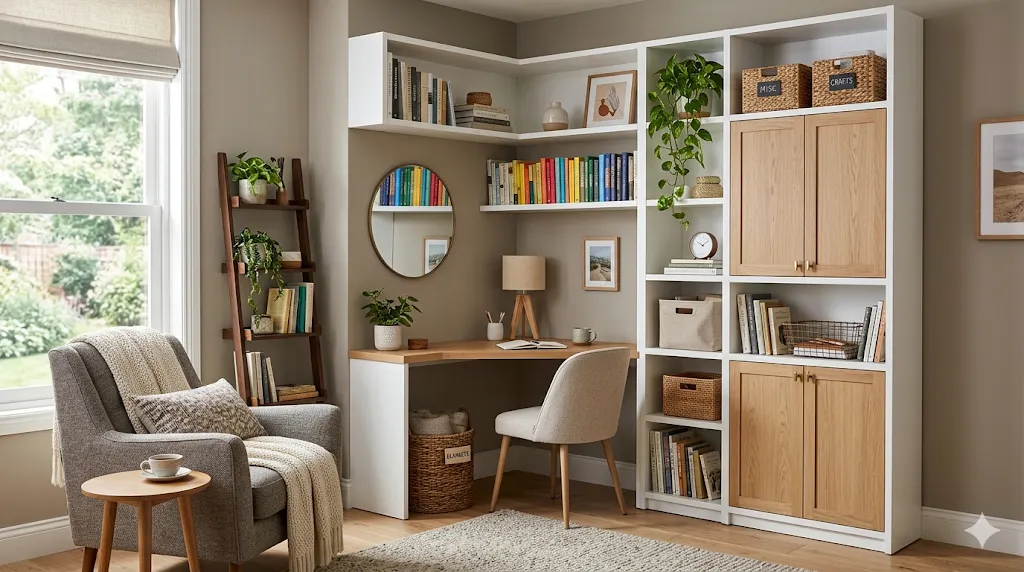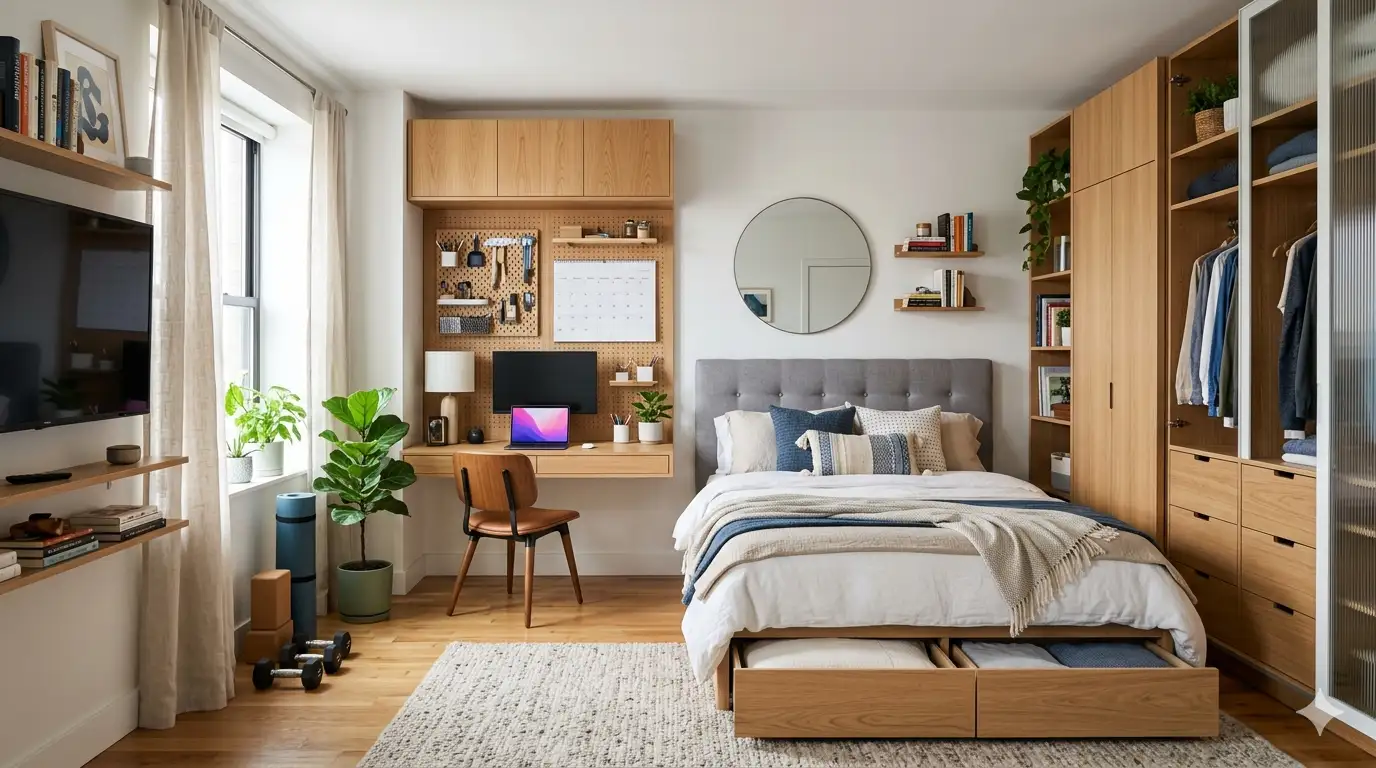
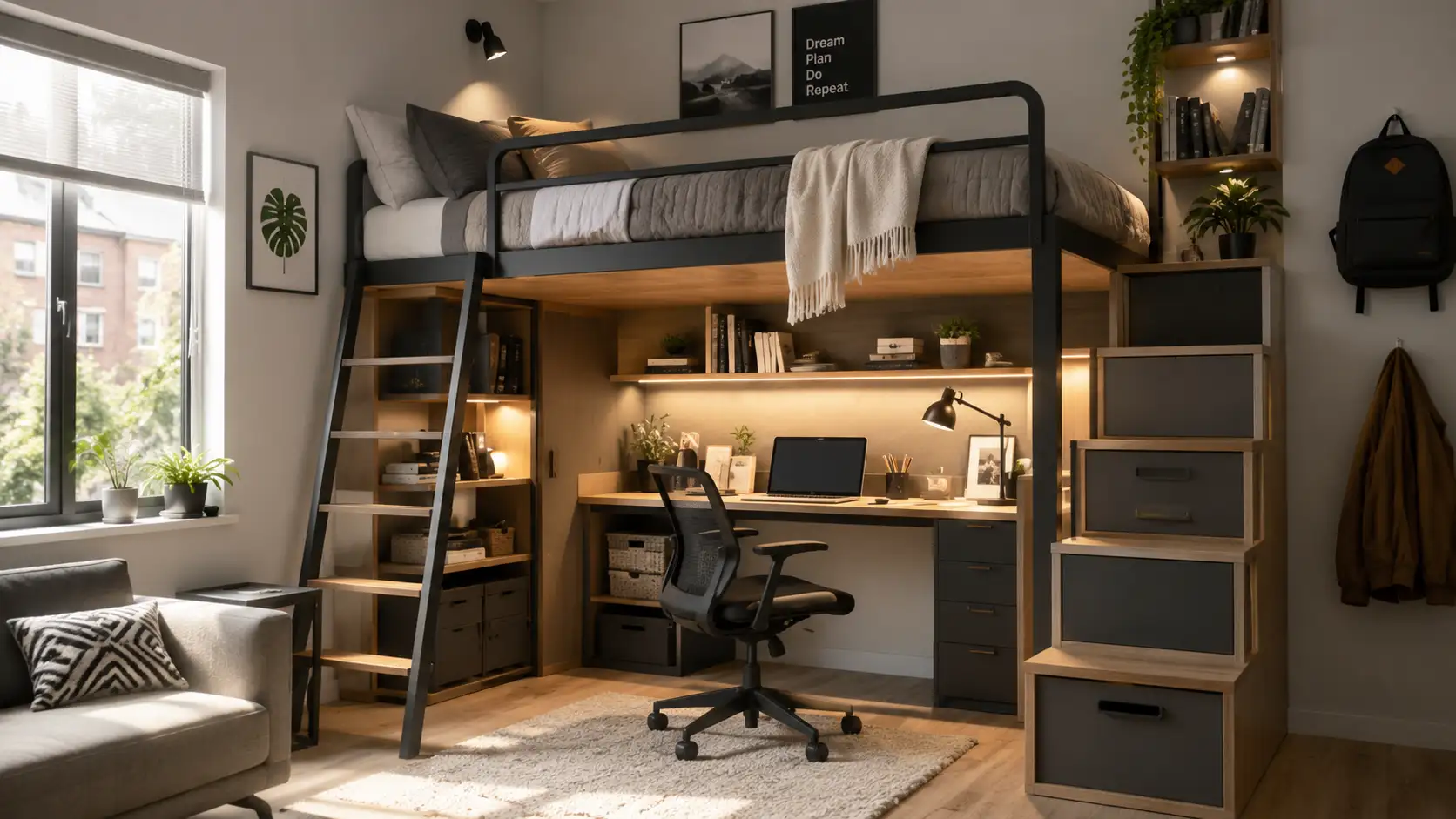
Small homes, studio apartments, compact dormitories, and shared bedrooms often create one frustrating problem: there never seems to be enough usable room. As urban living grows more expensive and homes become increasingly compact, people continue searching for practical ways to create comfort without overcrowding their interiors. One of the most effective solutions involves using lofted beds for small spaces to reclaim valuable square footage while improving organisation and flexibility.
Modern homeowners increasingly rely on compact bedroom design strategies and multifunctional furniture to create more usable living areas in small apartment living environments. Unlike traditional beds that occupy a large footprint, lofted designs elevate the sleeping area and free the lower section for other purposes. This simple vertical approach allows homeowners, students, renters, and families to create multifunctional environments without major renovations. A raised bed can transform an unused corner into a workstation, reading nook, wardrobe area, gaming setup, or even a miniature living room.
Interior designers increasingly recommend vertical furniture systems because they support modern space planning principles. According to information from the National Association of Home Builders and research on compact housing trends, smaller homes require efficient furniture layouts that prioritise flexibility and storage. Lofted bed systems directly support those needs by maximising vertical dimensions rather than expanding outward.
This guide explores how loft beds improve room functionality, which layouts work best, how to style them effectively, and what mistakes to avoid when planning compact interiors.
Why loft beds work so well in compact interiors
Many small bedrooms suffer from poor layout efficiency rather than lack of total square footage. Traditional furniture arrangements often waste vertical space, leaving little room for movement. Loft beds solve this issue by creating multiple functional zones within the same footprint.
Many interior designers now recommend vertical storage solutions and smart room organisation techniques because they reduce clutter while improving movement throughout compact rooms. A raised sleeping platform immediately opens up the lower section of the room. This extra area can become useful in several ways:
Functional uses under loft beds
Study or work area
Students and remote workers frequently use the lower section for desks, shelving, and office chairs. This arrangement separates sleeping and working zones, which may help improve focus and organisation.
An under bed workspace paired with modular storage systems can transform unused square footage into a highly practical daily living zone.
Storage solutions
Drawers, modular cabinets, rolling bins, and hanging organisers fit neatly beneath elevated beds. This setup works especially well in apartments lacking built in storage.
Lounge or reading corner
Many people add bean bags, compact sofas, cushions, or floor lamps beneath the bed frame to create a cosy retreat without consuming additional room.
Wardrobe extension
Some loft systems include integrated clothing rails and shelving units that function like mini closets.
The appeal of space saving loft beds comes from their ability to combine several furniture purposes into one vertical structure. Instead of purchasing separate pieces that crowd the room, users consolidate functionality into a smarter layout.
Understanding the difference between loft beds and bunk beds
People sometimes confuse loft beds with bunk beds, but the two serve different purposes.
A bunk bed contains two sleeping levels stacked vertically. A loft bed typically includes only one elevated mattress platform, leaving the lower section open for flexible use.
This distinction matters because loft beds offer far more adaptability in compact interiors. They are especially effective in:
- Studio apartments
- University dormitories
- Tiny homes
- Shared children’s rooms
- Small guest bedrooms
- Urban flats
- Multifunctional home offices
Because the bottom section remains open, homeowners gain greater freedom when experimenting with loft bed ideas for small rooms.
How vertical furniture design improves spatial efficiency
Interior designers often discuss the concept of vertical zoning. Instead of spreading functions across a room horizontally, vertical zoning layers functions upward.
Loft beds follow this principle perfectly. They encourage smarter room flow by:
- Reducing floor obstruction
- Improving walking pathways
- Creating visual structure
- Allowing natural light to spread more evenly
- Supporting multipurpose room planning
This type of vertical furniture design supports better interior space planning by turning unused wall height into functional living capacity.
Research published by institutions studying urban housing design consistently shows that multifunctional furniture improves usability in compact living environments. Vertical furniture systems particularly benefit residents living in densely populated cities where square footage comes at a premium.
Using vertical dimensions effectively can dramatically maximize floor space bedroom layouts without requiring expensive construction changes.
Choosing the right loft bed height
One of the biggest mistakes buyers make involves selecting the wrong bed height. Ceiling clearance plays a major role in comfort and safety.
Standard height considerations
Most experts recommend leaving at least 30 to 36 inches between the mattress top and ceiling. This space allows comfortable sitting and reduces feelings of confinement.
Rooms with low ceilings may benefit from mid loft systems rather than full height loft beds. Mid lofts still create usable storage space while maintaining better overhead comfort.
Best ceiling heights for loft beds
- 8 foot ceilings: Mid loft recommended
- 9 foot ceilings: Standard loft suitable
- 10 foot ceilings or higher: Full loft systems work best
When planning compact loft beds, measuring ceiling clearance should always come before selecting a design style.
Smart storage ideas beneath loft beds
Storage often determines whether a small room feels organised or chaotic. Loft beds create hidden opportunities for efficient storage without overcrowding the interior.
Well planned hidden storage ideas can make compact living solutions feel significantly less crowded and easier to maintain daily.
Modular storage systems
Cube shelving units work particularly well beneath elevated beds because they fit neatly into rectangular layouts. Fabric bins help hide clutter while maintaining a clean appearance.
Rolling storage drawers
Wheeled storage containers allow flexible access to seasonal clothing, books, or hobby supplies. These systems also make cleaning easier.
Vertical shelving
Tall shelving units complement loft bed structures because they continue the room’s vertical design language.
Hidden storage seating
Benches with internal compartments offer dual functionality beneath loft setups.
The key to successful loft bed ideas for compact rooms lies in choosing storage that remains visually tidy. Open clutter can make compact rooms feel even smaller.
Best room layouts for loft beds
Not every room benefits from identical furniture placement. Successful layouts depend on room shape, window placement, and user lifestyle.
Some of the best loft bed layouts for compact apartments focus on maintaining clear walking paths while preserving access to natural light.
Corner placement
Positioning the loft bed in a corner often creates the largest open floor area. This layout works especially well in square rooms.
Window adjacent layouts
Placing the desk area near natural light beneath the loft can improve comfort for studying or working.
Central wall layouts
In narrow rooms, centring the loft bed against the longest wall creates balanced circulation paths.
Shared room layouts
Children sharing bedrooms may benefit from symmetrical loft arrangements with individual storage zones beneath each bed.
Thoughtful planning helps free up bedroom floor area arrangements while preserving comfort and accessibility.
Materials that work best for loft beds
Material selection affects durability, appearance, and maintenance.
Many homeowners prefer modern loft furniture styles because they combine durability with cleaner visual aesthetics suitable for tiny home interiors.
Solid wood
Wooden loft beds provide warmth and stability. Hardwoods typically last longer but may cost more.
Metal frames
Metal loft beds often suit modern interiors because they appear visually lighter. They also work well in industrial or minimalist styles.
Engineered wood
Budget friendly engineered wood options offer affordability but vary significantly in durability.
According to guidance from furniture safety organisations, sturdy frame construction and proper weight distribution remain essential regardless of material choice.
Safety considerations people should never ignore
Loft beds provide excellent functionality, but safety matters greatly, especially for children and teens.
Guardrails
Raised beds should always include secure guardrails to prevent falls during sleep.
Ladder stability
Ladders should remain firmly attached and positioned at comfortable climbing angles.
Weight limits
Every loft bed has a recommended weight capacity. Overloading the structure can weaken joints over time.
Proper mattress sizing
Using incorrect mattress dimensions may create dangerous gaps between the mattress and guardrails.
The Consumer Product Safety Commission advises parents to avoid loft beds for very young children due to fall risks.
Safety planning becomes especially important when installing lofted beds for small spaces in family homes.
Styling loft beds without making rooms feel crowded
Compact interiors require careful styling choices. Too many decorative elements can quickly overwhelm the space.
Use light colours
White, beige, soft grey, and pale wood tones help reflect light and create visual openness.
Choose slim furniture
Bulky furniture beneath loft beds reduces the feeling of spaciousness.
Add layered lighting
Small rooms benefit from multiple lighting sources instead of one harsh overhead fixture.
Incorporate mirrors
Mirrors reflect natural light and visually expand interiors.
Limit oversized décor
Minimal wall décor helps maintain clean sightlines.
Well balanced styling supports both functionality and visual calm when using space saving loft beds.
Loft bed solutions for adults
Many people associate loft beds with children or dormitories, but adult loft systems continue gaining popularity in urban housing.
In many studio apartment furniture layouts, an elevated sleeping platform helps separate rest areas from work or entertainment zones.
Adult friendly loft setups often include:
- Integrated workstations
- Compact wardrobes
- Floating shelves
- Sofa seating beneath platforms
- Industrial or Scandinavian aesthetics
Micro apartments in large cities increasingly use elevated sleeping systems because they allow residents to separate living and sleeping functions within single room homes.
Adult users frequently prefer minimalist loft bed ideas for small rooms that maintain sophistication rather than appearing juvenile.
How loft beds support multifunctional living
Modern living spaces increasingly serve multiple purposes. One room may function as:
- Bedroom
- Office
- Entertainment area
- Study zone
- Guest space
Flexible furniture systems are becoming increasingly important in urban housing design because modern homes often need to support several functions at once.
Loft beds support this flexibility exceptionally well.
During daytime hours, the lower section becomes active living space. At night, the elevated platform provides privacy and separation.
This adaptability proves especially useful for remote workers and students who spend long hours inside compact homes.
Flexible furniture systems help maximize floor space bedroom designs while supporting changing daily routines.
Common mistakes to avoid with loft beds
Even high quality loft beds can fail if poorly planned.
Ignoring ceiling fans
Always check overhead clearance around lighting fixtures and fans.
Choosing oversized desks
Furniture placed beneath the loft should fit proportionally within the available space.
Blocking natural light
Poor placement near windows may darken the room unnecessarily.
Forgetting ventilation
Elevated sleeping areas can become warmer due to rising heat. Good airflow remains important.
Overdecorating the lower section
Too many storage bins, shelves, or decorative accessories create visual clutter.
Avoiding these mistakes improves comfort and long term usability when designing around lofted beds for small spaces.
Budget friendly ways to customise loft beds
Not every loft setup requires expensive custom carpentry.
Affordable upgrades include:
- Clip on reading lights
- Peel and stick wallpaper
- Under bed curtains
- Floating shelves
- Storage baskets
- LED strip lighting
- Foldable desks
DIY improvements can personalise the space while keeping costs manageable.
Renters especially appreciate temporary modifications that avoid permanent structural changes.
Loft beds and minimalist living trends
Minimalist living continues growing in popularity as people seek simpler, more intentional homes. Loft beds naturally align with this philosophy because they encourage efficient furniture use and reduced clutter.
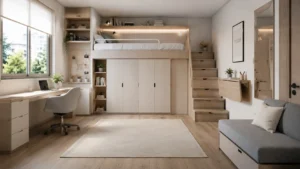
A minimalist bedroom layout paired with space efficient furniture often creates a calmer atmosphere that feels larger than the room’s actual dimensions.
Minimalist interiors often prioritise:
- Open floor areas
- Functional storage
- Neutral colours
- Multipurpose furniture
- Clean visual lines
By elevating the sleeping zone, loft beds support all of these principles simultaneously.
This explains why loft bed solutions appear frequently in tiny home communities and compact apartment design trends.
Are loft beds suitable for every age group?
Loft beds can work for many users, but suitability depends on mobility, comfort, and safety needs.
Best suited for
- Teenagers
- University students
- Young professionals
- Tiny home residents
- Families with compact rooms
Less ideal for
- Seniors with mobility limitations
- Individuals uncomfortable climbing ladders
- Very young children
Accessibility should always guide furniture decisions more than aesthetics alone.
Environmental advantages of multifunctional furniture
Furniture that serves multiple purposes may reduce overall consumption. Instead of purchasing several separate pieces, one loft system can combine sleeping, storage, and workspace functions.
Smaller living environments also tend to consume fewer resources overall, according to housing and environmental studies.
Efficient furniture planning contributes to:
- Reduced material use
- Lower energy consumption
- Better room efficiency
- Smaller housing footprints
These benefits add another layer of appeal to lofted beds for compact spaces beyond simple convenience.
Conclusion
Modern compact living requires smarter design decisions, not simply smaller furniture. Loft beds offer one of the most effective solutions for transforming cramped interiors into organised, multifunctional environments. By using vertical space creatively, homeowners can improve comfort, storage, workflow, and overall room usability without sacrificing style.
Many homeowners now view loft beds as multifunctional furniture for tiny bedrooms because they support efficient room zoning techniques without sacrificing comfort or style.
Also Read: How to transform your space with smart home shelf styling ideas that look professionally designed
Whether used in studio apartments, dormitories, children’s rooms, or tiny homes, lofted beds for small spaces provide flexibility that traditional furniture rarely achieves. Their ability to separate sleeping zones from working, lounging, or storage areas makes them especially valuable in modern urban living.
Careful planning remains essential. Proper ceiling clearance, safe construction, thoughtful storage integration, and balanced styling all contribute to successful results. When implemented correctly, loft beds can dramatically improve how compact interiors function every day.
As homes continue shrinking in many cities worldwide, vertical furniture strategies will likely become even more important. Loft beds already demonstrate how intelligent design can make even the smallest rooms feel practical, comfortable, and visually open.
Sources and section mapping
- National Association of Home Builders
- U.S. Consumer Product Safety Commission
- American Institute of Architects
- University housing and urban planning research publications from educational institutions including MIT and Columbia University
FAQs
How do space saving loft beds improve productivity in small apartments?
Many compact apartments force people to work, sleep, and relax within one limited area. Elevated bed systems create distinct functional zones that psychologically separate activities. A dedicated workstation beneath the sleeping platform often improves focus because the room feels more structured and organised. This zoning effect can make even tiny apartments feel more intentional and less chaotic throughout the day.
What lighting works best with loft bed ideas for small rooms?
Layered lighting usually performs better than a single ceiling fixture in compact interiors. Wall mounted sconces, LED strips, clip on reading lamps, and under shelf lighting help distribute brightness evenly without consuming desk or floor space. Softer lighting also prevents the elevated sleeping area from feeling enclosed while improving the room’s overall atmosphere during evening hours.
Can maximize floor space bedroom layouts still feel cosy?
Yes, spaciousness and comfort can coexist when layouts remain balanced. Soft textiles, warm lighting, neutral colours, and carefully chosen décor help compact rooms maintain a welcoming atmosphere. The goal is not to create emptiness but to reduce unnecessary clutter so the room feels breathable while still supporting daily comfort and relaxation.
Are modular storage systems better than built in furniture for compact rooms?
Modular systems often provide greater flexibility because they can adapt as needs change. People living in rentals or temporary housing especially benefit from movable shelves, stackable cubes, and portable drawers. These solutions allow rooms to evolve over time without requiring expensive permanent installations or renovations.
How can vertical storage reduce visual clutter in small interiors?
Vertical storage keeps belongings organised while preserving open walking space. Tall shelving units, hanging organisers, and elevated storage compartments draw attention upward rather than outward. This visual strategy helps rooms appear cleaner and more spacious because fewer objects occupy the main floor area.
Do minimalist interiors work well with multifunctional furniture?
Minimalist design and multifunctional furniture complement each other naturally. Minimalist spaces focus on reducing unnecessary items while maximising usefulness. Furniture that combines sleeping, storage, and workspace functions supports this philosophy by limiting overcrowding and maintaining visual simplicity without sacrificing practicality.
What colours help compact bedrooms feel more spacious?
Light neutral shades generally reflect natural light more effectively than dark colours. Soft whites, pale greys, muted beige tones, and natural wood finishes help small interiors feel brighter and more open. Consistent colour palettes also reduce visual fragmentation, which contributes to a calmer and more spacious appearance.