Designing a compact bedroom can feel like solving a puzzle with too many pieces and not enough room. Small bedroom decor ideas focus on creating visual balance, improving comfort, and making every square foot work harder without overwhelming the space. When design choices follow logic rather than trends, even the smallest bedroom can feel intentional and restful.
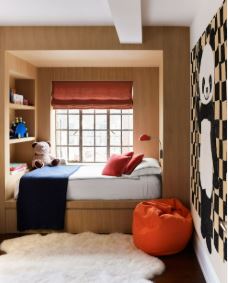
Modern urban living, rising housing density, and smaller floor plans mean compact bedrooms are now common across apartments and homes worldwide. Research from the UK Ministry of Housing confirms that bedroom sizes in new developments have steadily reduced over the last decade. This makes thoughtful design essential, not optional.
This article explores practical, research-backed strategies that genuinely work in real homes, helping you create a bedroom that feels spacious, functional, and personal.
Why small bedrooms feel cramped in the first place
Small bedrooms rarely feel uncomfortable because of size alone. They feel cramped due to poor visual flow, clutter, and ineffective layout choices. Environmental psychology studies published by the American Psychological Association show that visual overload increases stress and negatively impacts sleep quality.
Compact rooms magnify mistakes such as oversized furniture, dark colour saturation, and blocked natural light. Addressing these core issues lays the foundation for successful Bedroom decor ideas for small rooms that prioritise comfort and calm.
Layout strategies that unlock usable space
Prioritising movement and circulation
Clear movement paths make rooms feel larger than they are. Research from Cornell University’s Human-Centered Design Department highlights that uninterrupted walking space improves perceived room size more than decorative changes.
Bed placement that supports openness
Positioning the bed along the longest wall usually improves balance. Avoid centering the bed if it restricts movement. Even a small shift can significantly improve usability and visual breathing room.
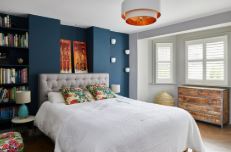
These layout decisions form the backbone of effective Small bedroom design ideas, ensuring the space feels functional rather than forced.
Colour choices that visually expand compact bedrooms
Light-reflective tones and their impact
According to the National Institute of Building Sciences, lighter colours reflect more light and enhance spatial perception. Soft whites, warm neutrals, and muted pastels work best in small bedrooms.
Avoiding visual fragmentation
Using one dominant wall colour creates continuity. High-contrast colour blocking breaks visual flow and makes walls feel closer together. Thoughtful colour selection supports Bedroom decor ideas for small rooms without overwhelming the senses.
Furniture selection that balances scale and function
Choosing the right proportions
Furniture scale matters more than quantity. Studies in the Journal of Interior Design show that low-profile furniture improves comfort in small rooms by maintaining sightlines.
Multifunctional furniture solutions
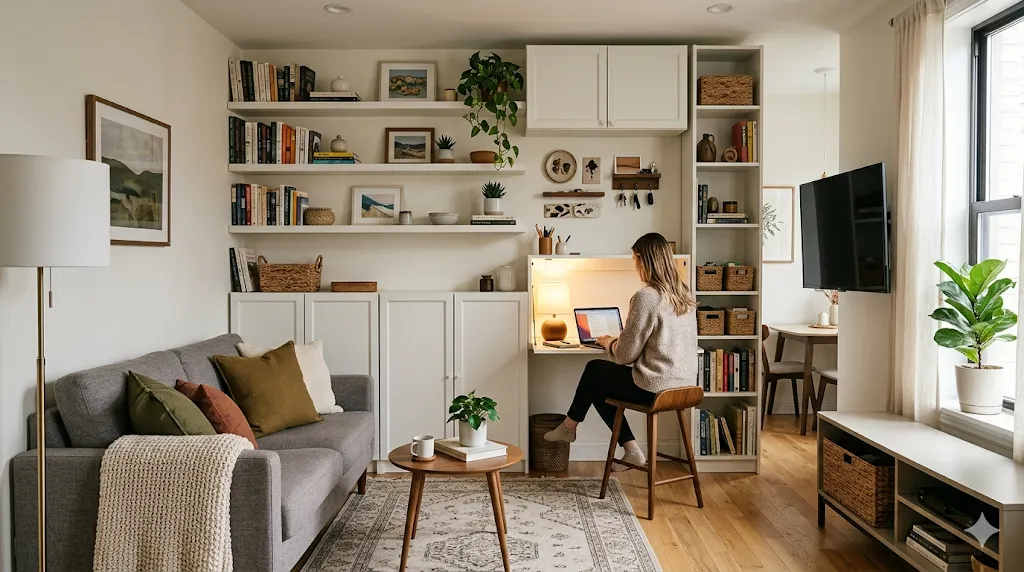
Beds with storage drawers, wall-mounted shelves, and fold-down desks eliminate the need for excess furniture. These solutions are central to Space saving bedroom decor, allowing functionality without visual heaviness.
Storage solutions that reduce visual clutter
Vertical storage and hidden compartments
Housing research supported by the UK Design Council confirms that vertical storage improves spatial efficiency. Tall wardrobes and overhead cabinets maximise capacity while preserving floor space.
Closed storage for calmer visuals
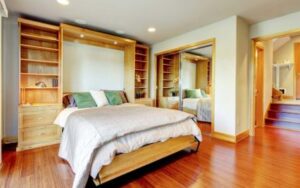
Closed storage reduces visual noise and supports relaxation. These techniques align with Small bedroom design ideas that focus on long-term comfort rather than temporary styling.
Lighting strategies that add depth and warmth
Layered lighting for balance
The Lighting Research Center explains that layered lighting improves mood and spatial perception. Combining ambient, task, and accent lighting prevents harsh shadows.
Wall-mounted and overhead solutions
Wall sconces and ceiling-mounted fixtures free up surfaces while improving illumination. Proper lighting enhances Space saving bedroom decor by adding depth without physical clutter.
Mirrors and reflective elements used with intention
Strategic placement for light distribution
Architectural studies confirm that mirrors reflecting natural light increase brightness and perceived space. Position mirrors opposite windows or light sources.
Avoiding overuse
Too many reflective surfaces can feel chaotic. Balanced use supports Bedroom decor ideas for small rooms without visual overload.
Textiles that add comfort without crowding
Texture over pattern
Research from the Royal College of Art suggests texture adds interest without shrinking space. Lightweight curtains and breathable fabrics maintain openness.
Cohesive palettes
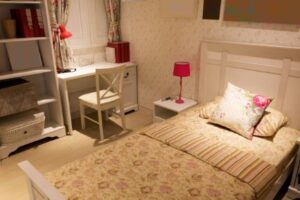
Limiting colour variation across textiles creates harmony. This approach supports Small bedroom decor ideas focused on calm and cohesion.
Decorating compact bedrooms on a realistic budget
Smart spending priorities
Housing affordability research shows that quality essentials matter more than decorative excess. Invest in bedding, lighting, and storage first.
DIY and minimal styling
Repurposed furniture and minimal accessories define Small bedroom decorating ideas on a budget that feel intentional rather than temporary.
Personalisation without visual overload
Curated personal items
Environmental psychology research shows that meaningful objects increase comfort, while excess reduces relaxation. Display fewer, more intentional items.
Seasonal rotation
Rotating decor prevents stagnation and clutter. This strategy strengthens Bedroom decor ideas for small rooms over time.
Sustainability and long-term design thinking
Durable and adaptable choices
The United Nations Environment Programme highlights that durable, multi-use furniture improves living quality and reduces waste.
Minimalism as sustainability
Sustainable design naturally complements Space saving bedroom decor by prioritising efficiency and longevity.
Common mistakes that shrink small bedrooms
Overfurnishing and dark saturation
Also Read: Apartment lighting ideas that instantly elevate apartment decor without renovation
Housing design studies show that excess furniture and dark colours reduce spatial satisfaction.
Ignoring negative space
Empty space allows rooms to breathe. Restraint improves comfort more than additional decor, reinforcing successful Small bedroom design ideas.
Conclusion: turning limited space into lasting comfort
Designing a compact bedroom is about clarity, not compromise. When layout, lighting, storage, and colour work together, the room supports better sleep and daily comfort. Thoughtful Small bedroom decor ideas prioritise function, calm, and longevity over trends, proving that small spaces can feel just as satisfying as larger ones.
Sources and references
American Psychological Association
National Institute of Building Sciences
Journal of Interior Design
Lighting Research Center
United Nations Environment Programme
UK Ministry of Housing, Communities and Local Government
Frequently asked questions
How do bedroom decor ideas for small rooms improve daily comfort
Bedroom decor ideas for small rooms focus on reducing visual clutter, improving movement, and enhancing light flow. When layouts are simplified and storage is thoughtfully integrated, compact bedrooms feel calmer and more functional. Research in environmental psychology shows that visually organised spaces reduce stress and support better sleep. By focusing on scale, circulation, and intentional styling, these approaches improve comfort without requiring structural changes or additional square footage.
What small bedroom design ideas help rooms feel more open
Small bedroom design ideas often prioritise light colours, streamlined furniture, and clear sightlines. Choosing furniture with exposed legs, using vertical storage, and avoiding unnecessary decor allows the eye to move freely. Studies in interior spatial perception confirm that continuity in colour and layout improves perceived space. These strategies help compact bedrooms feel more breathable and less confined.
How does space saving bedroom decor support functionality
Space saving bedroom decor focuses on multifunctional furniture and efficient layouts. Storage beds, wall-mounted shelves, and foldable furniture reduce clutter while maintaining usability. According to housing efficiency studies, rooms designed with dual-purpose elements support daily routines more effectively. This approach allows small bedrooms to adapt to changing needs without feeling overcrowded.
Are small bedroom decorating ideas on a budget still effective
Small bedroom decorating ideas on a budget rely on thoughtful choices rather than expensive purchases. Prioritising essentials such as lighting and bedding improves comfort significantly. Housing research shows that visual simplicity and quality materials matter more than cost. DIY elements and repurposed furniture also allow personalisation without cluttering the room.
How can lighting improve bedroom decor ideas for small rooms
Bedroom decor ideas for small rooms benefit greatly from layered lighting. Ambient light creates overall brightness, while task lighting adds function. Studies from lighting research institutions confirm that balanced lighting improves spatial perception and emotional comfort. Wall-mounted fixtures also free up surfaces, supporting cleaner layouts.
Why are storage-focused small bedroom design ideas important
Storage-focused small bedroom design ideas reduce visual noise and improve organisation. Research shows that concealed storage supports relaxation by minimising distractions. Vertical and under-bed storage solutions maximise capacity while preserving floor space, helping compact bedrooms remain calm and functional.
How does space saving bedroom decor support long-term living
Space saving bedroom decor encourages adaptability and sustainability. Multi-use furniture and minimal layouts reduce waste and extend usability. Studies in sustainable housing show that efficient design improves long-term satisfaction. This approach supports evolving needs without frequent redesign or replacement.