Living in a compact home is no longer a niche lifestyle. Across cities worldwide, rising urban density and changing family structures have made smaller homes the norm rather than the exception. In this reality, space saving furniture ideas are not about decoration or trends. They are about survival, comfort, and long term livability. Furniture is no longer expected to simply occupy space. It must actively earn it.
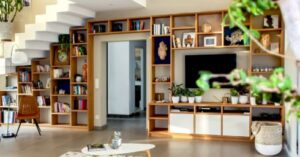
When furniture performs multiple roles without increasing visual or physical clutter, a small home begins to feel intentional rather than restrictive. The right choices reduce daily friction, improve movement, and support mental well being. Instead of feeling like a compromise, a compact home can feel efficient, calm, and surprisingly spacious.
This article examines multifunctional furniture for small spaces through a practical and research driven lens. It avoids shortcuts, gimmicks, and unrealistic claims. Every concept discussed here is grounded in established housing research, ergonomic studies, and real world usability. The focus remains on people first, not products.
The reality of small space living in modern cities
Why smaller homes are becoming the global norm
According to the United Nations Department of Economic and Social Affairs, urban populations continue to grow faster than housing availability. This imbalance has led to smaller average home sizes, especially in metropolitan regions. Compact apartments are now common across Asia, Europe, and North America.
This shift has changed how people interact with their living environments. Rooms are expected to serve multiple purposes throughout the day. Bedrooms become workspaces. Living rooms turn into dining areas. Without thoughtful furniture planning, these overlaps quickly create clutter and stress.
How furniture design influences daily comfort
Environmental psychology research shows that cluttered spaces increase cognitive load. When furniture blocks movement or overwhelms visual balance, even simple daily tasks feel tiring. This is why multifunctional furniture for small spaces plays such a critical role. It supports movement, preserves openness, and allows rooms to change function without chaos.
Furniture that adapts naturally reduces the feeling of being boxed in. Instead of constantly rearranging or compromising, residents experience smoother transitions between activities.
What defines truly effective multifunctional furniture
Functionality without complexity
The most successful furniture designs solve real problems with minimal effort. If a piece requires excessive force, multiple steps, or constant adjustments, it eventually becomes ignored. Research from product usability studies consistently shows that simplicity increases long term use.
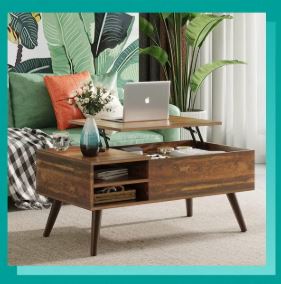
Effective designs integrate transformation seamlessly. A table extends easily. A bed opens smoothly. Storage access feels intuitive. These qualities separate useful furniture from novelty items.
Adaptability over time
Life circumstances change. Work habits evolve. Family sizes grow or shrink. Furniture that adapts supports longevity and reduces unnecessary replacement. Housing research from academic institutions highlights adaptability as a key factor in sustainable living environments.
This is why convertible furniture pieces that accommodate changing needs are particularly valuable in small homes.
Key categories of multifunctional furniture that deliver real value
Seating that transforms with purpose
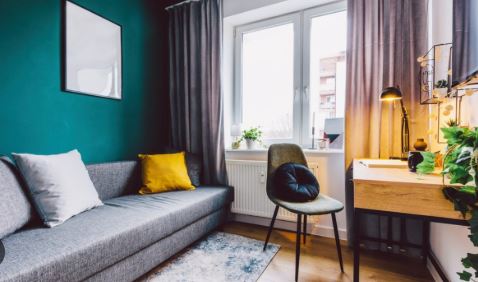
Sofa beds and daybeds remain among the most reliable solutions for compact homes. Unlike older designs, modern versions prioritise sleep ergonomics and structural support. Research from the National Sleep Foundation emphasises the importance of proper mattress support, even for occasional sleeping surfaces.
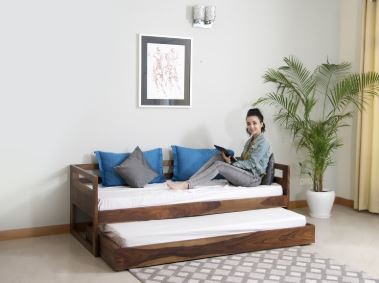
Daybeds offer a simpler alternative. They function as seating during the day and sleeping space at night without mechanical strain, making them suitable for long term use.
Tables that expand and disappear
Dining tables are essential yet underused for much of the day. Extendable tables address this imbalance by expanding only when needed. Interior planning research shows that flexible surfaces improve circulation and reduce spatial congestion.
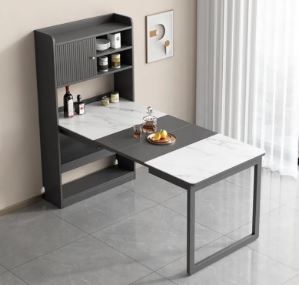
Wall mounted fold down tables take efficiency further. When not in use, they free up floor area entirely. This approach aligns well with compact kitchens and multipurpose living zones.
Storage integrated into everyday furniture
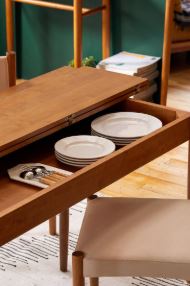
Hidden storage is one of the most powerful space saving furniture solutions. Beds with drawers, benches with compartments, and ottomans with internal storage make use of otherwise wasted volume.
Housing studies from the United Kingdom indicate that under bed storage alone can increase functional storage capacity by nearly one third in small bedrooms. The key lies in accessibility and ease of use.
Vertical and modular storage systems
Wall based storage shifts focus from floor area to vertical space. Modular shelving and best furniture for small apartments allows adjustments over time, supporting changing storage needs. Architectural design research supports modularity as a tool for long term spatial efficiency.
Combining open and closed storage helps balance visual lightness with organisation.
Designing rooms based on activity zones rather than furniture
Planning from daily routines outward
Effective small space design begins with activities, not objects. Sleeping, working, eating, relaxing, and storing items each require defined zones, even within a single room. When zones overlap without structure, clutter builds quickly.
This functional planning approach naturally leads to better space saving furniture ideas, because furniture choices are guided by need rather than appearance.
The emotional impact of functional zoning
Studies from environmental psychology journals confirm that clearly defined activity zones improve perceived spaciousness. When each function has a logical place, residents feel more in control of their environment.
This sense of control is critical in small homes, where minor disruptions feel amplified.
Visual and material strategies that enhance spaciousness
Light, proportion, and visual flow
Furniture with slim profiles, raised bases, and light reflective materials allows light and sightlines to flow freely. This reduces visual heaviness and supports openness.
Research in interior perception shows that uninterrupted visual lines significantly improve how large a room feels, regardless of its actual size.
Transparency and minimal visual weight
Glass tops, open frames, and neutral finishes reduce visual dominance. Even when furniture occupies space physically, it feels lighter to the eye, which matters greatly in compact layouts.
Durability, sustainability, and long term value
Why build quality matters more in small homes
Multifunctional furniture experiences more movement and stress than single use pieces. Durability becomes essential. Consumer safety studies consistently show space saving furniture ideas on how high-quality hinges and frames significantly extend product lifespan.
Sustainability research from global environmental organisations highlights durability as a cornerstone of responsible consumption.
Avoiding common mistakes in multifunctional design
Overcomplicated furniture often fails. Pieces that attempt too many functions sacrifice comfort and reliability. Another frequent mistake involves incorrect sizing. Even foldable furniture requires clearance when in use.
Professional interior planning guidelines stress accurate measurements and realistic use scenarios with convertible furniture pieces.
Emotional well being and small space furniture choices
How furniture affects mental health in compact homes
Clutter correlates strongly with stress and reduced focus. Furniture that hides storage and supports organisation helps regulate emotional responses. Psychological research shows that orderly environments promote calm and emotional stability.
This is why best furniture for small apartments prioritises emotional comfort alongside functionality.
The future of multifunctional furniture design
Where small space innovation is heading
Research institutions studying urban housing trends predict increased focus on modular living systems. Furniture will continue to evolve toward adaptability across life stages.
Also Read: Budget studio apartment decor ideas that make small spaces feel bigger, brighter, and smarter
Despite innovation, the core principle remains unchanged. Furniture should simplify life. When well designed, it fades into the background while supporting daily routines effortlessly.
Conclusion
Choosing furniture for compact living is a strategic decision rather than a compromise. When selected thoughtfully, space saving furniture ideas enable small homes to feel comfortable, organised, and emotionally supportive. The most successful solutions prioritise real needs, durability, and adaptability over novelty.
By focusing on functionality and long term usability, small homes can deliver a quality of life that feels intentional, calm, and genuinely fulfilling.
Sources and references
United Nations Department of Economic and Social Affairs
World Health Organization housing and urban health publications
Harvard Graduate School of Design research publications
MIT urban housing and interior design studies
National Sleep Foundation research resources
United Nations Environment Programme sustainability reports
Frequently asked questions
How does multifunctional furniture for small spaces improve everyday living comfort?
Multifunctional furniture for small spaces improves daily comfort by reducing unnecessary movement and clutter. When one item supports multiple activities, residents spend less time rearranging their environment and more time using it. Built in storage, foldable surfaces, and adaptable seating help maintain clear pathways and defined activity zones. Over time, this consistency reduces stress and decision fatigue. Research in environmental psychology shows that organised, predictable environments contribute to improved emotional well being, especially in compact homes where every object has a visible impact.
What makes the best furniture for small apartments different from regular furniture?
The best furniture for small apartments focuses on proportional design, adaptability, and visual balance. Unlike standard furniture, it considers clearance space, movement flow, and multifunctional use. These pieces often integrate storage or transformation without appearing bulky. Housing design studies highlight that furniture scaled correctly to room dimensions improves perceived spaciousness. This type of furniture supports daily routines while maintaining openness, which is essential for long term comfort in compact living environments.
Are convertible furniture pieces suitable for long term residential use?
Convertible furniture pieces can be suitable for long term use when designed with durability and simplicity in mind. High quality mechanisms, sturdy frames, and ergonomic surfaces are essential. Research from product testing organisations indicates that simpler transformation systems experience less wear over time. When used as intended and maintained properly, these pieces provide consistent performance while supporting flexible living arrangements, especially in homes where rooms serve multiple purposes daily.
How do space saving furniture solutions reduce clutter in small homes?
Space saving furniture solutions reduce clutter by consolidating functions and hiding storage within everyday items. Beds with drawers, benches with compartments, and modular shelving systems keep belongings organised and out of sight. Environmental psychology research shows that reduced visual clutter improves focus and emotional calm. In small homes, where clutter becomes noticeable quickly, these solutions help maintain a clean, balanced environment that feels easier to manage.
Why is vertical storage important in multifunctional furniture planning?
Vertical storage allows small homes to maximise usable space without sacrificing movement areas. By using wall height rather than floor area, furniture supports better circulation and accessibility. Ergonomic studies show that well planned vertical storage improves organisation while reducing physical strain. In multifunctional layouts, vertical systems also support zoning by separating storage from activity areas, helping rooms feel structured rather than crowded.
How do multifunctional furniture layouts support sustainable living?
Multifunctional furniture layouts support sustainability by reducing the need for excess furniture and frequent replacements. Durable, adaptable pieces extend product lifespan and minimise waste. Sustainability research from global environmental organisations highlights longevity and adaptability as key factors in reducing environmental impact. In small homes, fewer high quality pieces serving multiple roles align well with responsible consumption and efficient resource use.
Can space saving furniture solutions improve emotional well being?
Space saving furniture solutions positively influence emotional well being by creating orderly, predictable living environments. When furniture supports organisation and flexibility, residents feel more in control of their surroundings. Psychological studies link organised spaces with lower stress levels and improved mood. In compact homes, where clutter can quickly feel overwhelming, thoughtful furniture choices contribute significantly to mental comfort and overall quality of life.