In urban living, limited space often restricts the ability to enjoy indoor greenery. Studies by the National Wildlife Federation show that indoor plants improve air quality, reduce stress, and boost mood, making them an essential part of home wellness. A green wall in small spaces provides an innovative solution, allowing homeowners to incorporate lush vegetation without occupying valuable floor space. This guide explores practical techniques, creative layouts, and plant selection strategies that make it easy to introduce a living wall into compact areas while maintaining style and function. It also features smart vertical garden ideas for small spaces for maximum efficiency.
Why green walls are perfect for small spaces
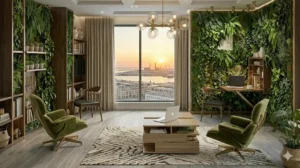
Indoor greenery in small homes requires careful planning. Unlike traditional potted plants, a vertical approach optimises space, turning walls into living décor. Vertical gardens increase oxygen output, absorb pollutants, and contribute to biophilic design, which research from the University of Exeter links to improved mental health. Integrating a vertical garden for small spaces not only maximises greenery but also brings aesthetic charm, transforming plain walls into vibrant focal points.
Health and wellness benefits
A living wall purifies air, reduces noise, and promotes relaxation. Plants like ferns, pothos, and peace lilies effectively filter toxins while thriving in limited indoor conditions. Studies from NASA indicate that indoor plants remove up to 87% of air pollutants over 24 hours, making a small space vertical garden a functional and health-enhancing feature, while contributing to indoor air quality improvement.
Maximising vertical space
In small apartments, floor space is often at a premium. Vertical solutions allow homeowners to grow plants upward rather than outward. Indoor living wall ideas utilise modular pockets, hanging planters, and trellises, ensuring greenery without crowding walkways or furniture. This strategy aligns with space efficient interior design and supports compact urban greenery.
Choosing the right plants for your green wall
Plant selection is crucial for longevity and maintenance. Low-light tolerant species are ideal for interior walls with minimal sunlight. Suitable options include:
- Pothos for trailing greenery
- Ferns for lush coverage
- Spider plants for easy care
- Philodendrons for adaptability
- Succulents for sunny spots
Selecting plants according to light, humidity, and maintenance preferences ensures your green wall in small spaces thrives. Combining foliage with small flowering plants adds visual interest and encourages engagement with the space. Effective plant selection for green walls is essential for long-term success.
Planning your small space vertical garden
Successful green walls require thoughtful planning:
Assess the wall
Consider structural support, lighting, and proximity to vents or windows. Walls near natural light sources are ideal. Avoid high-traffic areas where plants may be bumped or damaged.
Determine layout
Modular indoor living wall ideas allow flexible arrangements. Pocket panels, grid systems, or trellis designs accommodate different plant types and create visual depth. A staggered layout encourages better airflow and easier watering, reflecting vertical plant arrangement strategies.
Select containers
Vertical planters range from felt pockets to rigid plastic modules. Choose materials that retain moisture but allow proper drainage. Incorporating compact indoor living wall solutions with built-in reservoirs reduces watering frequency and minimises mess.
Installation techniques for compact living areas
Wall-mounted planters
These are ideal for small apartments. Securely attach lightweight containers using anchors suitable for the wall type. Grouping planters in a geometric pattern adds modern aesthetic appeal. Wall-mounted planters are an essential component of an organised vertical garden.
Hanging vertical gardens
Ceiling or rail-mounted systems allow plants to cascade downward, creating a dramatic effect without using floor space. Trailing plants like pothos and ivy excel in this setup. Hanging vertical gardens maximise green coverage in tight areas.
Modular pocket systems
Modular systems allow homeowners to expand their vertical garden for small spaces over time. Individual pockets can be moved or replaced, making maintenance and rearrangement simple. This aligns with modular shelving systems concepts in interior design.
Trellis and mesh setups
Trellises provide climbing surfaces for vining plants. Attach lightweight mesh or lattice structures to walls for ivy, philodendrons, or small flowering vines. This method supports living wall installation techniques that blend structural creativity with functional planting.
Care and maintenance tips
Maintaining a green wall requires consistent attention to ensure plant health.
Watering strategies
Drip irrigation systems or self-watering containers reduce manual effort and prevent overwatering. Ensure water does not accumulate at the base to avoid wall damage.
Pruning and trimming
Regular pruning promotes growth, prevents overcrowding, and keeps the wall looking tidy. Remove dead leaves and trim trailing vines to maintain structure. Effective plant maintenance strategies prolong plant life.
Fertilisation
Use slow-release or liquid fertilizers suitable for indoor plants. Fertilise according to plant requirements to promote vibrant foliage.
Pest control
Monitor for pests such as aphids or spider mites. Organic sprays or integrated pest management techniques help maintain plant health without harmful chemicals.
Design inspiration for small space green walls
Minimalist living walls
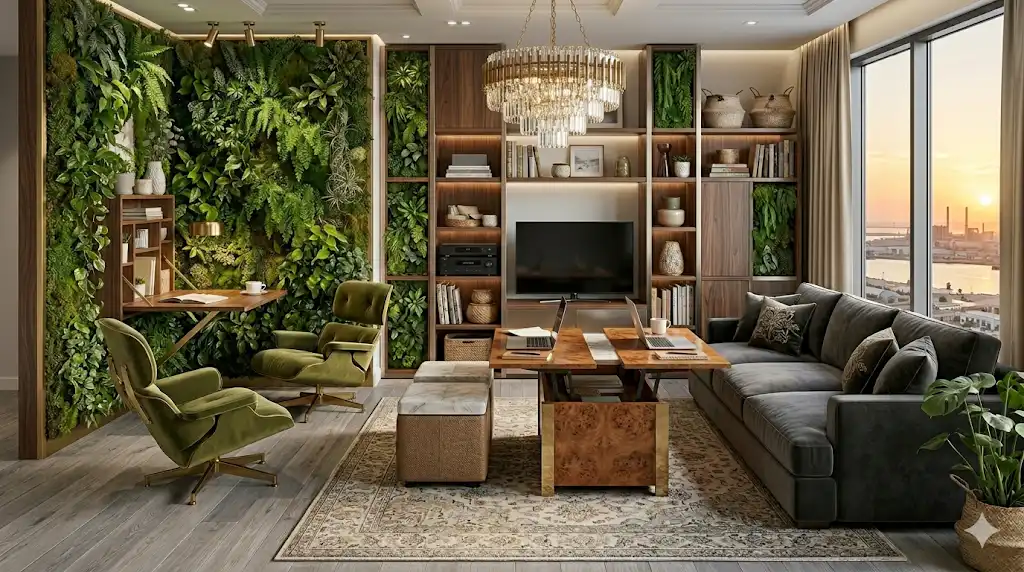
Incorporate clean lines, uniform planters, and consistent plant types to complement minimalist living room design. Monochromatic foliage or symmetric layouts create a sophisticated and calming visual impact.
Mixed foliage walls
Combine different leaf textures and shades of green to enhance depth and interest. Including flowering plants adds seasonal variation, complementing clutter free living room aesthetics.
Interactive vertical gardens
Add sensory elements such as aromatic herbs or tactile plants. Interactive green walls engage residents and visitors, aligning with smart furniture design principles.
Modular and adaptable designs
Also Read: 21 creative upcycled home decor ideas that transform everyday items into beautiful interiors
Use built in storage cabinets or pocket panels to adjust plant arrangements as your collection grows. Adaptable designs make it easier to rotate plants according to light exposure and seasonal needs. These modular solutions also complement small apartment furniture solutions.
Benefits beyond aesthetics
Green walls contribute to small apartment organisation and air quality, enhancing overall home functionality:
- Reduce indoor pollutants
- Improve humidity balance
- Absorb ambient noise
- Encourage mindful living spaces
By incorporating a green wall in small spaces, urban homeowners can enjoy a multifunctional feature that supports wellness, productivity, and beauty in compact interiors. Urban home storage strategies can be integrated around the green wall to optimise space use.
Conclusion
Creating a green wall in small spaces is a practical, stylish, and health-promoting way to integrate nature into urban homes. By selecting appropriate plants, planning layouts, and using vertical, modular, or hanging systems, even the smallest areas can support thriving greenery. Combining vertical garden for compact spaces, creative indoor living wall designs, and wall-mounted garden for small spaces techniques, along with smart vertical garden ideas for small spaces and compact indoor living wall solutions, results in an efficient, visually appealing, and functional green wall that transforms your living environment.
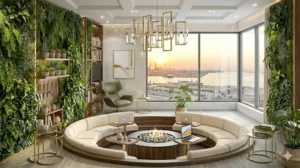
A thoughtfully maintained green wall not only improves air quality and mental wellbeing but also adds a living piece of art to your home. With these strategies, even compact apartments can enjoy the benefits of lush indoor vegetation.
Sources
- National Wildlife Federation
- University of Exeter, Biophilic Design Studies
- NASA Clean Air Study
- American Society of Interior Designers
FAQs
What are the best plants for a vertical garden for small spaces?
Low-light tolerant and trailing plants like pothos, ferns, spider plants, and philodendrons thrive in vertical gardens. They are easy to maintain, support air purification, and adapt well to compact areas. Modular pocket systems can accommodate multiple species, creating a visually engaging indoor green wall for small rooms.
How can vertical greenery ideas for interiors enhance air quality?
Indoor living walls filter airborne pollutants, absorb carbon dioxide, and release oxygen. Plants like ferns and peace lilies actively remove toxins, while dense foliage helps regulate humidity, supporting a healthier indoor environment and contributing to indoor air quality improvement.
What are practical installation methods for small space vertical gardens?
Common techniques include wall-mounted planters, hanging gardens, trellis systems, and modular pocket panels. Each method maximises vertical space while maintaining accessibility for watering and pruning. Choosing the right system ensures longevity and supports effective living wall installation techniques.
How do I maintain a clutter free living room with a green wall?
Regular pruning, trimming, and organised plant placement help keep foliage under control. Using modular planters or uniform containers contributes to a tidy and visually appealing minimalist living room design, ensuring the green wall complements the room without adding clutter.
Can small apartment organisation benefit from vertical gardens?
Yes, vertical gardens optimise wall space, leaving floors free for furniture or movement. Integrating vertical garden design for tiny homes solutions improves spatial efficiency, supports storage strategies, and enhances compact apartment interiors.
What irrigation systems work best for indoor living wall ideas?
Drip irrigation, self-watering planters, and built-in reservoir systems provide consistent moisture while preventing overwatering. These systems simplify maintenance, especially for wall-mounted garden for small spaces, and reduce the risk of water damage.
How can smart furniture design complement a green wall?
In compact apartments, combining multifunctional furniture with a green wall maximises efficiency. Tables with storage, foldable seating, and shelving units can be arranged around the wall to create functional zones that integrate greenery with small apartment furniture solutions.