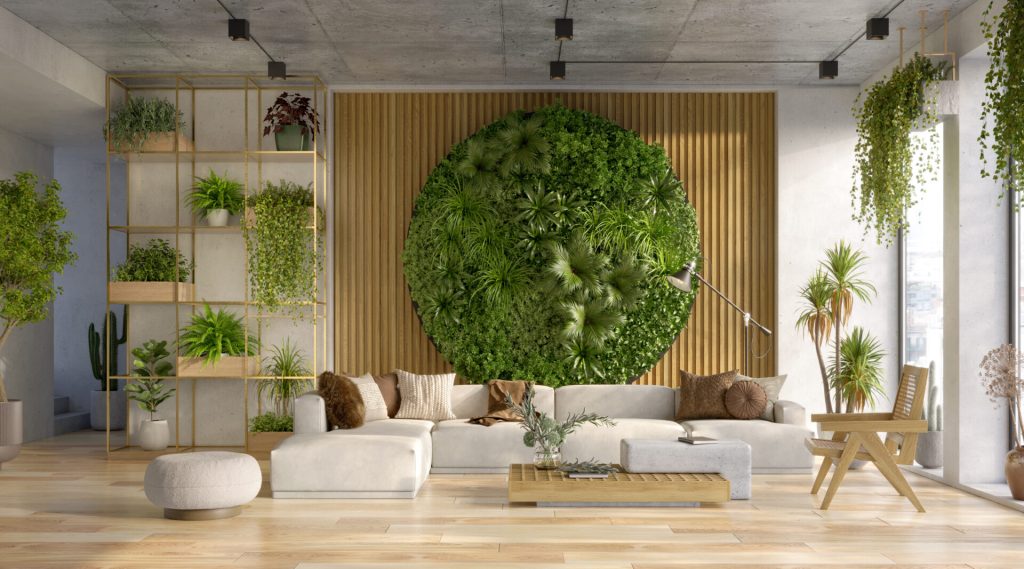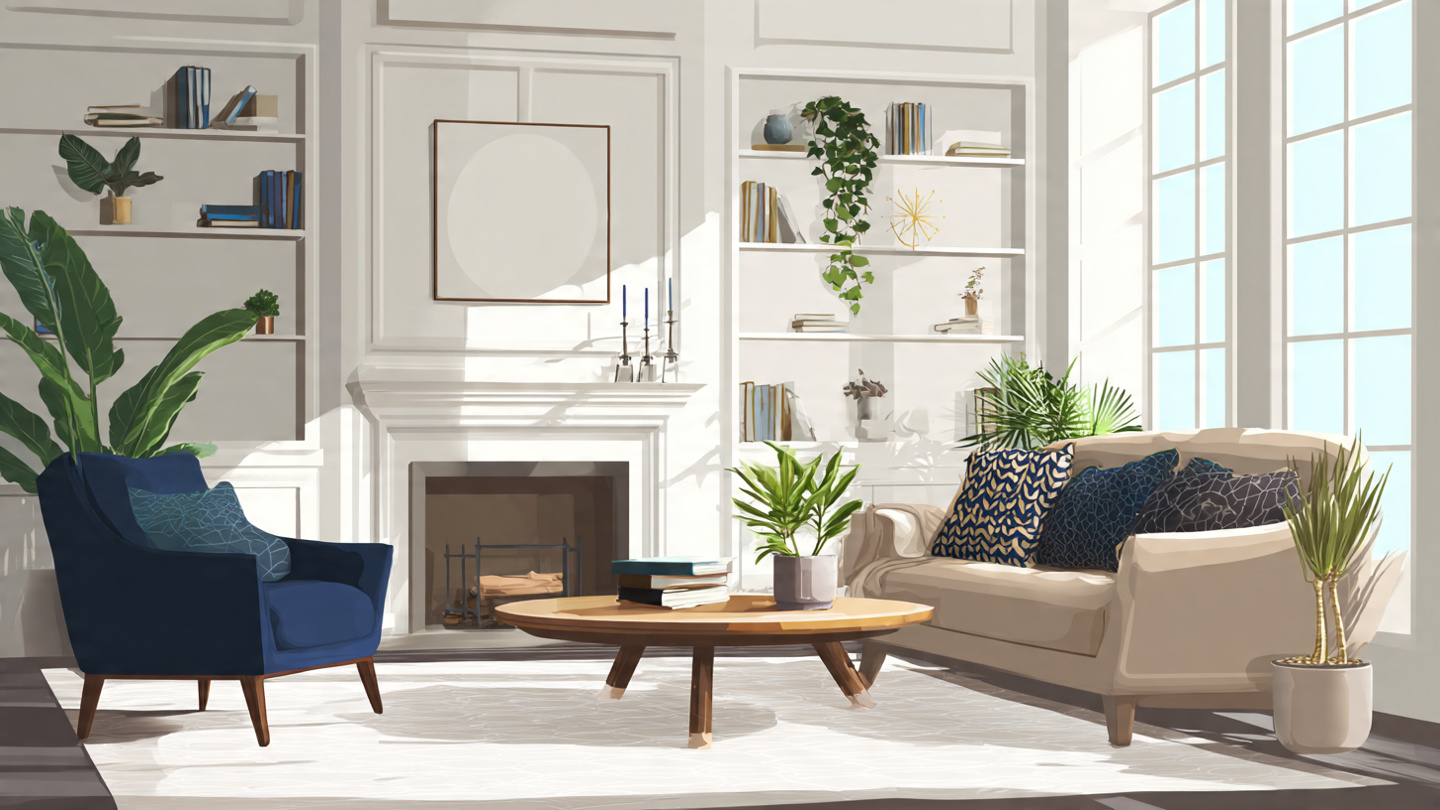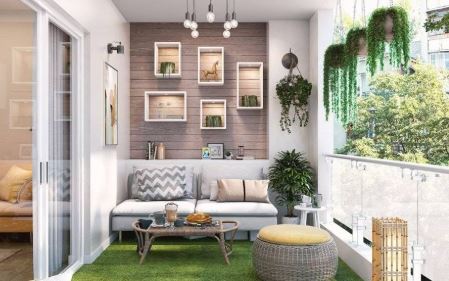
Lighting rarely gets the attention it deserves when people think about home upgrades. Paint colours, furniture, and layouts usually take centre stage, while lighting remains an afterthought. That is a missed opportunity. Apartment lighting ideas can transform a space more dramatically than most décor changes, often at a fraction of the cost and effort. Thoughtful lighting improves mood, enhances functionality, and visually reshapes rooms without touching a single wall.
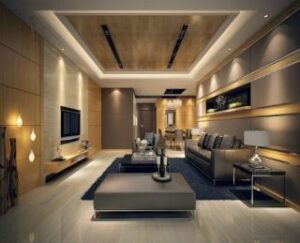
Apartments present unique challenges. Limited square footage, fixed layouts, rental restrictions, and uneven natural light often restrict design freedom. Smart lighting choices help overcome these constraints. When done well, lighting defines zones, highlights architectural features, and creates warmth that furniture alone cannot deliver. More importantly, good lighting supports daily activities such as working, cooking, relaxing, and entertaining.
This guide focuses on practical, research-backed lighting strategies that work specifically for apartments. You will learn how different light layers interact, how to avoid common lighting mistakes, and how to choose fixtures that enhance both aesthetics and function. Whether you live in a compact studio or a multi-room apartment, these principles apply universally and adapt easily to different budgets and styles.
Why lighting matters more in apartments than in houses
Apartments rely heavily on artificial light because many units have limited exposure to natural daylight. High-rise buildings, narrow windows, and neighbouring structures often reduce daylight penetration. As a result, lighting becomes a structural element rather than a decorative extra.
Lighting also influences how spacious an apartment feels. Poor placement creates shadows that visually shrink rooms. Balanced lighting, on the other hand, improves depth perception and makes ceilings appear higher and rooms wider. Research from the Illuminating Engineering Society highlights that uniform light distribution improves visual comfort and spatial perception in compact living environments.
Another critical factor is flexibility. Unlike houses, apartments rarely allow electrical rewiring or structural changes. Lighting solutions must work within existing sockets and ceiling points. Portable lamps, plug-in fixtures, and modular lighting systems therefore play a larger role in apartment design than in standalone homes.
Understanding the three layers of lighting
Effective apartment lighting always relies on three interconnected layers. Ignoring any one of them leads to imbalance and discomfort.
Ambient lighting as the foundation
Ambient light provides overall illumination. It ensures safe movement and establishes baseline brightness. Ceiling lights, flush mounts, recessed lighting, and indirect cove lighting usually serve this purpose. For apartments, ambient lighting should feel soft and evenly distributed rather than harsh and centralised.
The concept of ambient lighting ideas for apartments focuses on diffused light sources that reduce glare. Using warm white bulbs with appropriate lumen output helps create a comfortable environment that does not overwhelm smaller rooms. According to the United States Department of Energy, layered lighting reduces eye strain and improves visual clarity across living spaces.
Task lighting for everyday activities
Task lighting supports specific actions such as reading, cooking, working, or grooming. Desk lamps, under-cabinet lights, and bedside lamps fall into this category. In apartments where spaces serve multiple purposes, task lighting becomes essential for functional zoning.
For example, a single living room may function as a workspace during the day and a relaxation zone at night. Adjustable task lighting allows users to adapt the environment without changing furniture placement. Proper task lighting also reduces reliance on high-intensity ambient lights, improving energy efficiency in apartment lighting ideas.
Accent lighting for depth and character
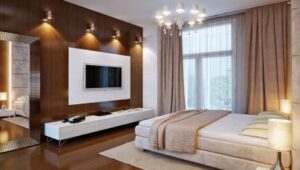
Accent lighting highlights textures, artwork, shelving, and architectural features. Wall washers, picture lights, and LED strips add visual interest and depth. Accent lighting also enhances the perceived size of a room by drawing attention outward rather than inward.
Well-placed accent lights transform flat spaces into layered environments. Interior design studies published by the Illuminating Engineering Society confirm that accent lighting improves spatial definition and emotional comfort when used in moderation.
Matching lighting temperature to apartment zones
Colour temperature plays a crucial role in how a space feels. Measured in kelvins, light temperature influences mood, focus, and relaxation.
Warm light between 2700K and 3000K suits bedrooms and living areas. It promotes relaxation and mirrors evening sunlight. Neutral light around 3500K works well in kitchens and bathrooms where clarity matters. Cooler light above 4000K supports concentration but can feel clinical if overused.
One of the most effective apartment lighting ideas involves mixing colour temperatures strategically. This approach supports different activities without compromising visual harmony. Energy Star lighting guidelines emphasise the importance of matching colour temperature to room function to enhance comfort and usability.
Choosing fixtures that respect space constraints
Low-profile ceiling fixtures
Apartments often have lower ceilings than houses. Bulky chandeliers can overwhelm a space and disrupt visual flow. Low-profile fixtures such as flush mounts and semi-flush designs provide sufficient illumination without encroaching on vertical space.
Decorative lighting fixtures for homes work particularly well in hallways and bedrooms where headroom matters. They also blend seamlessly with modern and transitional décor styles.
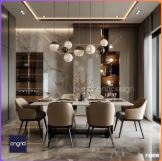
Wall-mounted lighting solutions
Wall sconces free up floor and table space. They offer ambient or task lighting depending on placement and design. Plug-in sconces are ideal for renters because they require no permanent installation.
Wall lighting also supports modern lighting ideas for small spaces by adding vertical emphasis. This visual trick makes walls feel taller and rooms feel more open.
Portable and modular lamps
Floor lamps, table lamps, and clamp lights provide flexibility. They adapt easily to layout changes and evolving needs. Modular lighting systems allow users to expand or rearrange fixtures without replacing entire setups.
These options align with best interior lighting solutions for apartments where adaptability and portability matter more than fixed installations.
Using light to visually expand small apartments
Lighting has a powerful psychological effect on perceived space. Bright corners feel farther away than dark ones. Even illumination reduces visual boundaries and creates openness.
Indirect lighting plays a significant role here. LED strips behind headboards, shelves, and cabinets bounce light off surfaces, creating a soft glow that expands the room visually. Mirrors paired with light sources amplify brightness and depth.
Modern lighting ideas for small spaces often rely on reflection and diffusion rather than brightness alone. Architectural Digest highlights that layered lighting combined with reflective surfaces can make compact apartments feel significantly larger without structural changes.
Energy efficiency and smart lighting benefits
Energy efficiency matters in apartments where lighting may remain on for extended periods. LED bulbs consume significantly less energy and last longer than incandescent or halogen options. According to Energy Star, LEDs use up to seventy five percent less energy and last up to twenty five times longer.
Smart lighting systems add another layer of control. Timers, dimmers, and app-based controls allow users to adjust brightness and schedules effortlessly. Dimming capabilities also extend bulb life and improve ambience.
Smart solutions represent some of the best interior lighting solutions available today, combining efficiency, convenience, and personalisation without major installation work.
Decorative lighting as functional art
Lighting fixtures double as design elements. Pendant lights, sculptural lamps, and statement sconces contribute to overall décor even when switched off.
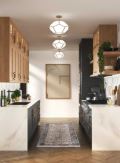
Decorative lighting fixtures for homes add personality to otherwise neutral apartment interiors. Materials such as glass, brass, ceramic, and fabric introduce texture and visual warmth. When chosen carefully, decorative fixtures become focal points without overwhelming the space.
Balance remains essential. Decorative lighting should complement existing furniture and colour palettes rather than compete with them. The goal is cohesion, not clutter.
Common apartment lighting mistakes to avoid
Many apartments suffer from single-source lighting. A lone ceiling fixture creates harsh shadows and uneven brightness. Another common mistake involves choosing bulbs with mismatched colour temperatures, resulting in visual discomfort.
Overly bright lighting also causes fatigue and reduces relaxation. Lighting should support activities without dominating the environment. The International Association of Lighting Designers emphasises moderation and balance as core principles of effective residential lighting.
Avoid neglecting dimmers. Adjustable lighting provides flexibility and enhances comfort across different times of day.
Creating a lighting plan before buying fixtures
Planning prevents costly mistakes. Create ambient lighting ideas for apartments. Start by identifying room functions and existing light sources. Measure spaces and ceiling heights. Consider furniture placement and daily routines.
A simple lighting plan outlines ambient, task, and accent needs for each room. This approach ensures consistency and prevents overbuying fixtures. Thoughtful planning also improves long-term satisfaction and reduces unnecessary changes.
Using apartment lighting ideas strategically during planning ensures cohesive results rather than piecemeal upgrades.
Long-term impact of thoughtful lighting
Good lighting improves mental well-being, productivity, and sleep quality. Studies referenced by the National Institute of General Medical Sciences show that light exposure influences circadian rhythms and emotional health.
Apartments with balanced lighting feel calmer, more organised, and more welcoming. Smart apartment lighting ideas also affects how people perceive cleanliness and order. Well-lit spaces appear tidier and more inviting, even with minimal décor.
Also Read: Budget home decor ideas that make small homes look modern, calm, and thoughtfully designed
Over time, lighting upgrades deliver consistent value by improving daily living experiences rather than just visual appeal.
Conclusion
Lighting shapes how an apartment looks, feels, and functions. When chosen thoughtfully, it becomes a powerful design tool rather than a background utility. Apartment lighting ideas help overcome space limitations, enhance comfort, and support modern living without structural changes. By layering light, selecting appropriate fixtures, and prioritising efficiency, any apartment can feel brighter, larger, and more personal. Smart lighting decisions create environments that adapt to daily life and grow with changing needs.
Frequently asked questions
How do ambient lighting ideas for apartments improve comfort and mood
Ambient lighting ideas for apartments play a critical role in shaping how a living space feels throughout the day. Soft, evenly distributed light reduces harsh shadows and visual fatigue, which is especially important in compact homes with limited natural light. Using warm-toned ambient illumination helps create a calming atmosphere that supports relaxation after long work hours. Indirect lighting techniques such as wall washing or reflected light also prevent glare, making rooms feel more welcoming. When ambient lighting is planned thoughtfully, it enhances emotional comfort, improves visibility, and supports everyday activities without overwhelming the space.
What are the best interior lighting solutions for multipurpose apartment rooms
The best interior lighting solutions for apartments with multipurpose rooms focus on flexibility and layering. Spaces that function as living areas, work zones, and entertainment areas benefit from a mix of ambient, task, and accent lighting. Adjustable lamps, dimmable fixtures, and directional lights allow residents to change the lighting based on activity without rearranging furniture. Layered lighting also helps visually separate zones within the same room. This approach improves usability, reduces eye strain, and ensures the space adapts smoothly to different needs throughout the day.
How do modern lighting ideas for small spaces make rooms look bigger
Modern lighting ideas for small spaces rely on visual perception rather than increased brightness alone. Lighting that reaches corners and vertical surfaces reduces dark areas that visually shrink a room. Wall-mounted fixtures and indirect lighting draw the eye upward, creating the impression of height. Reflective surfaces combined with soft light diffusion enhance depth and openness. Rather than relying on a single overhead source, layered lighting spreads illumination evenly, which makes boundaries feel less defined. This strategy helps compact apartments appear more spacious, balanced, and comfortable.
Are decorative lighting fixtures for homes practical in apartments
Decorative lighting fixtures for homes can be both practical and impactful in apartments when chosen carefully. Beyond aesthetics, these fixtures contribute to layered lighting by adding accent or ambient illumination. Sculptural lamps, minimalist pendants, or artistic wall lights serve as functional décor, reducing the need for additional decorative items. In apartments with neutral interiors, decorative lighting adds personality without clutter. When scaled appropriately and placed strategically, these fixtures enhance visual interest while still supporting daily lighting needs in smaller living environments.
How does lighting placement affect functionality in apartments
Lighting placement directly influences how functional an apartment feels. Poorly placed lights create uneven brightness, shadows, and discomfort during daily tasks. Proper placement ensures that work surfaces, seating areas, and walkways receive adequate illumination. Task lighting positioned close to activity zones improves focus and safety, while ambient lighting supports overall visibility. Accent lighting draws attention to architectural features or storage areas. Thoughtful placement helps apartments feel organised and intentional, making daily routines smoother and reducing reliance on overly bright general lighting. Decorative lighting fixtures for homes add both visual character and functional illumination, helping living spaces feel more inviting while reflecting personal style.
What role does colour temperature play in apartment lighting
Colour temperature strongly affects how apartment interiors are perceived and experienced. Warm tones promote relaxation and are well suited for bedrooms and living areas, while neutral tones improve clarity in kitchens and bathrooms. Using inconsistent colour temperatures across rooms can feel visually jarring and uncomfortable. Matching light temperature to room function creates harmony and supports natural rhythms. Balanced colour temperature selection also improves visual comfort, making spaces feel cohesive and purpose-driven rather than overly bright or dull.
How can energy-efficient lighting benefit apartment living
Energy-efficient lighting offers long-term benefits for apartment residents by reducing electricity consumption and maintenance needs. LED lighting uses less power while providing consistent brightness and better colour quality. Efficient lighting also generates less heat, which helps maintain indoor comfort in smaller spaces. When combined with dimmers or smart controls, energy-efficient options allow precise adjustment of light levels throughout the day. This approach supports sustainability, lowers utility costs, and improves overall lighting performance without compromising comfort or style.
Sources and references
United States Department of Energy
Energy Star Lighting Guidelines
Illuminating Engineering Society
International Association of Lighting Designers
Architectural Digest
National Institute of General Medical Sciences