Introduction
Living in a smaller home doesn’t mean sacrificing style or comfort. With the right small living room ideas, even compact lounges can feel open, cohesive and tailored to your lifestyle. Expert designers often prioritise functionality, visual flow and thoughtful furniture placement to ensure a room feels larger than it actually is. These approaches draw from architectural and interior design research on spatial perception, proportion and human movement within small areas. Through intentional design decisions, compact living spaces can have both personality and practicality without feeling cramped or chaotic.
Understanding the challenges of small living rooms
Why space perception matters
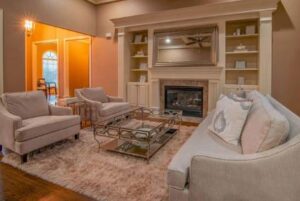
A small living room can feel confining when elements aren’t thoughtfully arranged. Visual clutter, improper scale and blocked sightlines make tight areas seem smaller. Designers emphasise enhancing perceived space by manipulating light, reflections and layout patterns. For example, using mirrors to reflect natural light can visually expand a room by creating depth and brightness. Full length or strategically placed mirrors opposite windows help bounce light throughout the space, reducing heavy shadows and improving spatial perception. This trick is effective whether your home is large or modest in size, as it plays on the human eye’s interpretation of distance and continuity.
Balancing function with aesthetics
The toughest part of small living room ideas lies in balancing comfort with aesthetic appeal. Sitting areas need to accommodate relaxation, socialising and media viewing without overcrowding. Meanwhile, decor choices should elevate mood and personality without overwhelming the design. Contemporary interior science suggests that a well anchored room with a clear focal point and layered arrangement improves both functionality and visual interest. Designers often recommend treating living rooms as multifunctional spaces where form supports everyday use rather than obstructs it.
Essential elements of effective small living room layout ideas
Start with a strong focal point
Designing your layout around a focal point helps provide clarity and purpose to a room, even when it’s compact. The focal feature could be a fireplace, a large window, a piece of artwork or even a carefully curated media wall. By anchoring your seating and decor around this element, the space feels intentional rather than random. This method also helps manage traffic flow and furniture placement so that movement through the room feels natural.
Prioritise scale and proportion
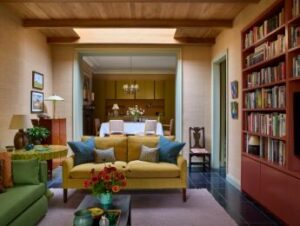
Choosing the right size of furniture is crucial for small living room ideas. Oversized couches, bulky tables or furniture pushed awkwardly into corners can dominate a compact space, hindering both movement and eye flow. Designers urge homeowners to assess room dimensions carefully and select items that leave sufficient clearance for walking paths and visual breathing room. Arranging seating symmetrically or in conversational clusters can create balance and enhance the sense of unity, making a small space feel cohesive rather than chaotic.
Embrace multifunctional seating arrangements
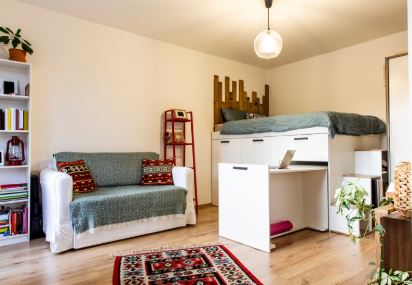
In small spaces, every piece should earn its place through functionality and flexibility. Modular sofas, ottomans that double as seating and surface space, and benches with built-in storage allow you to adapt the space for different occasions. Seating can be pulled together for conversation or spread out for movie nights, offering versatility without sacrificing comfort. These layouts encourage a sense of flow and usability that traditional furniture arrangements cannot always provide in compact rooms. Experts say that prioritising flexible seating helps rooms feel less rigid and more inviting.
Strategic furniture arrangement for compact living rooms
Floating furniture for better flow
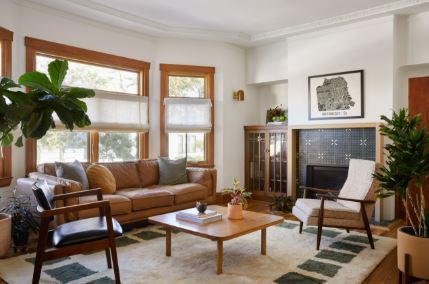
Small living room furniture arrangement is crucial as it helps maximise space. One common misconception is that pushing furniture against walls maximises space. In reality, slightly floating sofas and chairs away from walls can create circulation zones and give the room a more intentional composition. This technique establishes natural pathways and prevents the room from feeling boxed in. A small gap between furniture and walls also subtly suggests extra space and allows light to travel more freely around the room.
Built in and open storage solutions
Smart storage is indispensable in small living room ideas. Built in shelving, vertical cabinets and wall mounted units keep floor space clear while providing ample room for books, media, art and decorative items. Open shelving systems not only serve storage needs but also allow homeowners to display personal items in a curated way. This approach enhances both aesthetic dynamics and function, keeping clutter at bay and enabling each element to contribute to the room’s sense of purpose and personality.
Use vertical space intentionally
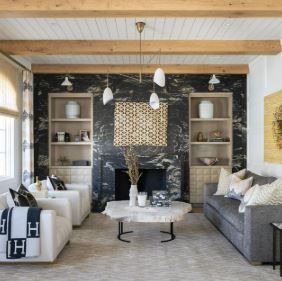
The vertical dimension often gets overlooked, but it is fundamental for compact spaces. Tall bookshelves, floor to ceiling draperies and vertical blinds draw the eye upward, creating the illusion of height and greater volume. In contrast, keeping everything low and horizontal compresses perception and can make a room feel flatter. By working with vertical lines and structures, small living rooms achieve more dimensional layering without crowding the floorplan.
Colour, light and texture tricks that enhance small space living room design
Light colours and cohesive palettes
Selecting colour schemes that reflect light improves spatial perception. Light hues such as soft neutrals, warm pastels and muted earth tones reflect natural and artificial light, making a room feel brighter and larger. Consistent palette choices across walls, trim and ceiling blur boundaries and expand the perceived area. small space living room design creates monochromatic schemes with subtle tonal shifts preventing visual fragmentation and creating a smooth flow across the space.
Layered lighting for function and mood
Good lighting design does more than illuminate; it sets mood and directs attention. Layered lighting strategies combine ambient, task and accent layers to provide both comfort and efficiency. Overhead fixtures paired with floor or table lamps add depth, while accent lighting highlights art or architectural features. This multi layer technique brightens dark corners and enhances the overall warmth of a room, making it feel bigger and more welcoming.
Small living room ideas for reflective and textured surfaces
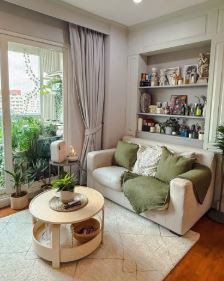
Mirrors, glossy finishes and lighter textures enhance perceived depth by reflecting light and extending sightlines. Carefully placed mirrors opposite windows or light sources amplify brightness and visually double the space. Textured elements like woven rugs, layered cushions and patterned throws add depth without overwhelming aesthetics. These surface contrasts build dimension and personality while keeping the environment visually open.
Compact living room furniture arrangement tips
Select appropriately scaled furniture
Furniture with slimmer profiles and raised legs offers visual lightness, making the floor area appear more expansive. Low sitting sofas, chairs with open bases and minimalist shelving contribute to a spacious feel. Avoid bulky pieces that sit low and heavy, because they visually shrink a room’s footprint. Balance is key; furniture should feel comfortable yet proportionate to the available space.
Flexible surfaces and multifunctional pieces
Coffee tables with storage, nesting tables, and bucket ottomans help serve multiple roles without overcrowding. These elements allow you to shift between functional needs from seating to serving with minimal rearrangement. Flexible pieces also encourage dynamic layouts that adapt to social occasions, making your compact living room more versatile and welcoming.
Compact living room decorating tips prioritise clear traffic paths
Clear circulation routes prevent the room from feeling congested with small living room furniture arrangement ideas. Designers recommend arranging furniture so that walkways remain unobstructed and sightlines extend from one side of the room to another. Keeping pathways open strengthens spatial continuity, making your room seem larger and more cohesive.
Decorating tips that elevate compact living spaces
Create visual interest without clutter
Decorative elements should complement space, not compete with it. Large artwork, statement plants and purposeful accessories anchor design without crowding. When selecting wall pieces or sculptures, pick items that resonate with your aesthetic yet maintain clarity. This strategy prevents visual noise and promotes an elegant, intentional ambiance in living room layout ideas.
Integrate personal touches tastefully
Personalised decor such as framed family photos, heirloom pieces or treasured books adds emotional depth to a room. Integrating these items strategically helps the space feel lived in rather than staged. Grouping them purposefully and avoiding random clutter ensures that personality does not compromise spatial grace.
Incorporate statement lighting and accessories
Unique lighting fixtures and well chosen accessories draw attention upward and outward, expanding your room’s visual horizon. Pendant lights or sculptural floor lamps serve both function and form. Carefully chosen accessories offer focal points without overcrowding the space, enhancing both personality and design coherence.
Common small living room mistakes and how to avoid them
Avoid oversized furniture
Large sectional sofas or bulky chairs might seem inviting, but they can dominate a small living room and compromise flow. Designers advise opting for proportionate seating that aligns with room dimensions and enhances comfort without overwhelming. This ensures both comfort and circulation.
Don’t neglect vertical design
Ignoring vertical space such as tall shelving or full length curtains limits a room’s potential. Instead, elevate design focus above eye level to draw attention upward and expand perceived height. This simple shift in compact living room decorating tips significantly impacts the overall feel of a compact space.
Avoid placing all furniture against walls
Also Read: Temporary home decor ideas that transform rental apartments without damage or stress
While instinct may suggest pushing items to walls to save space, doing so can restrict movement and make a room feel rigid. Floating furniture and grouping elements closer to the centre create more fluid layout dynamics, improving both flow and visual comfort.
Conclusion
Small living rooms have enormous potential when approached with thoughtful design strategies. These small living room ideas combine functional planning, thoughtful layout choices, intentional lighting, and smart furniture arrangement to transform compact spaces into welcoming, stylish environments. With deliberate decision making rooted in human comfort and spatial psychology, compact living rooms can rival larger spaces in both aesthetics and comfort. Whether you are working with a modest footprint or seeking to enhance a cosy area, these design principles ensure your lounge feels open, personal and beautifully arranged.
Sources and references
Homes and Gardens interior design advice
Homes and Gardens small living room layout ideas
LuxDeco small living room layout and design ideas
AND Academy small living room design guide
Small living room furniture strategies
Frequently asked questions
What are the best living room layout ideas for creating a comfortable seating area in a small space
Comfortable seating in a compact space depends on scale, flexibility and circulation. Arrange seating to promote conversation while maintaining clear traffic paths. Floating key pieces slightly away from the walls improves spatial flow, while multifunctional furniture lets you adapt the layout for various occasions. Built in storage and vertical shelving keep floor space open. Prioritising balance between aesthetics and usability ensures both comfort and a sense of continuity in small living room layout ideas.
How can small space living room design make a room feel larger
Small space living room design relies on visual tricks and thoughtful choices. Light colour schemes, mirrors and layered lighting help enhance brightness and perceived volume. Vertical elements like tall shelving and full length curtains draw the eye upward. Flexible furniture that does not block pathways and cohesive palettes reduce visual fragmentation. These strategies mix aesthetic cohesion with practical choices, making the room feel open and inviting even when floor area is limited.
What small living room furniture arrangement tips improve everyday usability
Effective furniture arrangement prioritises circulation and proportion. Keep pathways clear and avoid oversized pieces that disrupt flow. Group seating to establish defined social zones, and use multifunctional pieces that adapt to different needs. Wall mounted storage and vertical shelving free floor space while offering display opportunities. These small living room furniture arrangement strategies strike a balance between form and function, creating harmony and usability in compact environments.
Why should compact living room decorating tips focus on lighting and colour
Lighting and colour significantly impact spatial perception and comfort. Bright, layered lighting eliminates shadows and enhances ambiance, while cohesive, light colours reflect natural light to visually expand the room. Together, these elements reduce visual congestion and create a sense of continuity. Thoughtful use of texture and contrast adds depth, ensuring the space feels dynamic but not cluttered. These compact living room decorating tips support both aesthetic appeal and everyday comfort.
What mistakes should you avoid in compact living room design
Avoid placing oversized or low profile furniture that overwhelms the space. Neglecting vertical space limits perceived height, so incorporate tall elements to expand architecture visually. Pushing all furniture against walls can stifle circulation and make the room feel rigid. Instead, focus on intentional circulation paths, thoughtful focal points, and coordinated decor that enhances visual flow and comfort without overwhelming the room.
How can multifunctional furniture improve compact living rooms
Multifunctional furniture offers flexibility and efficiency in limited square footage. Pieces like ottomans with storage, modular seating that adapts to needs, and nesting tables that expand or collapse based on use reduce clutter. These options help preserve open floor space, support different activities and improve day to day usability. This versatility makes compact living rooms more practical and enjoyable.
What role does vertical space play in small living room design
Vertical space amplifies perceived height and volume in a small living room. Tall shelving, floor to ceiling curtains and vertical lighting draw the eye upward, making the space feel larger. Wall mounted storage maximises functionality without taking floor space, while vertical artworks or features enhance design interest. Prioritising vertical elements broadens visual horizons and strengthens overall spatial coherence.