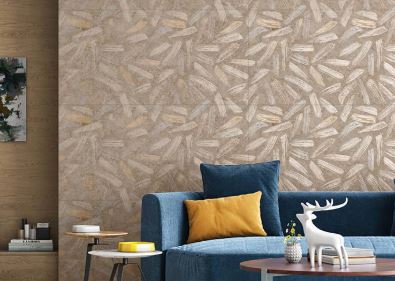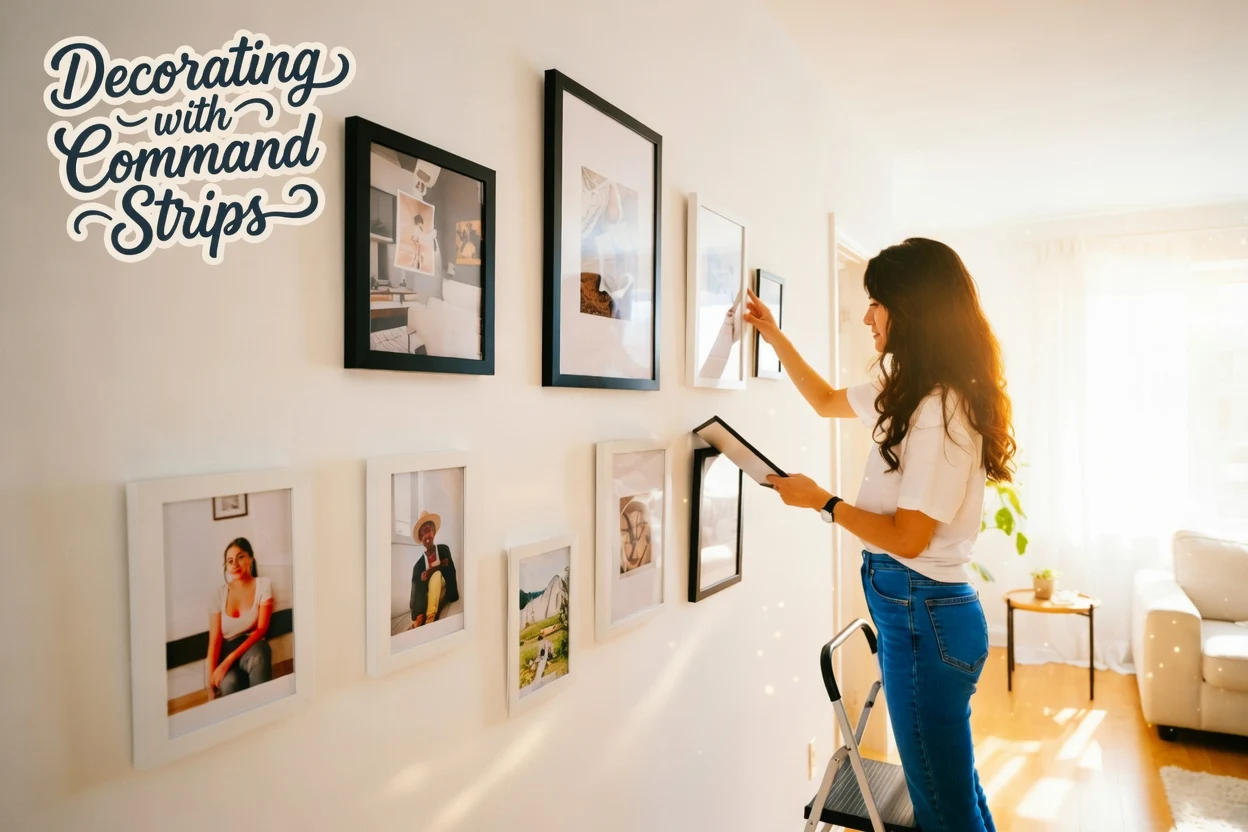
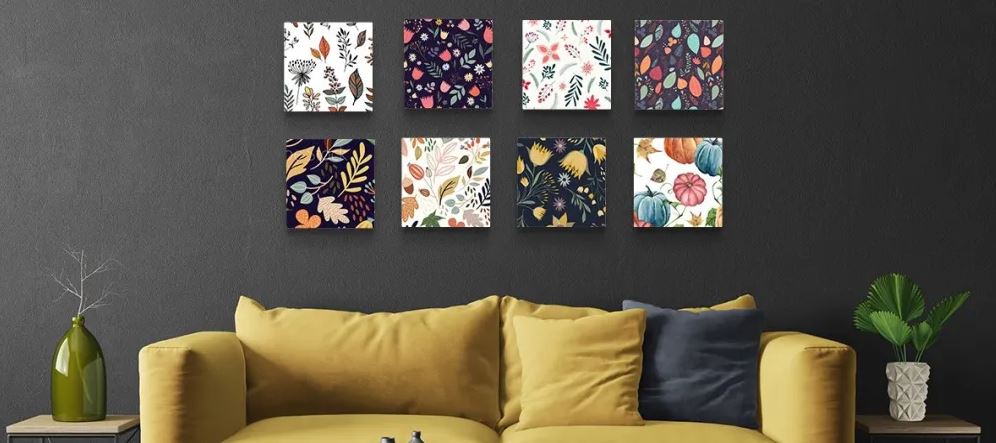
Decorating a wall should feel exciting, not stressful. Yet for many people, the idea of hammering nails or drilling holes brings instant hesitation. Renters worry about security deposits, homeowners think about cracked plaster, and almost everyone dislikes permanent damage. That is exactly why wall decor without nails has become such a popular interior design approach. It offers freedom, flexibility, and creativity without the long term commitment of tools and repairs.
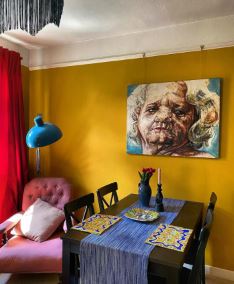
In recent years, interior styling has shifted toward smarter, low impact solutions. Researchers and housing authorities increasingly emphasise reversible home modifications, especially in rental properties. The goal is simple: personalise a space without compromising structural integrity. This article explores reliable, research backed methods that help you decorate walls safely and beautifully, using techniques that respect both your walls and your peace of mind.
Whether you live in a rental apartment, a dorm room, or a freshly painted home, you will find practical, realistic solutions here. Every method discussed is based on widely accepted housing standards, material science principles, and interior design practices supported by trusted informational sources.
Why people are moving away from nails and drilling
Traditional wall hanging methods were designed for permanence. Nails, screws, and drills work well for heavy fixtures, but they also leave visible marks and weaken wall surfaces over time. According to housing maintenance guidance published by government housing departments, repeated drilling can compromise drywall strength and increase long term repair costs.
Modern living demands flexibility. People move more often, redecorate frequently, and expect homes to adapt to changing needs. Damage free wall decor supports this lifestyle by allowing walls to remain intact while still expressing personality. This shift also aligns with sustainability goals, as fewer repairs mean less material waste and lower renovation impact.
Another important factor is safety. Improper drilling can damage electrical wiring or plumbing hidden behind walls. Informational resources from national building safety organisations consistently warn against unplanned drilling, especially in older buildings. Choosing non invasive alternatives reduces these risks significantly.
Understanding how walls react to weight and pressure
Before exploring solutions, it helps to understand how walls behave. Drywall, plaster, and painted concrete each respond differently to pressure. Nails concentrate force at a single point, which is why cracks and chips often appear. Adhesive based systems distribute weight more evenly across a surface, reducing stress on any one area.
Material science studies published by academic institutions explain that modern pressure sensitive adhesives bond at a molecular level without penetrating the surface. When removed correctly, they release without tearing paint or plaster. This scientific principle is the foundation of most wall decor without drilling methods used today.
Knowing this helps you choose the right solution for the right item. Lightweight frames, textiles, and decorative objects work best with non invasive methods, while extremely heavy items may still require professional installation.
Adhesive hooks and strips as a foundational solution
Adhesive hooks and strips are often the first thing people think of when exploring no nail wall hanging ideas. Their popularity is not accidental. When used correctly, they offer strong hold and clean removal. Consumer safety research from independent testing organisations shows that high quality adhesive strips can support several kilograms when applied to clean, smooth surfaces.
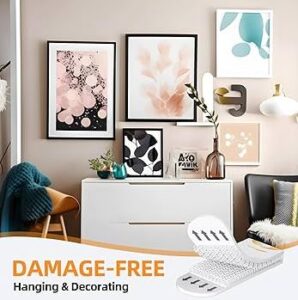
The key lies in preparation. Walls must be dust free and dry. Skipping this step is the most common reason for failure. Once applied, allowing the adhesive to cure for the recommended time significantly improves performance. This method works well for framed art, calendars, decorative baskets, and even small shelves designed specifically for adhesive mounting.
What makes this option appealing is its reversibility. If you change your layout or move homes, removal does not involve patching holes or repainting entire walls. That flexibility is central to the appeal of damage free wall decor.
Removable wall decals and murals for visual impact
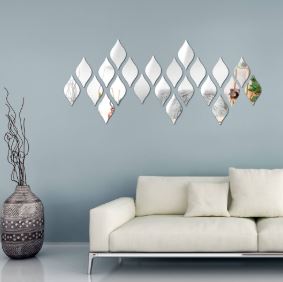
Removable decals and murals offer a creative approach to wall styling. Unlike traditional wallpaper, these products are designed to peel off without leaving residue. Studies referenced by interior design research journals note that vinyl based decals adhere through static or light adhesive bonds, which do not penetrate paint layers.
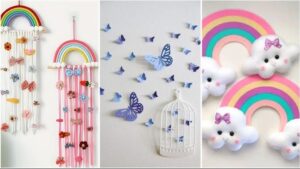
These options are especially effective for large visual impact without physical weight. Botanical designs, geometric patterns, and artistic illustrations can transform a room in minutes. They are widely used in temporary housing, children’s rooms, and shared living spaces where permanent changes are discouraged.
Another advantage is adaptability. If trends change or your taste evolves, replacing a decal is simple. This makes removable wall decor ideas ideal for people who enjoy experimenting with interior aesthetics without long term commitment.
Fabric based wall hangings and tapestries
Textiles have been used in interior decoration for centuries. Today, lightweight fabric wall hangings offer a modern, renter friendly alternative to framed art. According to cultural studies published by academic design institutions, fabric decor absorbs sound and softens visual space, contributing to a more comfortable environment.
Mounting these pieces does not require nails. Adhesive hooks, removable clips, or tension rods can support most fabric hangings. Because textiles are lightweight, they place minimal stress on wall surfaces. This makes them particularly suitable for older buildings with fragile plaster.
Fabric decor also offers seasonal flexibility. You can rotate designs throughout the year, aligning your space with changing moods or weather, all without touching a hammer.
Leaning and layering decor instead of hanging
One of the simplest strategies for wall decor without nails is not hanging at all. Leaning framed art against walls on shelves, mantels, or even the floor has become a recognised design technique. Interior styling guides from architectural publications highlight this approach as both modern and practical.
This method avoids wall contact entirely while still creating depth and visual interest. Layering multiple frames of different sizes adds dimension without requiring any wall attachment. It works especially well in living rooms, bedrooms, and home offices where furniture provides natural support.
Leaning decor also encourages experimentation. You can rearrange pieces whenever inspiration strikes, without worrying about alignment holes or wall damage.
Using tension based systems for vertical spaces
Tension based systems use pressure between two surfaces, such as floor to ceiling poles or adjustable rods. These systems are commonly used in bathrooms and closets, but they also work well for decorative purposes. Research from ergonomic design studies confirms that tension systems distribute force evenly, reducing surface strain.
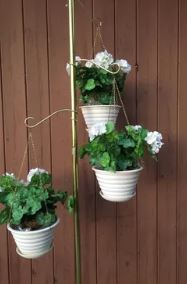
In decorative applications, tension rods can support hanging plants, lightweight shelves, or fabric panels. Because they rely on compression rather than penetration, they qualify as wall decor without drilling solutions. They are especially useful in narrow spaces where traditional hanging methods feel intrusive.
Proper measurement is essential. When installed correctly, tension systems remain stable without leaving marks, making them a smart option for temporary or evolving spaces.
Magnetic and rail based display methods
Magnetic paint and adhesive rails offer innovative ways to display art and photographs. While magnetic paint requires initial preparation, adhesive rails do not. Museums and galleries often use rail systems to rotate displays without repeated wall damage, a practice documented by cultural heritage preservation organisations.
At home, adhesive rails can hold hooks or clips that slide along a track. This allows easy repositioning of artwork. The weight is distributed along the rail rather than concentrated at a single point, reducing stress on the wall.
This approach suits people who frequently update displays or enjoy curated photo walls. It aligns well with the principles of damage free wall decor by minimising repeated surface contact.
Choosing the right solution for different rooms
Not all rooms have the same requirements. Kitchens and bathrooms experience humidity, which affects adhesive performance. Building maintenance guidelines from public housing authorities recommend moisture resistant products in these areas. Bedrooms and living rooms offer more flexibility, as environmental conditions are more stable.
Children’s rooms benefit from soft, lightweight decor to reduce injury risk. Removable decals and fabric hangings are particularly suitable here. Home offices often need functional decor, such as calendars or boards, which can be mounted using adhesive systems designed for frequent interaction.
Understanding room specific needs helps you apply no nail wall hanging ideas effectively, ensuring both safety and longevity.
Common mistakes to avoid when decorating without nails
Even the best products can fail if misused. One common mistake is exceeding weight limits. Independent testing agencies consistently report that adhesive failures are usually caused by overload rather than product defects.
Another issue is improper removal. Pulling adhesive strips away from the wall instead of downward can damage paint. Following manufacturer guidelines, which are based on material testing standards, prevents this problem.
Surface type matters too. Textured walls reduce adhesive contact area. In such cases, alternative methods like leaning decor or tension systems may be more reliable. Being mindful of these factors ensures successful wall decor without nails results.
Long term maintenance and wall health
Protecting walls is not just about avoiding holes. Paint integrity, moisture control, and surface cleanliness all contribute to wall longevity. Housing maintenance manuals published by government bodies emphasise regular inspection and gentle cleaning to prevent deterioration.
Non invasive decor methods support these goals. They allow walls to breathe, reduce repair frequency, and maintain original finishes. Over time, this approach preserves property value and reduces renovation costs.
For renters, this also simplifies move out processes. For homeowners, it keeps renovation options open. In both cases, removable wall decor ideas align with responsible home care practices.
Why this approach aligns with modern living
Modern homes are dynamic spaces. They serve multiple purposes and evolve with their occupants. The rise of flexible work arrangements, shared living, and short term rentals has increased demand for adaptable interiors. Wall decor without nails supports this shift by offering creativity without consequence.
Also Read: Indoor plants for air purification that quietly improve air quality at home
Design research published by academic institutions consistently shows that personalisation improves emotional well being. When people feel free to decorate without fear of damage, they are more likely to create spaces that reflect their identity. That psychological benefit is often overlooked but deeply important.
In this sense, decorating without nails is not just a technical choice. It is a lifestyle decision that prioritises freedom, safety, and sustainability.
Conclusion
Wall decor without nails offers a practical, research supported solution for modern homes that value flexibility and care. By choosing methods that respect wall materials and living conditions, you can personalise your space without stress or long term damage. From adhesives and textiles to leaning displays and tension systems, these approaches provide reliable alternatives to traditional hardware. As living spaces continue to evolve, adopting thoughtful, damage free decorating techniques ensures your walls remain as adaptable as your life.
Sources and informational references
United States Department of Housing and Urban Development (HUD)
Housing maintenance standards, renter guidelines, and wall surface care
National Institute of Building Sciences
Research on building materials, wall systems, drywall behavior, and surface integrity
Centers for Disease Control and Prevention (CDC) – Healthy Housing
Guidance on safe housing conditions, wall safety, moisture, and indoor environments
National Park Service – Preservation Briefs
Scientific guidance on plaster, paint, wall conservation, and non invasive treatments
Journal of Interior Design (Wiley Online Library)
Peer reviewed research on interior environments, wall treatments, and human centered design
Architectural Digest – Design knowledge and education
Editorial insights on modern interior styling, renter friendly decor, and layout techniques
Smithsonian Institution – Conservation and materials science
Research on adhesives, surface preservation, textiles, and non destructive display methods
Frequently asked questions
How does damage free wall decor affect paint longevity?
Damage free wall decor helps preserve paint by avoiding punctures that expose underlying layers. Research from housing maintenance authorities shows that intact paint surfaces resist moisture and peeling more effectively over time. Adhesive based methods, when removed correctly, maintain surface integrity, reducing the need for frequent repainting and extending the life of wall finishes.
Are no nail wall hanging ideas safe for older buildings?
No nail wall hanging ideas are often safer for older buildings because they reduce stress on fragile plaster. Architectural conservation studies highlight that non invasive methods minimise cracking and vibration, which can otherwise worsen existing structural weaknesses in aged walls. Lightweight decor options are especially recommended in such settings.
Can wall decor without drilling support functional items?
Wall decor without drilling can support many functional items if weight limits are respected. Informational resources from material testing organisations confirm that properly rated adhesive systems can hold clocks, organisers, and lightweight shelving. Selecting products designed for functional use is essential for safety and durability.
How do removable wall decor ideas perform in humid climates?
Removable wall decor ideas can perform well in humid climates when moisture resistant materials are used. Building science research notes that humidity affects adhesion strength, so choosing products tested for bathroom or kitchen use improves reliability. Proper surface preparation further enhances performance.
Is damage free wall decor suitable for textured walls?
Damage free wall decor may face challenges on heavily textured walls due to reduced contact area. Design guidelines suggest using alternative approaches like leaning frames or tension systems in such cases. These methods avoid reliance on surface adhesion and protect textured finishes effectively.
What maintenance is needed for no nail wall hanging ideas?
No nail wall hanging ideas require minimal maintenance. Periodic checks ensure adhesives remain secure, especially for frequently handled items. Cleaning surfaces gently and avoiding overloading helps maintain stability. This low maintenance aspect is one reason these methods are widely recommended by housing experts.
How does wall decor without drilling support sustainable living?
Wall decor without drilling supports sustainability by reducing repair waste and extending wall lifespan. Environmental housing studies link fewer renovations to lower material consumption and waste generation. By choosing reversible decor methods, households contribute to more responsible resource use over time.