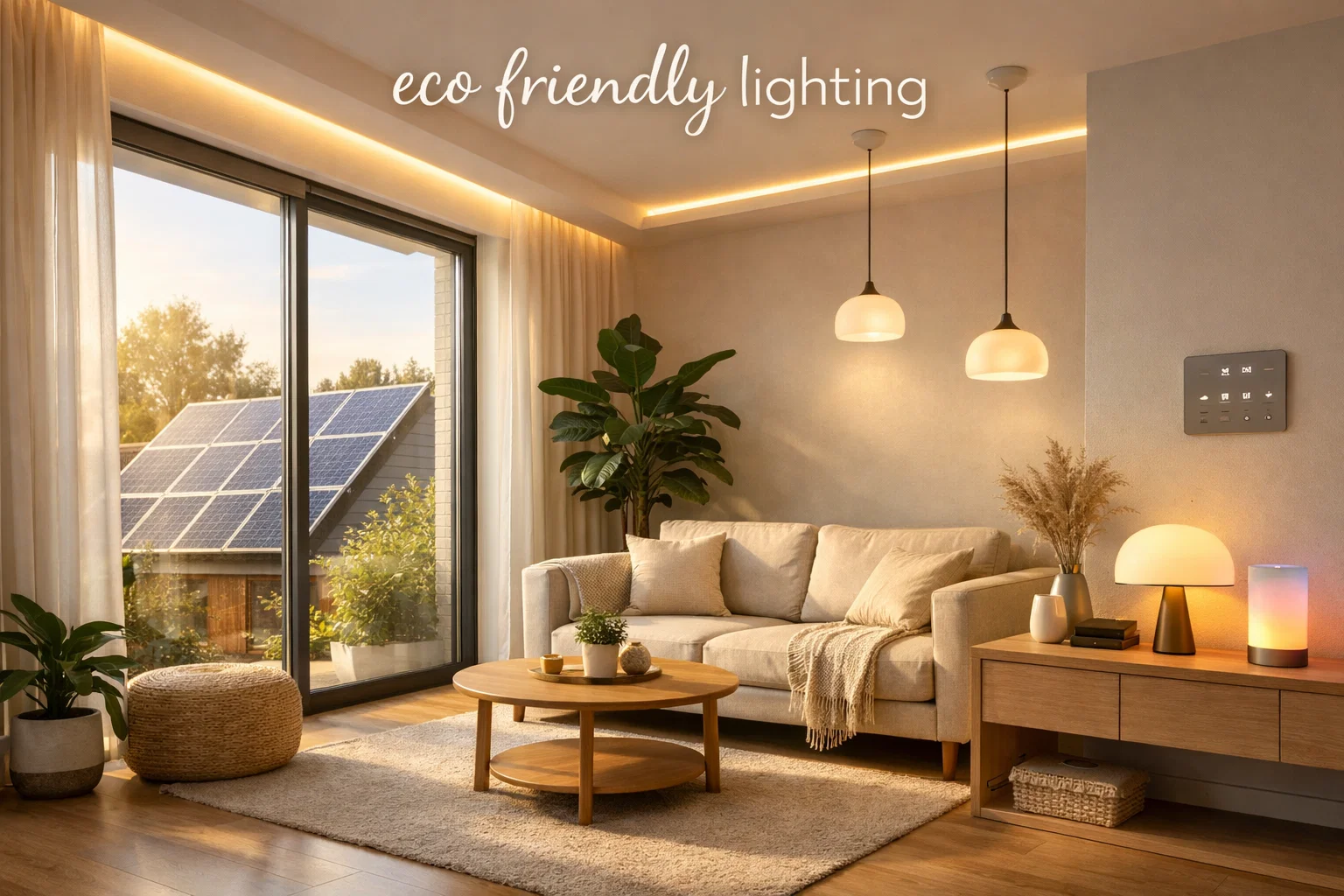
Most small homes today are built around efficiency, but sustainable lighting is often the part people underestimate the most. Good lighting is not just about visibility, it directly affects mood, productivity, comfort, and even long term energy bills. When you start exploring eco friendly lighting, you quickly realise it is less about fancy design and more about smarter everyday choices that quietly improve how a home feels and functions. According to the International Energy Agency, residential lighting still accounts for a significant share of global electricity use, especially in dense urban living spaces, which makes this topic far more important than most people assume.
In modern households, especially compact ones, lighting choices are closely tied to energy efficient home lighting, because every watt saved matters when space and resources are limited. The interesting part is that sustainable lighting for home does not force you to compromise on style or brightness, it actually helps you design spaces that feel more intentional, balanced, and visually comfortable. Many homeowners are now shifting toward green lighting solutions for homes and small apartments, not just to cut electricity costs but also to make their homes feel more open and breathable without physical expansion.
Why sustainable lighting matters more in small homes
In small homes, lighting does a lot more than just help you see where you are going. It quietly shapes how large or small a room feels, how comfortable it is to spend time in, and how functional each corner becomes. Poor lighting can make even a well furnished space feel cramped, while thoughtful lighting can visually stretch walls and improve the overall atmosphere. This is where interior lighting design becomes extremely important because it helps you plan light placement in a way that enhances space perception rather than overwhelming it.
Research from the U.S. Department of Energy highlights that better lighting planning can significantly improve home energy efficiency, especially when paired with modern technology like LEDs and smart controls. In compact homes, every lighting decision influences overall comfort, which is why compact home illumination strategies are becoming more popular among designers who focus on small living environments. When lighting is designed properly, even a studio apartment can feel like a layered, well structured home rather than a single boxed room.
The science behind eco friendly lighting
To understand eco friendly lighting properly, it helps to look at how different lighting systems actually consume energy. Traditional incandescent bulbs waste most of their energy as heat, which is inefficient and costly in the long run. On the other hand, modern LED systems convert most energy directly into light, which is why LED efficiency benefits have become a major reason for their global adoption.
The Environmental Protection Agency supports energy efficient lighting as one of the simplest ways to reduce household emissions, and this is where power consumption reduction becomes a practical outcome rather than just a theoretical concept. Lighting science also includes how light interacts with surfaces, colors, and natural daylight.
Concepts like natural lighting optimization help homeowners reduce artificial lighting needs by using daylight more effectively throughout the day. When combined with modern fixtures, environmentally friendly and sustainable lighting options becomes part of a larger system that supports sustainable home design, rather than just being a standalone upgrade. The goal is not just less electricity usage, but smarter energy behaviour inside the home.
Low energy consumption lighting for different areas of small homes
Every room in a small home behaves differently when it comes to lighting needs, and understanding this difference is key to good design. Living rooms benefit from layered lighting that mixes ceiling lights, lamps, and accent lighting to create depth and flexibility. Kitchens require sharper task based lighting for safety and precision, while bedrooms need softer tones that support relaxation and rest.
This is where task lighting solutions become especially useful because they allow you to focus light exactly where it is needed instead of lighting the entire room unnecessarily. Bedrooms also benefit from softer setups that improve comfort while maintaining ambient lighting control for different moods. In living spaces, decorative lighting is not just about aesthetics, it is also about efficiency when chosen wisely, which is where decorative lighting efficiency becomes relevant in balancing design and consumption.
In compact homes, the challenge is always to avoid over lighting while still ensuring every corner is usable, and this balance is what defines modern eco conscious interiors.
Energy saving LED lighting strategies for modern homes
Modern lighting is no longer just about switching bulbs, it is about building systems that respond intelligently to human behaviour. This is where smart lighting systems play a major role, allowing homeowners to automate brightness, timing, and usage patterns based on daily routines. Instead of keeping lights on all the time, these systems help ensure that energy is only used when needed, which directly improves efficiency. The National
Renewable Energy Laboratory has highlighted how automation can significantly reduce residential electricity consumption when properly configured. In practice, this means lights can dim automatically during daylight hours or turn off when a room is empty. This is closely linked to lighting automation systems, which are becoming more common in both new constructions and home upgrades.
Another important strategy is improving brightness optimization, which ensures that lighting levels are neither too harsh nor too dim, reducing both eye strain and unnecessary energy usage. Together, these systems create a home that feels responsive rather than static, which is exactly what modern sustainable lighting and living is moving toward.
How LED lighting transforms small spaces
LED technology has completely changed how small homes are designed and experienced. Unlike older lighting systems, LEDs are compact, efficient, and flexible, which makes them ideal for tight spaces where every fixture matters. The real advantage is not just energy savings but also design freedom. You can install strip lights under cabinets, recessed ceiling lights, or wall mounted fixtures without cluttering the space.
This is why LED lighting for small spaces has become a standard recommendation for compact living environments. LEDs also support LED efficiency benefits that go beyond energy savings, including longer lifespan and reduced maintenance. When paired with thoughtful design, they contribute to residential energy savings that accumulate significantly over time.
In small homes, even minor improvements in lighting efficiency can have a noticeable impact on monthly utility bills. This makes LEDs one of the most practical and accessible upgrades for anyone trying to create a more sustainable home without major renovations.
Natural light and smart integration
Natural light is one of the most powerful tools in home design, yet it is often underused. Proper use of daylight can dramatically reduce the need for artificial lighting during the day, which directly improves efficiency and comfort. This is where daylight harvesting becomes an important concept, as it focuses on capturing and using natural sunlight as effectively as possible.
Simple design choices like using light coloured walls, mirrors, and open curtains can significantly improve light distribution. Combining this with artificial systems leads to a balanced environment that reduces energy waste while improving mood and productivity.
Smart integration also plays a role here, especially when systems adjust automatically based on available daylight. This blend of natural and artificial lighting supports eco conscious interior design, where sustainability and aesthetics work together rather than competing. The result is a home that feels naturally bright during the day and comfortably lit at night without unnecessary energy use.
Common mistakes in home lighting design
Many homeowners unintentionally reduce lighting efficiency through simple but repeated mistakes. One of the most common issues is overusing overhead lighting, which often leads to excessive energy consumption without improving comfort. Another mistake is ignoring natural daylight, which results in artificial lights being used even when not necessary. Poor fixture placement is another frequent problem, especially in small homes where space planning is critical. These issues directly impact energy efficient home lighting, making homes less efficient than they could be.
Over time, such habits also affect environmentally conscious lighting solutions, because inefficient design leads to higher consumption and reduced environmental benefits. Avoiding these mistakes does not require expensive upgrades, just better awareness and planning. Even small adjustments in placement and usage habits can significantly improve lighting performance.
Cost and environmental benefits of eco conscious home lighting
One of the strongest reasons people switch to sustainable LED lighting systems is long term savings. LED systems consume far less energy than traditional bulbs and last significantly longer, which reduces both electricity bills and replacement costs. This creates consistent residential energy savings that build up over time.
The Energy Saving Trust reports that households can reduce lighting costs significantly by upgrading to efficient systems.
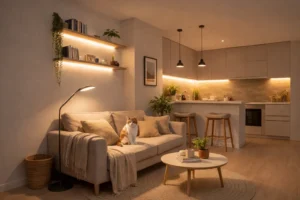
Beyond financial benefits, there is also a clear environmental impact. Lower electricity usage contributes to reduced emissions, which supports global sustainability efforts. This is where carbon footprint reduction becomes a meaningful outcome of everyday lighting choices rather than an abstract concept.
When millions of households adopt efficient lighting, the collective environmental impact becomes substantial. This makes power efficient and sustainable lighting solutions not just a personal benefit but also a shared responsibility.
Smart home technology and lighting control
Smart home systems have made lighting more interactive and efficient than ever before. With mobile apps and voice assistants, users can control brightness, schedules, and even room specific lighting scenes. This level of control supports smart lighting systems that adapt to real life usage patterns rather than fixed schedules. It also helps reduce unnecessary consumption by ensuring lights are only active when needed.
Advanced systems use sensors to detect movement or ambient light levels, contributing to lighting automation systems that operate quietly in the background. This integration improves comfort while maintaining efficiency, especially in small homes where lighting needs change frequently throughout the day.
Over time, this approach leads to better energy awareness and more intentional usage habits.
Designing small homes with sustainable lighting ideas
Design plays a crucial role in how sustainable lighting performs in compact homes. The way furniture is placed, how colors are chosen, and how light sources are distributed all influence brightness and comfort. Using reflective surfaces and lighter tones can significantly improve light spread without adding extra fixtures. These sustainable lighting ideas help create a sense of openness even in limited spaces.
Also Read: 17 smart entryway organization ideas that instantly transform small homes
Good design also reduces reliance on artificial lighting by making better use of natural light sources. This is closely connected to carbon saving lighting solutionsfor modern small apartments, where the goal is to combine efficiency with visual comfort in tight layouts. When sustainable lighting is designed with intention, every fixture serves a purpose, and nothing feels wasted or excessive.
Conclusion
Choosing eco friendly lighting is one of the simplest yet most effective ways to improve small home living. It is not just about reducing electricity bills but about creating spaces that feel more balanced, comfortable, and intelligent. When combined with low energy home lighting systems, smart design, and modern technology, sustainable lighting becomes a powerful tool for shaping better living environments. Over time, these choices support sustainability, reduce environmental impact, and improve daily comfort in meaningful ways. Small homes especially benefit from these upgrades because even minor improvements create noticeable differences in space quality and energy usage.
Sources
International Energy Agency Lighting Overview
U.S. Department of Energy Lighting Guidance
Environmental Protection Agency Green Lighting
National Renewable Energy Laboratory
Energy Saving Trust
FAQs
How does smart lighting systems improve energy efficient lighting solutions in compact homes
Smart lighting systems improve LED energy saving lights by allowing homeowners to control brightness, timing, and usage based on real needs rather than fixed schedules. In compact homes, this helps reduce unnecessary energy consumption while improving comfort. These systems often include sensors and automation features that adjust lighting based on movement or daylight availability. This ensures that lights are only used when required, making the entire home more efficient and responsive to daily routines without sacrificing convenience or visual comfort.
What role does natural lighting optimization play in sustainable lighting ideas
Natural lighting optimization plays a key role in smart sustainable lighting solutions by reducing dependency on artificial lighting during the daytime. It involves using architectural elements like windows, mirrors, and light colored surfaces to maximize daylight distribution. This approach not only improves brightness but also enhances mood and productivity inside the home. In small spaces, it helps create an illusion of openness while lowering electricity usage. Over time, this contributes to both environmental benefits and lower energy bills.
How do LED efficiency benefits support energy efficient home lighting
LED lighting for small spaces support power saving home lighting solutions by offering high brightness with low energy consumption. LEDs convert most of their energy into light rather than heat, which makes them far more efficient than traditional bulbs. They also last longer, reducing maintenance and replacement costs. In small homes, this efficiency is especially valuable because it allows better lighting without increasing energy demand. This combination of performance and savings makes LEDs a foundational part of modern sustainable living.
Why is ambient lighting control important for small home design
Ambient lighting control is important because it helps manage overall room brightness without overwhelming small spaces. It allows homeowners to adjust lighting levels based on activity, mood, or time of day. This flexibility ensures that rooms remain comfortable and visually balanced. In compact homes, where space is limited, controlling ambient lighting helps avoid harsh or uneven illumination. It also contributes to energy efficiency by preventing unnecessary overuse of lights when full brightness is not needed.
How does carbon footprint reduction relate to modern lighting choices
Carbon footprint reduction is directly connected to sustainable lighting choices because electricity consumption contributes to overall greenhouse gas emissions. By using energy efficient systems like LEDs and smart lighting, households reduce the amount of electricity required for daily use. This leads to lower environmental impact over time. When adopted widely, these small changes collectively contribute to significant reductions in global emissions. This makes lighting choices an important part of sustainable lighting and living practices.
What makes eco conscious interior design important in lighting planning
Eco conscious interior design focuses on creating spaces that balance aesthetics, functionality, and environmental responsibility. In lighting planning, it ensures that every light source is intentional and efficient. This approach prioritizes natural light, energy saving fixtures, and smart layouts. It also reduces waste by avoiding unnecessary lighting installations. In small homes, this is especially useful because it maximizes space while maintaining comfort and sustainability in a visually appealing way.
How does brightness optimization improve sustainable home design
Brightness optimization improves sustainable home design by ensuring that lighting levels are appropriate for each space and activity. Instead of using excessive lighting, it balances brightness to reduce energy consumption while maintaining comfort. This approach prevents eye strain and improves overall usability of spaces. In smart homes, sustainable lighting plays a key role in reducing electricity waste while enhancing visual harmony. It ensures that lighting is both functional and efficient throughout the entire home.