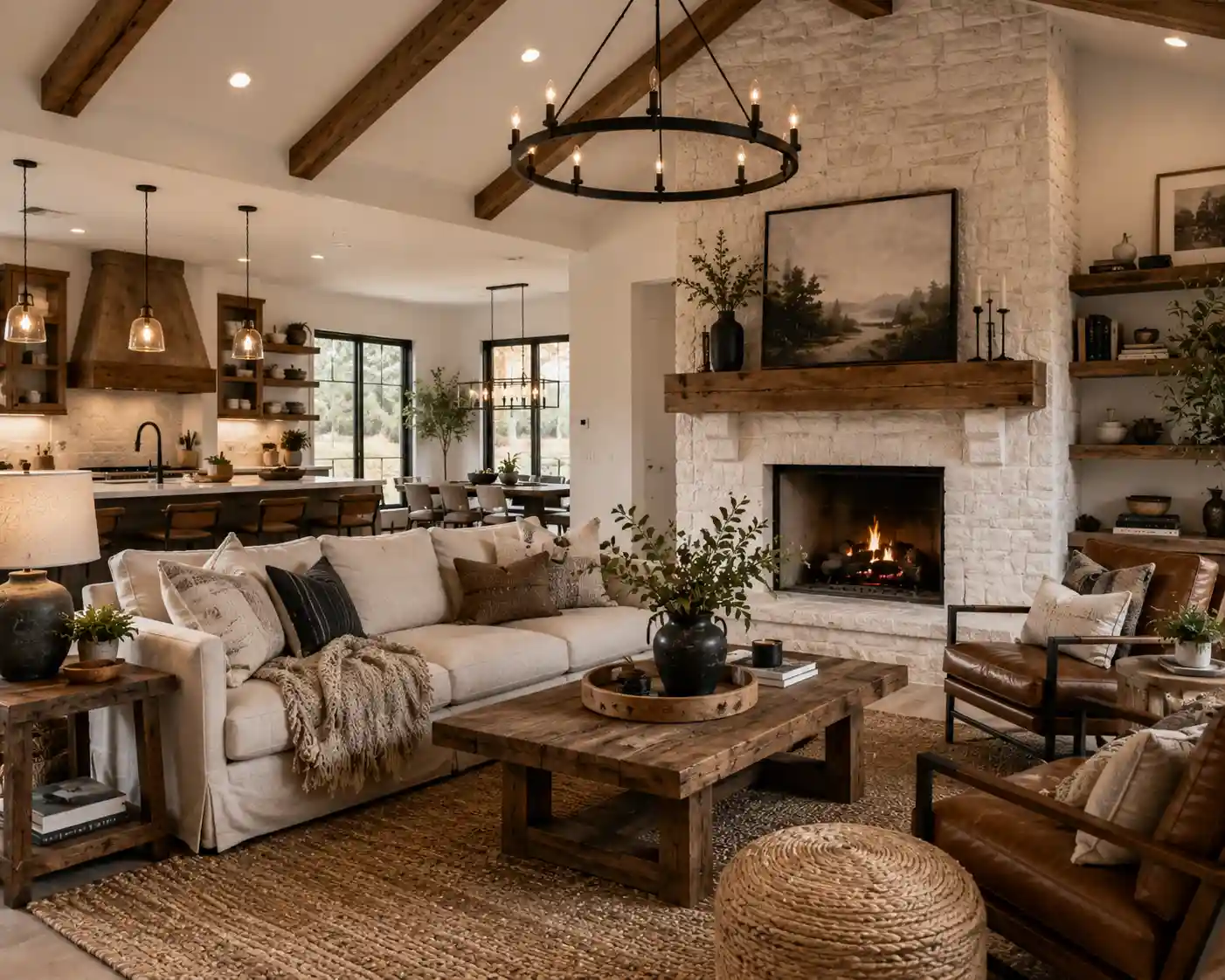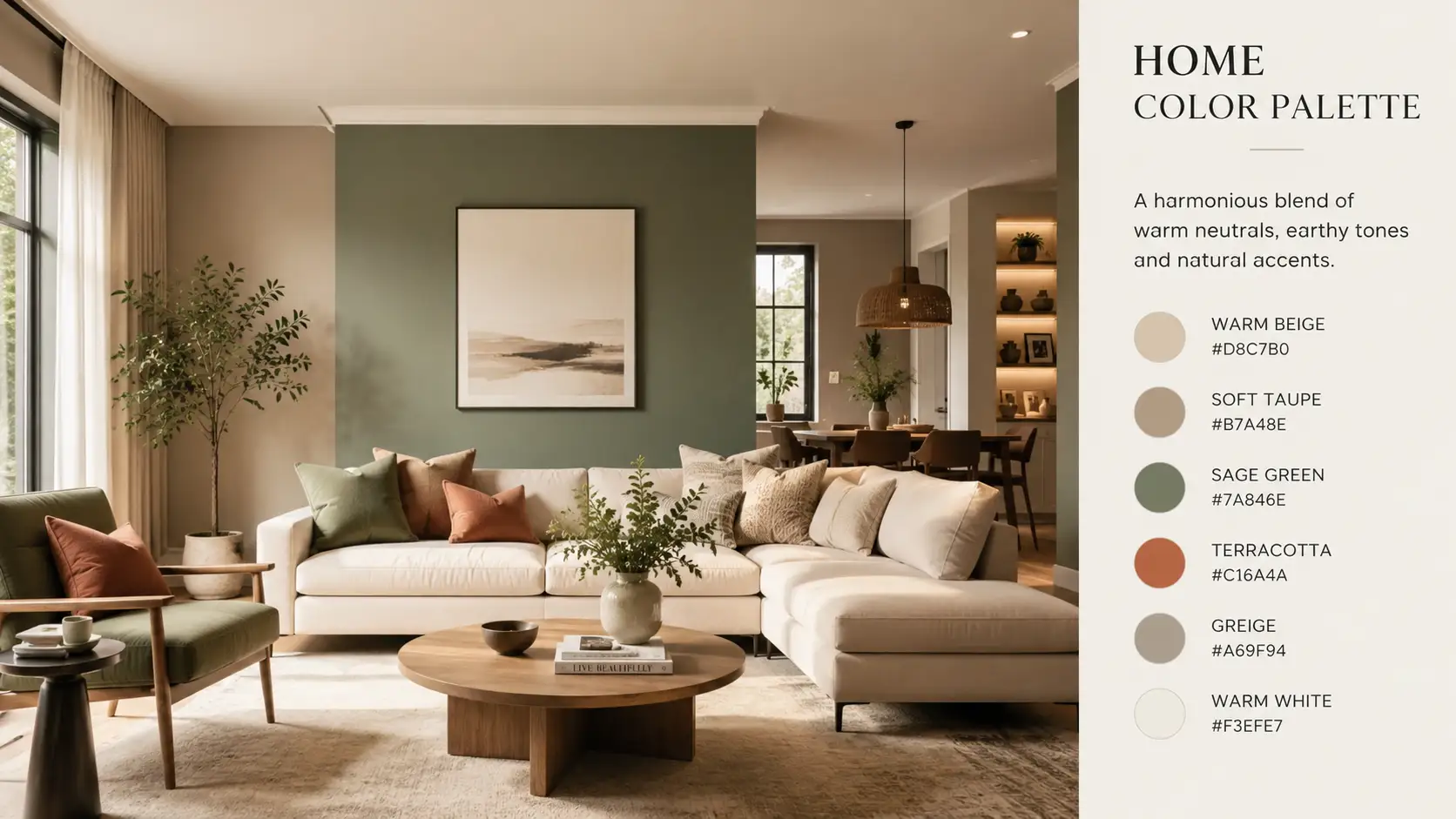
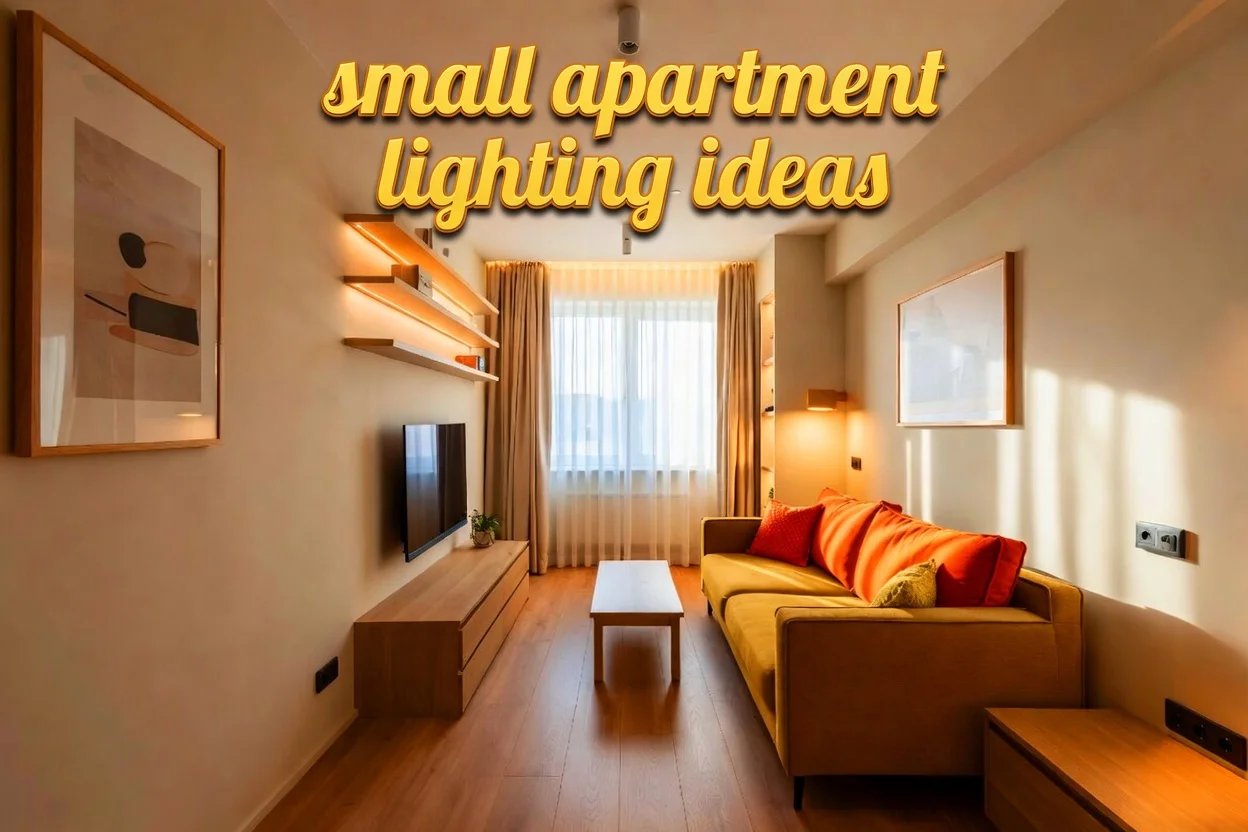
Living in a compact home comes with its own charm, but poor lighting ideas can quickly make even the most stylish space feel cramped and dull. The good news is that with the right approach, lighting can completely change how your home looks and feels. This guide on small apartment lighting ideas is designed to help you create a brighter, more open, and inviting space without expensive renovations.
Whether you are dealing with limited natural light, low ceilings, or awkward layouts, smart lighting choices can improve both functionality and aesthetics. From thoughtful interior lighting design to selecting the right fixtures, each decision shapes your environment in a very real way.
If you are exploring lighting solutions for compact apartments, this guide will give you practical and reliable direction that you can actually apply without feeling overwhelmed. The goal here is not perfection but progress. Even small adjustments can make a visible difference in how your home feels every day.
Why lighting ideas matters more in small homes
Lighting is not just about visibility. It directly affects how spacious, comfortable, and functional a room feels. According to the U.S. Department of Energy, proper lighting ideas improve home illumination and reduces unnecessary energy use in smaller interiors.
In small apartments, shadows can shrink space perception, while poor lighting placement can highlight clutter and create visual imbalance. On the other hand, smart use of light can increase room brightness and create a more balanced environment that feels open and breathable.
This makes it essential to understand the role of lighting before applying any lighting tips for small spaces. When light is used correctly, it does more than brighten a room.
It changes how your brain interprets the space. A well lit corner feels usable, while a dark one feels wasted. This psychological effect is especially important in compact living where every inch matters.
Layer your lighting for depth and balance
One of the most effective strategies is light layering. Instead of relying on a single fixture, combine ambient lighting, task lighting, and accent lighting to create depth and flexibility in your space. Ambient lighting provides overall illumination and sets the base level of brightness. Task lighting focuses on specific activities such as reading, cooking, or working. Accent lighting highlights decor elements and adds character to the room.
According to the Illuminating Engineering Society, layered lighting improves usability and comfort in interior spaces. This method is one of the most practical lighting ideas for compact spaces because it reduces harsh shadows and enhances visual depth without overwhelming the room. When you combine different layers thoughtfully, the room starts to feel more dynamic and less flat. It also gives you flexibility to adjust lighting based on your mood or activity, which is something a single ceiling light can never achieve.
Maximise natural light first
Before adding artificial lights, focus on natural light optimisation. Daylight remains the most effective way to open up small interiors. The Environmental Protection Agency explains that natural light supports wellbeing and reduces reliance on artificial sources. Use sheer curtains instead of heavy ones so that sunlight can pass through easily.
Keep windows clean because even a thin layer of dust can reduce light entry more than you expect. Avoid placing bulky furniture in front of windows as it blocks light flow. Mirrors help with light reflection and distribute sunlight across the room more evenly.
These simple changes are highly effective when learning how to brighten a small apartment without increasing electricity usage. Over time, you will notice that natural light not only improves brightness but also enhances your mood and energy levels throughout the day.
Choose the right bulb temperature
Not all light feels the same. Light temperature determines whether a room feels warm or energising. Warm tones create a relaxed and cosy atmosphere, while cooler tones support focus and clarity. The Energy Star recommends selecting bulbs based on room function.
Bedrooms and living rooms benefit from warm light because it creates a comfortable environment. Kitchens, study areas, and workspaces perform better with cooler tones because they improve visibility and concentration.
Selecting the right tone is essential when planning the best lighting ideas for small rooms, as it directly affects comfort and usability. Many people ignore this detail and end up with spaces that feel either too dull or too harsh. Once you get the balance right, the entire room feels more intentional and easier to live in.
Use mirrors to amplify light
Mirrors are one of the simplest ways to improve brightness without adding new fixtures. They enhance light reflection and make spaces feel larger instantly. Research from the National Institute of Building Sciences highlights how reflective surfaces improve illumination and perceived openness. Placing mirrors opposite windows allows natural light to bounce across the room.
Positioning them near lamps spreads artificial light more effectively. This is a key technique for ways to improve lighting in small homes because it works without increasing energy usage. It is also a very cost effective solution. Even a single well placed mirror can change the entire feel of a room.
Install wall mounted and vertical lighting
Using vertical space is essential in compact living environments. Wall sconces and pendant lights free up floor space while improving overall lighting coverage. These fixtures draw the eye upward and create a sense of height, which enhances space perception naturally. They are especially useful when applying small apartment lighting ideas in rooms with limited floor area.
Instead of crowding the space with lamps, vertical lighting keeps things open and organised. It also adds a design element that makes the room feel more complete. When done right, vertical lighting can make ceilings appear higher and rooms feel more spacious than they actually are.
Avoid heavy and bulky fixtures
Large fixtures can overwhelm a small room and disrupt visual balance. Instead, choose designs that are simple and proportionate to your space.
According to the American Society of Interior Designers, proportion is key in interior styling. Smaller fixtures help maintain openness and improve overall lighting placement without cluttering the room visually.
This is especially important in compact apartments where even a single oversized piece can dominate the entire space. Keeping fixtures minimal allows the light itself to stand out rather than the object producing it.
Use under cabinet and hidden lighting
Hidden LED lighting under cabinets or shelves adds subtle brightness while improving functionality. This type of LED lighting ideas create a soft glow that enhances visual depth and makes the room feel layered without adding clutter. It is particularly useful in kitchens, study areas, and storage zones.
It is also one of the most effective methods for how to make a small apartment brighter while keeping the design clean and minimal. Hidden lighting ideas often go unnoticed, but its impact is very noticeable. It fills gaps that traditional lighting misses and adds a polished finish to the overall space.
Optimise placement for functionality
Small apartment lighting ideas for smarter layouts
Where you place lights matters just as much as the type you choose. Instead of spreading lights evenly across the ceiling, focus on areas where illumination is actually needed. Place task lighting near desks, reading corners, or kitchen counters.
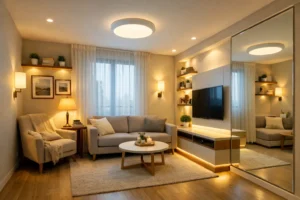
Use accent lighting to highlight artwork or shelves. Ensure ceiling lights provide balanced coverage without creating harsh spots. This thoughtful approach supports both function and aesthetics, aligning with best lighting ideas for small rooms strategies. Good lighting placement ensures that every light serves a purpose. It avoids unnecessary brightness and creates a more comfortable environment overall.
Choose light coloured lampshades and fixtures
Light coloured materials reflect more light and improve distribution. Dark shades tend to absorb light, reducing its effectiveness. Using neutral or white lampshades increases brightness and supports energy efficient lighting by making the most of each light source.
This simple change can significantly improve overall illumination in small apartments. It also blends well with most interior styles, making it a safe and versatile choice. Even a small switch like this can have a noticeable effect on how bright your room feels.
Embrace smart lighting solutions
Smart lighting systems allow you to adjust brightness and tone based on your needs throughout the day. The International Energy Agency notes that smart systems contribute to better energy management and reduced consumption.
For small homes, this means better control without adding extra fixtures, making it one of the most practical lighting ideas and tips for small spaces.
You can dim lights in the evening, brighten them during work hours, or change tones depending on your mood. This flexibility makes your home more adaptable and comfortable without requiring physical changes.
Keep ceilings well lit
Proper ceiling lights help create an open and airy feel. Flush mount or recessed ceiling lights are ideal for small spaces because they provide even illumination without taking up visual space. Well lit ceilings prevent the room from feeling closed in and improve overall home illumination.
Also Read: Eco friendly lighting ideas that transform small homes into brighter, greener, smarter living spaces
This is especially important when considering how to brighten a small apartment effectively. When ceilings are bright, the entire room feels taller and more spacious. It is a simple detail, but it has a strong visual impact.
Highlight corners to reduce shadows
Dark corners can make a room feel smaller than it actually is. Adding a small lamp or spotlight in these areas eliminates shadows and balances light distribution. This technique improves room brightness and enhances the overall look, making it an important part of recommended lighting for small rooms strategies.
Corners are often ignored, but they play a big role in how complete a space feels. Once they are lit properly, the room appears more uniform and visually comfortable.
Conclusion
Smart lighting ideas can completely transform how a small space looks and feels. With the right approach, even the most compact home can feel open, functional, and inviting. These small apartment lighting ideas focus on practical techniques that improve comfort and usability without requiring major changes.
By combining smart design, efficient lighting choices, and thoughtful placement, you can create a space that feels much larger than it actually is. Over time, these improvements also make your daily life easier and more enjoyable.
Sources
U.S. Department of Energy
Illuminating Engineering Society
Environmental Protection Agency
Energy Star
National Institute of Building Sciences
American Society of Interior Designers
International Energy Agency
FAQs
What are the most effective lighting tips for small spaces that improve comfort
A balanced combination of layered lighting, proper fixture positioning, and diffused light sources improves comfort significantly. Many people rely only on one bright source, but that often creates harsh shadows and uneven brightness. Using multiple light layers allows the room to feel softer and more natural. Indirect lighting ideas and techniques such as bouncing light off walls or ceilings also help reduce glare and create a more relaxed atmosphere. This approach not only improves comfort but also makes the space feel visually larger and more welcoming.
How to brighten a small apartment without increasing electricity use
You can improve brightness without adding more lights by focusing on reflection and layout. Rearranging furniture to allow light flow, using mirrors, and switching to lighter fabrics can make a noticeable difference. Clean windows and minimal window coverings allow more natural light to enter. Even wall colours play a role because lighter shades reflect more light. These methods are simple but effective and help maintain energy efficiency while still improving the overall feel of your space.
What is the best lighting for small rooms with limited natural light
In rooms with little or no natural light, layered lighting becomes essential. A combination of ambient, task, and accent lighting helps create depth and prevents the space from feeling flat. Using daylight bulbs can simulate natural light and improve comfort. It is also helpful to place lights at different heights so that illumination spreads evenly. This approach ensures that the room feels balanced and functional even without access to sunlight.
Which smart lighting ideas for small rooms work best for renters
Renters often need flexible solutions that do not require permanent changes. Plug in wall lights, floor lamps, and adhesive LED strips are ideal because they can be installed and removed easily. These options provide enough flexibility to experiment with lighting ideas without damaging the property. Portable lighting ideas also allows you to adjust your setup whenever needed, making it practical for temporary living arrangements.
How to brighten a small apartment with minimal budget
Improving lighting on a budget is very possible with a few smart choices. Start with affordable changes like adding mirrors, switching to brighter bulbs, and using light coloured curtains. Rearranging furniture to improve light flow can also make a big difference. Small upgrades like these do not require much investment but still deliver noticeable results. Over time, you can gradually add more elements as needed.
What are the best lighting ideas for small rooms used for work
Workspaces need focused and consistent lighting ideas to reduce eye strain and improve productivity. Cool white light is usually the best choice because it enhances clarity and focus. Adjustable desk lamps are useful because they allow you to control the direction of light. It is also important to avoid placing lights directly behind screens, as this can create glare. A well lit workspace supports both efficiency and comfort throughout the day.
Which creative lighting ideas for tiny spaces help create a relaxing atmosphere
Creating a relaxing environment depends on soft and balanced lighting. Warm tones, diffused light, and multiple light sources work together to create a calm setting. Avoid harsh overhead lights and instead use lamps or indirect lighting methods. Dimming options also help adjust brightness based on your mood. These small changes can transform your space into a comfortable place where you can unwind after a long day.