Indoor gardening has become more popular as people search for affordable and sustainable ways to decorate their homes. One of the easiest ways to start is by creating DIY planters from objects already sitting around the house. Old kitchen containers, glass jars, worn baskets, and unused storage items can all become attractive homes for plants with a little creativity. These projects reduce waste, save money, and add personality to indoor spaces without requiring advanced crafting skills.
Many people choose homemade plant pots because they combine creativity with sustainability. According to the United States Environmental Protection Agency, reusing household materials helps reduce landfill waste and supports environmentally responsible habits. Repurposing containers into plant holders also encourages mindful consumption and gives forgotten objects a second life. From compact apartments to larger homes, handmade plant containers can fit almost any decorating style.
Many homeowners are now exploring creative homemade plant containers as part of broader eco friendly indoor gardening ideas that combine sustainability with affordable interior decoration.
This guide explores practical and attractive ideas for DIY planters using household items, along with expert tips on drainage, plant safety, and long term maintenance. You will also discover how upcycled household planters can improve indoor aesthetics while supporting sustainable living practices.
Why homemade planters are growing in popularity
Indoor plants already provide several benefits for living spaces. Research published by universities and environmental studies has shown that indoor greenery may improve mood, increase visual comfort, and create a calming atmosphere. When combined with handmade containers, plants also become decorative conversation pieces.
People are increasingly interested in recycled home item plant pots because they offer flexibility and affordability. Instead of purchasing expensive decorative pots, homeowners can reuse everyday objects while expressing personal style. This approach also supports the growing interest in eco conscious home decoration.
These indoor gardening projects also appeal to people interested in sustainable home decor because they transform ordinary objects into artistic decorative plant displays.
Another reason these projects attract attention is accessibility. Most DIY planter projects require minimal tools, basic cleaning supplies, and simple materials found around the home. Even beginners can create visually appealing plant displays in a short amount of time.
Choosing the right household items for planters
Before turning any object into a planter, it is important to evaluate whether it can safely support plant growth. Some materials hold moisture well, while others may rust, crack, or leak.
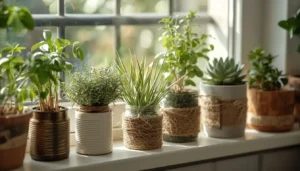
Selecting reusable containers for container gardening can reduce unnecessary waste while helping homeowners experiment with practical and stylish homemade plant pots.
Best materials for homemade plant containers
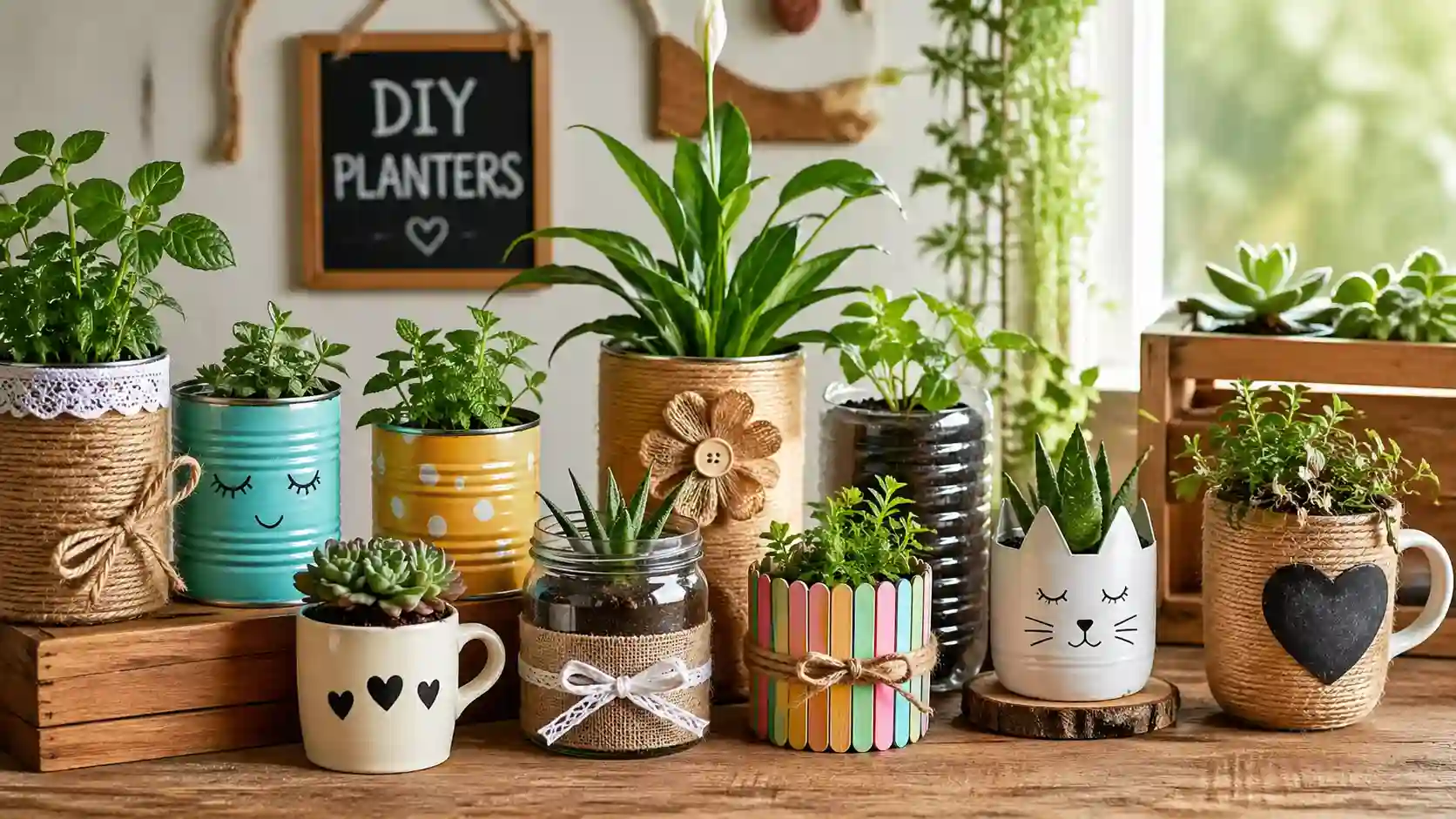
Glass containers work well for herbs and water propagated plants because they allow visibility of root growth. Ceramic bowls and mugs retain moisture effectively and often add decorative appeal. Wooden crates create rustic displays but usually need protective lining to prevent water damage.
Metal tins can become stylish containers for succulents, although they require drainage holes to avoid root rot. Plastic storage bins are lightweight and practical for larger indoor plants. Wicker baskets work beautifully as outer decorative covers when paired with waterproof liners.
Repurposed containers made from ceramic, glass, and untreated wood are especially popular for eco friendly decorating because they combine durability with visual appeal.
Important drainage considerations
Proper drainage is essential for healthy plants. According to horticulture experts from university extension programs, excess moisture around roots can encourage fungal growth and root decay. Most homemade planters should include drainage holes or a layer of stones beneath the soil.
If drilling holes is impossible, consider using a nursery pot inside the decorative container. This allows excess water to drain separately while preserving the appearance of the planter.
Creative kitchen item planter ideas
The kitchen often contains forgotten objects perfect for indoor gardening projects.
Many people use these ideas to create a compact indoor herb garden that fits easily on kitchen counters or sunny windowsills.
Teacups and mugs
Vintage teacups and unused coffee mugs create charming containers for succulents and small cacti. Their compact size makes them ideal for desks, shelves, and windowsills. Add pebbles at the bottom before placing soil to improve drainage.
Colanders turned hanging gardens
Old metal colanders already contain drainage holes, making them excellent hanging planters. Their open structure also improves airflow around roots. Hanging herbs in colanders near sunny windows creates both decoration and convenience for cooking.
These hanging planters work particularly well in small apartment gardening setups where floor space remains limited.
Mason jars for herb gardens
Glass jars work especially well for growing herbs indoors. Basil, mint, and parsley thrive in bright areas with proper watering. Clear containers also allow easy monitoring of soil moisture and root health.
Glass jars are also useful for plant propagation because transparent surfaces allow gardeners to monitor root development closely.
These types of DIY planters using household items combine practicality with rustic visual appeal while keeping unused kitchenware out of storage boxes.
Living room planter transformations
Decorative planters can dramatically change the atmosphere of a living room.
Combining indoor greenery with rustic home decor elements such as woven baskets and wooden crates creates a warm and inviting atmosphere.
Old books as hidden planters
Large hardcover books can become artistic succulent holders. By carving out the center pages and inserting a waterproof liner, you create a dramatic decorative feature that blends literature with greenery.
Basket planters for natural textures
Unused woven baskets make excellent decorative covers for plant pots. They soften modern interiors and add warmth through natural textures. Pairing baskets with trailing plants creates a relaxed organic appearance.
These basket based displays support natural home styling by blending soft organic textures with vibrant plants.
Tin can plant displays
Painted food cans can become colorful indoor herb or flower holders. Acrylic paint and simple patterns can transform plain containers into eye catching decorative pieces.
Painted tins are commonly used as succulent containers because they are compact, lightweight, and easy to customize.
Many upcycled indoor planter ideas work particularly well in small apartments because they save space while adding greenery to compact interiors.
Bathroom planter ideas from recycled items
Bathrooms often provide excellent humidity for tropical plants. Repurposed objects can help create relaxing spa like environments.
These compact planters help introduce indoor greenery into spaces that often benefit from humidity loving plants.
Shampoo bottle hanging planters
Clean plastic shampoo bottles can become vertical hanging planters for lightweight plants. Cutting decorative shapes into the bottles adds visual interest while supporting sustainable reuse practices.
Glass bottle propagation stations
Narrow neck bottles hold plant cuttings beautifully during water propagation. Pothos and philodendron cuttings often root successfully in water filled glass bottles placed near indirect light.
Soap dishes for mini succulents
Unused ceramic soap dishes can hold tiny succulents or air plants. These compact arrangements work well beside mirrors and bathroom shelves.
Outdoor and balcony planter projects
Even small balconies can support creative planter arrangements.
DIY planters for balcony gardens
Balcony gardening benefits greatly from lightweight and space saving containers. Hanging shoe organizers can hold herbs and flowers vertically, making them ideal for limited outdoor spaces. Old buckets also work well for larger plants when fitted with drainage holes.
Wooden drawers create layered balcony gardens that feel organized and decorative. Stacking drawers at different angles produces visual depth while maximizing growing space.
Many balcony garden ideas focus on vertical gardening techniques that maximize limited outdoor areas while keeping plants organized and visually balanced.
These DIY planters allow apartment residents to enjoy gardening without requiring large outdoor areas.
Safe painting and decorating tips
Decorating planters adds personality, but safety matters when working with plants.
Use non toxic paints whenever possible, especially for edible plants like herbs. Allow painted containers to dry completely before adding soil. Avoid chemically treated wood for vegetable gardening because harmful substances may leach into the soil.
Natural decoration methods such as rope wrapping, fabric covering, or mosaic designs can also personalize containers without introducing harmful chemicals.
Best plants for recycled containers
Not every plant thrives in small or unconventional containers. Choosing the right species improves long term success.
Choosing the right species remains essential for successful container gardening and long term plant health.
Succulents and cacti
Succulents adapt well to shallow containers because they require less water. They work beautifully in teacups, cans, and decorative bowls.
Herbs
Mint, basil, thyme, and parsley often grow successfully in reused kitchen containers placed near sunny windows.
Trailing indoor plants
Pothos, ivy, and string of pearls plants suit hanging containers and basket displays because their vines create dramatic cascading effects.
Many recycled household item planters perform best with low maintenance plants that tolerate changing moisture levels.
Common mistakes to avoid
Beginners sometimes overlook important plant care details while focusing on decoration.
Overwatering remains one of the most common issues in homemade containers without drainage. Using overly small containers can also restrict root development. Another mistake involves placing plants in poor lighting conditions unsuitable for their growth needs.
Cleaning reused containers thoroughly before planting is also essential. Old food residue or chemicals may damage plant health over time.
Environmental benefits of repurposed planters
Reusing containers supports broader environmental goals by reducing waste and extending product life cycles. Environmental agencies consistently encourage material reuse as part of sustainable household habits.
Creating planters from existing household objects also reduces demand for newly manufactured decorative products. This lowers material consumption and decreases unnecessary packaging waste.
People interested in sustainable living often explore upcycled indoor planter ideas because they combine environmental awareness with practical home decoration.
Budget friendly decorating with plants
Decorative indoor gardening does not need to be expensive. Repurposed containers allow homeowners to experiment with plant styling at minimal cost.
Grouping containers of different heights creates visual balance. Combining textures such as glass, wood, ceramic, and woven materials adds depth to indoor displays. Even simple arrangements can look professionally styled when placed thoughtfully.
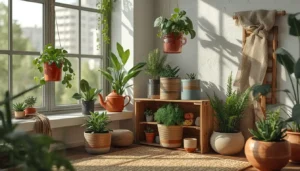
These arrangements support eco friendly decorating by reducing dependence on expensive store bought decor items.
Using DIY plant pots from household materials also allows frequent seasonal changes without major spending. Containers can be repainted or rearranged to match different interior themes throughout the year.
How to maintain homemade planters
Long lasting planters require regular care beyond watering plants.
Check containers periodically for mold, rust, or water damage. Wooden containers may need resealing over time. Metal containers should remain dry externally to reduce corrosion risk.
Regular plant care tips such as checking drainage, cleaning containers, and rotating plants toward sunlight can significantly improve plant longevity.
Cleaning decorative surfaces occasionally also prevents dust buildup that can dull the appearance of indoor displays. Rotating plants toward sunlight helps maintain balanced growth and prevents leaning.
With proper maintenance, handmade containers can remain functional and attractive for years.
Conclusion
Creative indoor gardening does not require expensive pots or professional design skills. DIY planters offer an affordable and environmentally responsible way to bring greenery into living spaces while giving unused household objects a meaningful purpose. From vintage teacups and baskets to glass jars and old drawers, everyday materials can become beautiful plant displays with a little imagination.
As interest in sustainability continues to grow, more people are exploring recycled household item planters and practical ways to reduce waste at home. These projects combine creativity, affordability, and environmental awareness in a way that feels both rewarding and functional.
Also Read: 17 clever hallway storage ideas that make narrow corridors feel bigger and calmer
From repurposed containers to creative homemade plant containers designed for herbs and succulents, these projects encourage sustainable living habits while making indoor spaces feel more vibrant and personal.
Whether you live in a compact apartment or a larger home, handmade planters can help transform ordinary spaces into vibrant indoor gardens filled with personality and natural beauty.
Sources and section mapping
- United States Environmental Protection Agency
- University of Minnesota Extension
- Royal Horticultural Society
- National Gardening Association
- Cornell University Gardening Resources
FAQs
How can recycled household item planters improve small apartment spaces?
Reused household container planters are especially useful for small apartment gardening because they help maximize vertical and unused spaces creatively. People can transform repurposed containers like hanging baskets, wall mounted jars, and stacked crates into decorative plant displays that do not consume valuable floor space. Many renters also prefer reusable containers because they are lightweight and easy to move around when rearranging furniture or improving sunlight exposure. Combining indoor greenery with vertical gardening techniques creates a fresher atmosphere while supporting sustainable home decor without requiring expensive decorative products.
What are the safest materials for upcycled indoor planter ideas?
Safe materials for creative indoor plant container ideas usually include glass jars, ceramic bowls, untreated wood, and food safe reusable containers. These materials generally work well for container gardening because they hold soil securely without releasing harmful chemicals. People creating indoor herb garden setups should avoid heavily treated wood or containers previously used for toxic substances. Adding waterproof liners and proper drainage also improves safety for plants. Many eco friendly indoor gardening ideas focus on selecting durable materials that support long term plant health while encouraging sustainable living habits indoors.
Why do some DIY planters using household items develop mold?
Many DIY indoor planters from reused items develop mold because excess moisture becomes trapped inside containers without proper drainage or airflow. Homemade plant pots made from sealed jars or metal cans can hold too much water around roots, encouraging fungal growth. Plant care tips from horticulture experts often recommend adding drainage layers with pebbles or using inner nursery pots inside decorative containers. Good airflow, balanced watering habits, and indirect sunlight also help prevent mold buildup. Proper maintenance is essential for keeping indoor gardening projects healthy and visually appealing over time.
Which plants grow best in sustainable household planters?
Several plants thrive in DIY recycled material planters because they adapt well to compact spaces and varying moisture conditions. Succulents are especially popular for succulent containers because they require little water and fit easily into cups, tins, or bowls. Herbs like basil, mint, and parsley also grow successfully in indoor herb garden arrangements using repurposed containers placed near bright windows. Trailing plants such as pothos work beautifully in hanging planters and create soft natural home styling effects that enhance indoor greenery throughout living spaces.
Can DIY indoor planter projects support edible herbs safely?
Yes, many handmade indoor planter ideas can safely support edible herbs when clean and non toxic materials are used properly. Glass jars, ceramic dishes, and untreated wooden boxes are commonly used for indoor herb garden setups because they hold soil effectively and suit small spaces. Good drainage remains important for healthy root growth, especially in homemade plant pots without built in holes. Many people also combine eco friendly decorating methods with kitchen herb gardens to create practical and visually attractive sustainable home decor for apartments and smaller homes.
How do easy homemade planters from daily items help reduce waste?
DIY eco planters from home waste items help reduce waste by giving forgotten objects a second purpose instead of sending them to landfills. Turning old jars, baskets, and storage tins into decorative plant displays supports sustainable living habits and encourages more mindful consumption practices. Many eco friendly indoor gardening ideas focus on reusing materials already available at home, which reduces demand for newly manufactured products and unnecessary packaging waste. These indoor gardening projects also inspire creativity while promoting environmentally responsible habits that align with sustainable home decor trends.
What makes creative recycled plant containers visually attractive?
Recycled indoor plant pots stand out visually because they combine creativity, texture, and personality in ways mass produced pots often cannot. Mixing rustic home decor elements like woven baskets, wooden crates, and painted tins creates depth and warmth in indoor spaces. Decorative plant displays become even more attractive when paired with indoor greenery and carefully arranged balcony garden ideas for layered visual balance. Many people also enjoy customizing repurposed containers with natural fabrics, paint, or rope accents to support eco friendly decorating while expressing their personal style.