Decorating a home often feels like a choice between beauty and affordability. Social media feeds show perfectly styled spaces that seem expensive, effortless, and far removed from everyday reality. In truth, most well-designed homes are built slowly, thoughtfully, and with financial constraints in mind. Affordable home decor ideas exist because creativity usually matters more than cost.
This article focuses on what genuinely works when money is tight. No exaggerated transformations. No unrealistic shopping lists. Just practical, research supported, and experience tested ways to improve your living space without straining your finances. The goal is not perfection but comfort, function, and long term satisfaction.
Why cheap decor often fails and what actually works
Many low cost decor attempts fail because they focus on copying trends rather than understanding space. Research from environmental psychology shows that people feel more comfortable in rooms that reflect personal identity and balance, not trends alone. Buying random items simply because they are inexpensive often leads to clutter rather than improvement.
What works instead is intention. Thoughtful placement, consistent colour choices, and small upgrades that solve real problems deliver better results than decorative excess. Cheap home decorating tips succeed when they improve daily living, not just appearance.
Understanding how the brain perceives a well decorated space
Studies from academic design and architecture departments show that the human brain responds strongly to proportion, light, and order. A room with fewer objects, better spacing, and improved lighting often feels more expensive than one filled with decor.
This explains why many budget friendly home decor hacks focus on decluttering, rearranging furniture, and adjusting lighting before buying anything new. These changes cost little or nothing yet have a measurable impact on comfort and perception.
Rearranging furniture is the most overlooked decor upgrade
Furniture placement shapes how a room functions. Poor layouts waste space and create visual noise. Research published by design institutes highlights that open pathways and clear focal points reduce stress and improve room usability.
Before spending money, move existing furniture. Create walking space. Angle seating toward natural light. Float furniture away from walls when possible. These changes make rooms feel intentional and balanced, proving that inexpensive decor ideas for home often start with what you already own.
Paint remains the most cost effective transformation tool
Paint consistently ranks as one of the highest return home improvement investments, according to housing and urban development research. A single wall in a lighter or warmer shade can change how large or welcoming a room feels.
Neutral colours reflect light and help spaces feel calm. Accent walls add depth without overwhelming a room. The key is restraint. One thoughtful paint choice works better than multiple bold colours fighting for attention.
Lighting upgrades that cost less than replacing furniture
Lighting directly affects mood, productivity, and perceived cleanliness. Studies from occupational health research confirm that layered lighting improves comfort and visual clarity.
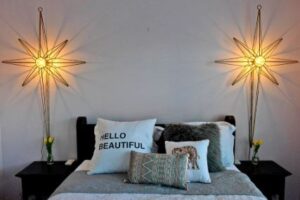
Instead of expensive fixtures, focus on bulbs with warmer tones, floor lamps placed near seating, and task lighting where needed. Even small changes like removing harsh overhead bulbs can dramatically improve a room’s atmosphere. These budget friendly home decor hacks deliver real comfort benefits alongside visual appeal.
Textiles quietly define how a home feels
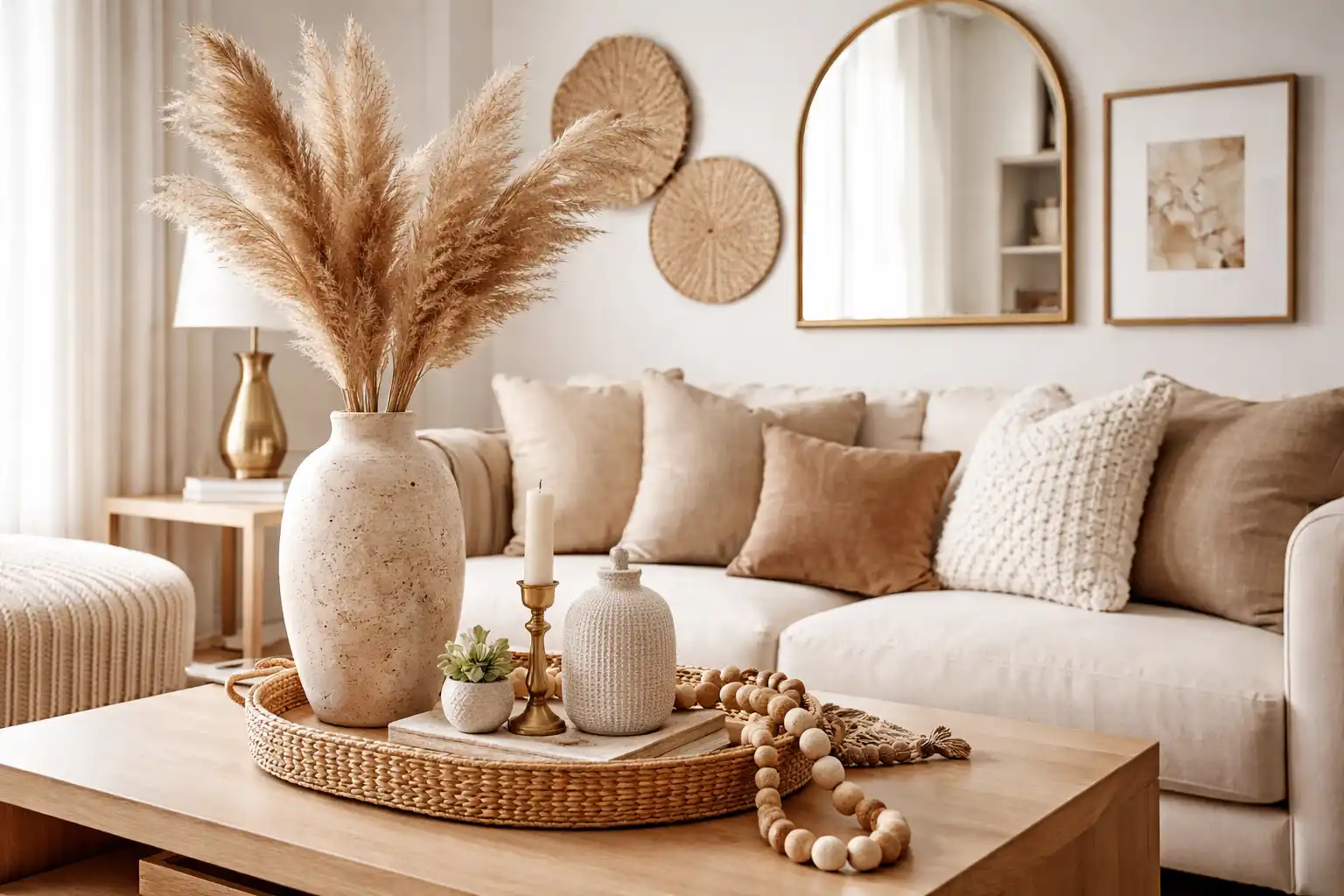
Soft furnishings absorb sound, add warmth, and introduce texture. According to interior design research, rooms with layered textiles feel more comfortable and lived in.
Cushion covers, throws, and rugs allow flexibility. Changing covers costs far less than replacing furniture. Natural fabrics also improve tactile comfort. DIY home decor on a budget often relies on sewing simple covers or repurposing existing fabric to refresh a space without major expense.
Using mirrors strategically instead of decor overload
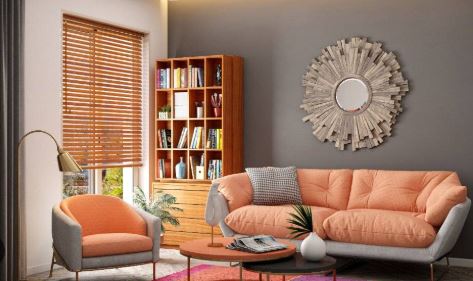
Mirrors increase perceived space and brightness by reflecting light. Architectural studies confirm their effectiveness in small or dark rooms.
Place mirrors opposite windows or light sources. Avoid overdecorating the same wall. One well placed mirror works better than several small decorative items. This approach aligns with Affordable home decor ideas that prioritise impact over quantity.
Open shelving as both storage and decor
Open shelves reduce visual weight compared to bulky cabinets. Research on spatial perception shows that visible storage encourages organisation and reduces clutter buildup.
Use shelves to display functional items such as books, plants, or everyday ceramics. Keep spacing consistent and colours cohesive. This method combines practicality with aesthetics, making it one of the most reliable cheap home decorating tips.
Plants improve comfort without feeling decorative
Studies from environmental psychology and public health show that indoor plants improve perceived air quality, reduce stress, and enhance focus. Plants serve both functional and visual roles.
Low care plants such as pothos or snake plants thrive indoors with minimal effort. Their organic shapes soften hard surfaces and add life to neutral rooms. This is why many inexpensive decor ideas for home include greenery as a core element rather than an accessory.
Repurposing everyday items for visual interest
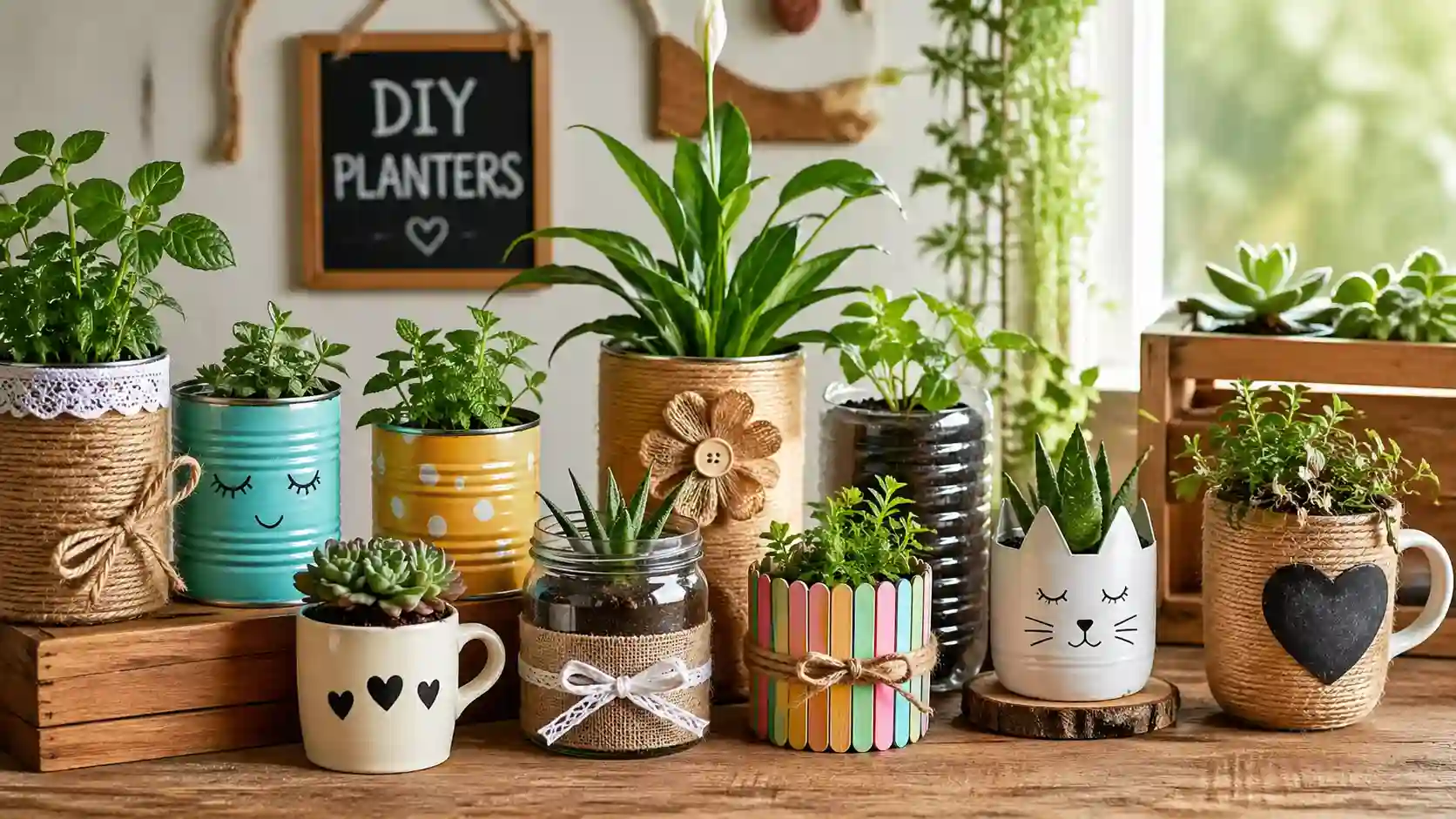
Repurposing aligns with sustainability research that encourages extending product life. Glass jars become storage. Wooden crates become side tables. Old ladders become shelving.
These ideas work because they introduce uniqueness. Homes feel richer when they reflect creativity rather than consumption. DIY home decor on a budget thrives on repurposing because it values function and story over cost.
Wall decor that does not require buying art
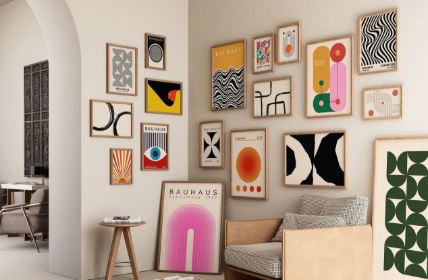
Blank walls feel unfinished, but filling them does not require expensive artwork. Academic studies on personal environments show that meaningful items increase satisfaction more than decorative purchases.
Frame postcards, personal photographs, or pages from old books. Create simple grid layouts for consistency. These displays cost little and create emotional connection, which contributes more to comfort than generic decor.
Curtains and window treatments that change everything
Window treatments control light, privacy, and temperature. Research from building science shows that curtains influence thermal comfort and energy efficiency.
Hanging curtains closer to the ceiling makes rooms appear taller. Choosing light fabrics allows natural light while maintaining privacy. This upgrade often costs less than furniture yet dramatically improves how a room feels.
The psychology of colour coordination
Colour harmony reduces visual stress. Studies in colour psychology confirm that limited palettes create calm environments.
Choose one primary colour, one neutral, and one accent. Repeat them throughout the room. This consistency makes even inexpensive items feel intentional and cohesive. Budget friendly home decor hacks succeed when colour choices stay disciplined.
Small upgrades that improve daily function
Replacing cabinet handles, adding hooks, or organising entryways improves daily routines. Environmental behaviour research shows that functional improvements increase long term satisfaction more than decorative ones.
These upgrades often cost very little but reduce friction in daily life. When a home functions better, it feels better. This principle underpins many Affordable home decor ideas that prioritise use over appearance.
Why patience saves more money than shortcuts
Rushed decorating leads to regret purchases. Consumer behaviour studies show that people spend more correcting mistakes than waiting to buy intentionally.
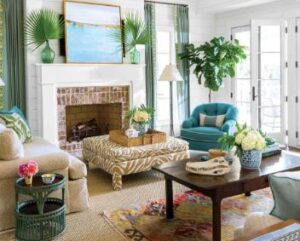
Living in a space before decorating reveals real needs. Patience allows better decisions and prevents waste. The most effective inexpensive decor ideas for home evolve slowly rather than appearing overnight.
Sustainable decorating benefits both wallet and home
Sustainability research highlights the financial benefits of reuse, repair, and mindful consumption. Choosing durability over trends reduces replacement costs.
Also Read: Entryway decor ideas for small spaces that make a strong first impression
Decorating sustainably aligns with budget constraints while creating spaces that age gracefully. This approach transforms DIY home decor on a budget into a long term lifestyle rather than a temporary fix.
Conclusion
A well designed home does not depend on spending more. Affordable home decor ideas work because they focus on comfort, function, and intention rather than trends. Rearranging, repainting, improving lighting, and choosing meaningful details consistently outperform impulse purchases. When decorating decisions respect both space and budget, homes become places of ease rather than stress. Good design is not about how much you spend, but how thoughtfully you choose.
Sources
United States Environmental Protection Agency
National Endowment for the Arts
Harvard T H Chan School of Public Health
National Center for Biotechnology Information
United States Department of Housing and Urban Development
Frequently asked questions
What cheap home decorating tips make the biggest visual difference
The most effective cheap home decorating tips focus on layout, lighting, and colour consistency. Rearranging furniture to improve flow costs nothing and instantly changes how a room feels. Adjusting lighting with warmer bulbs and layered light sources improves comfort and mood. Choosing a limited colour palette helps inexpensive items look intentional rather than mismatched. These changes address how the brain processes space, which is why they often outperform decorative purchases in visual impact.
Are budget friendly home decor hacks suitable for renters
Budget friendly home decor hacks work particularly well for renters because they rely on reversible changes. Removable hooks, peel off wallpaper, fabric upgrades, and furniture rearrangement improve comfort without permanent alteration. Research on rental housing satisfaction shows that personalisation improves wellbeing even when structural changes are limited. Focusing on portable decor ensures that investments move with you, protecting both budget and flexibility over time.
How can DIY home decor on a budget look professional
DIY home decor on a budget looks professional when projects remain simple and consistent. Studies on visual perception show that symmetry and repetition matter more than complexity. Choosing one material or colour and repeating it creates cohesion. Clean finishes and proper measurements prevent projects from appearing unfinished. The goal is not complexity but clarity, which aligns with how professionally designed spaces are perceived.
Which inexpensive decor ideas for home improve comfort the most
Inexpensive decor ideas for home that improve comfort include textiles, lighting, and organisation. Rugs and curtains soften sound and regulate temperature. Proper lighting reduces eye strain and improves mood. Organised storage reduces daily stress. Research from environmental psychology confirms that comfort improvements influence satisfaction more than decorative details. These upgrades support both physical and mental wellbeing without high cost.
How do budget friendly home decor hacks affect mental wellbeing
Budget friendly home decor hacks positively influence mental wellbeing by increasing control over personal space. Studies show that organised, personalised environments reduce stress and improve focus. Small upgrades signal care and intention, which supports emotional comfort. When people feel comfortable at home, they experience improved rest and productivity. This explains why thoughtful, low cost changes often deliver lasting emotional benefits.
Is DIY home decor on a budget environmentally responsible
DIY home decor on a budget often aligns with sustainability research that encourages reuse and reduced consumption. Repurposing materials extends product life and reduces waste. Choosing durable materials over trend driven purchases lowers environmental impact. These practices benefit both finances and environmental responsibility, making budget decorating a sustainable long term strategy rather than a compromise.
Why do inexpensive decor ideas for home sometimes feel more personal
Inexpensive decor ideas for home often involve personal items, repurposed materials, or handmade elements. Research on personal environments shows that meaningful objects increase emotional connection. Homes feel more authentic when they reflect individual stories rather than mass produced trends. This personalisation creates comfort that cannot be bought, which is why lower cost decor often feels warmer and more genuine.